# Musculus trapezius (xlas)

<details id="bkmrk-this-line-will-be-vi"><summary>Preview:</summary>

simple/clean drawings; arm movements included; lots of additional info (+latin names)

</details>*Synonyms: Traps; Trapezius muscle; Trapezius; Neck muscle*

---

### **Summary**

The *Musculus trapezius* is the **biggest neck muscle** (surface area) we have and very relevant in several **head and arm movements**. Its name giving shape, the trapezoid, significantly shapes the upper back, especially around the neck and the shoulder blades (*scapulae*). There are **3 parts** to the trapezius (top part, middle part, bottom part) and each one pulls in a slightly different direction.

#### **Basics**

[![visual intro.jpg](https://www.anatomyarchive.org/uploads/images/gallery/2025-04/visual-intro.jpg)](https://www.anatomyarchive.org/uploads/images/gallery/2025-04/visual-intro.jpg)l*eft: general view (white parts = tendons); right: the 3 parts of the muscle + pull direction*

[![trapezoid shape both.jpg](https://www.anatomyarchive.org/uploads/images/gallery/2025-04/trapezoid-shape-both.jpg)](https://www.anatomyarchive.org/uploads/images/gallery/2025-04/trapezoid-shape-both.jpg)two *ways of interpreting the name: **1.** muscle shape, viewed from the back; **2.** front view: trapezius muscle and clavicles form a trapezoid*

#### **Origin**

- **Occipital bone** (*Os occipitale;* lower back of the skull)
- **Cervical vertebrae** (spine, neck part)
- Down to the 12th **thoracic vertebra** (spine, chest part)

Originating from a vertebra means the tendons connect to the **spinous process** (little bumps you can feel on your spine) of each vertebra.

#### **Insertion**

- **Spine of the shoulder blade** (*Spina scapula*)
- **Acromion** (*Pars transversa*) = highest part of the shoulder blade
- **Clavicle** (clavicula)

[![origin and insertion.jpg](https://www.anatomyarchive.org/uploads/images/gallery/2025-04/scaled-1680-/origin-and-insertion.jpg)](https://www.anatomyarchive.org/uploads/images/gallery/2025-04/origin-and-insertion.jpg)*origin and insertion; back and front view*

#### **Functions**

- **Top part:**
    - Lifting the shoulder
    - Twisting the shoulder blade (*scapula*)
    - Tilting and turning the head, also leaning the head backwards
- **Middle part:** 
    - Pulling the shoulder back
    - Twisting the shoulder blade (*scapula*)
- **Bottom part:**
    - Pulling the shoulder/shoulder blade (*scapula*) down

#### **How to draw the muscle**

[![viewpoints red.jpg](https://www.anatomyarchive.org/uploads/images/gallery/2025-04/scaled-1680-/viewpoints-red.jpg)](https://www.anatomyarchive.org/uploads/images/gallery/2025-04/viewpoints-red.jpg)*muscle is marked in red; notice how the muscle varies with arm movement*

[![viewpoints realistic.jpg](https://www.anatomyarchive.org/uploads/images/gallery/2025-04/scaled-1680-/viewpoints-realistic.jpg)](https://www.anatomyarchive.org/uploads/images/gallery/2025-04/viewpoints-realistic.jpg)*a more realistic view; only a few parts of the muscle are visible on average*


### **Advanced**

<details id="bkmrk-everything-beyond-th"><summary>Everything beyond the basics</summary>

There is one **vertebra, that sticks out** at the center of the trapezius. This is the **seventh cervical vertebrae**, the last neck vertebra before the thoracic vertebrae start.

Drawing the trapezius for a **woman** you should always consider that the **subcutaneous fat layer** is thicker. This means that bumps and depressions caused by muscles, bones, etc. are less visible on women. **Concentrate on the main depression**, the corner where the trapezius meets the shoulder blade, and don't go for too many details to make it look convincing. Of course there are exceptions. The same goes for the average man (especially if the **body fat is high**), focus on the shoulder blade depression.

On many people the significant areas of the trapezius **aren't visible at all**.

The trapezius is also used when the **shoulder blade needs to be pressed against the body**, for example in a **handstand**. Chest muscles (+ serratus anterior) and back muscles, including the trapezius (mostly the middle part) contract at the same time to achieve that.

The **rhomboids** often contract simultaneously with the trapezius. They pull in a similar direction with the top and middle part of the trapezius and have similar origin and insertion. The bottom part of the trapezius on the other hand pulls down, so its kinda opposite to the rhomboids. The rhomboids are located below the trapezius, so you **cannot see them** on a person usually. However with very particular shoulder movement both muscles can be visible at the same time - at the very bottom of the trapezius.

The **rhomboids** are partly causing the **middle part of the trapezius** to look relatively big.

On first sight one could think that the trapezius has a large **diameter**, but thats not true. The trapezius is large in surface area but its cross-section shows that its relatively thin. In the following drawing I compare the **cross section of the trapezius and the Musculus erector spinae** (lower back muscle for straightening your upper body) to give you a comparison.

</details>#### **Reference Pictures (for study only)**

<details id="bkmrk-from-wikimedia-commo"><summary>From Wikimedia, Pixabay, Unsplash</summary>

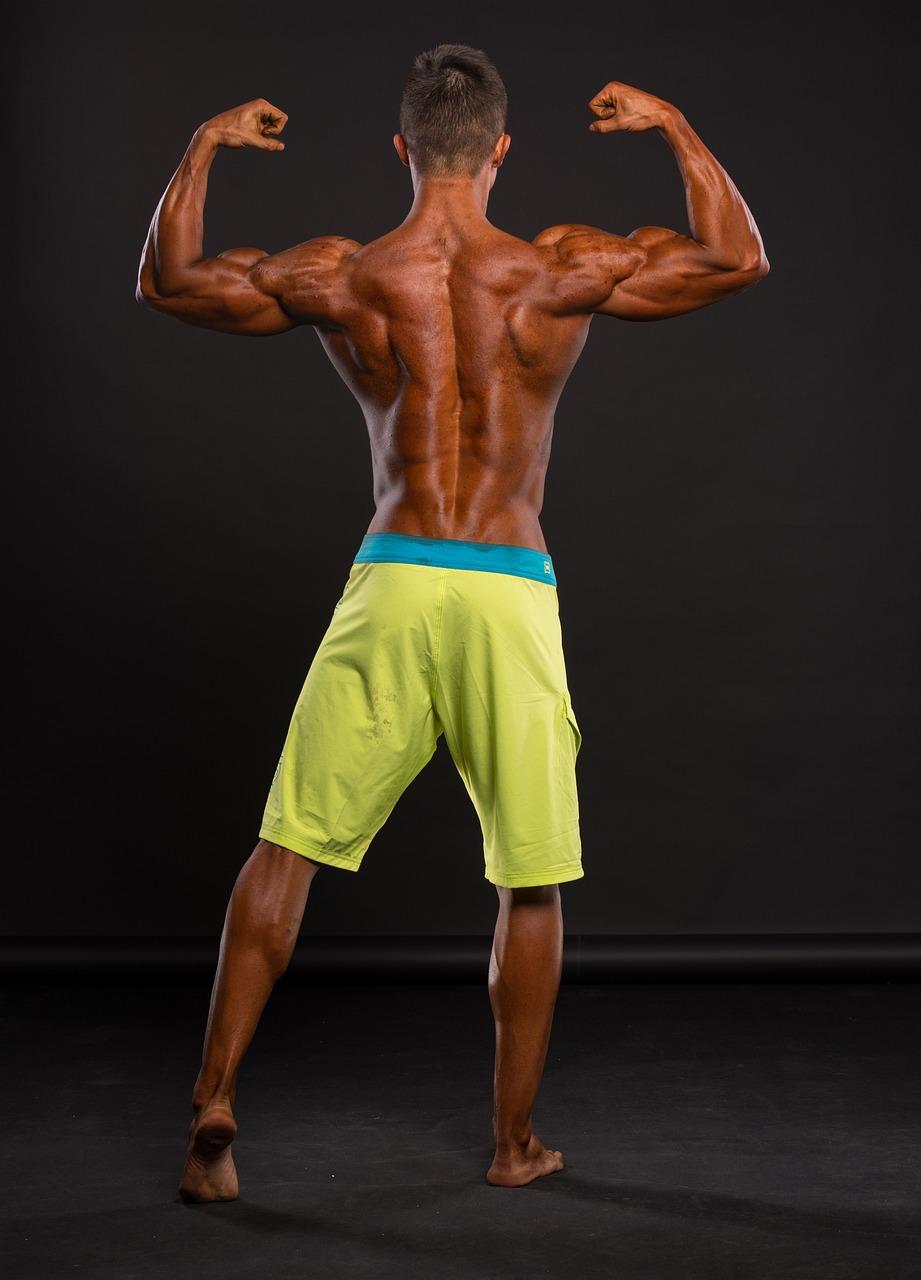
[![man-2378993_1280.jpg](https://www.anatomyarchive.org/uploads/images/gallery/2025-05/scaled-1680-/man-2378993-1280.jpg)](https://www.anatomyarchive.org/uploads/images/gallery/2025-05/man-2378993-1280.jpg)

[![fitness-5370749_1280.jpg](https://www.anatomyarchive.org/uploads/images/gallery/2025-04/scaled-1680-/fitness-5370749-1280.jpg)](https://www.anatomyarchive.org/uploads/images/gallery/2025-04/fitness-5370749-1280.jpg)
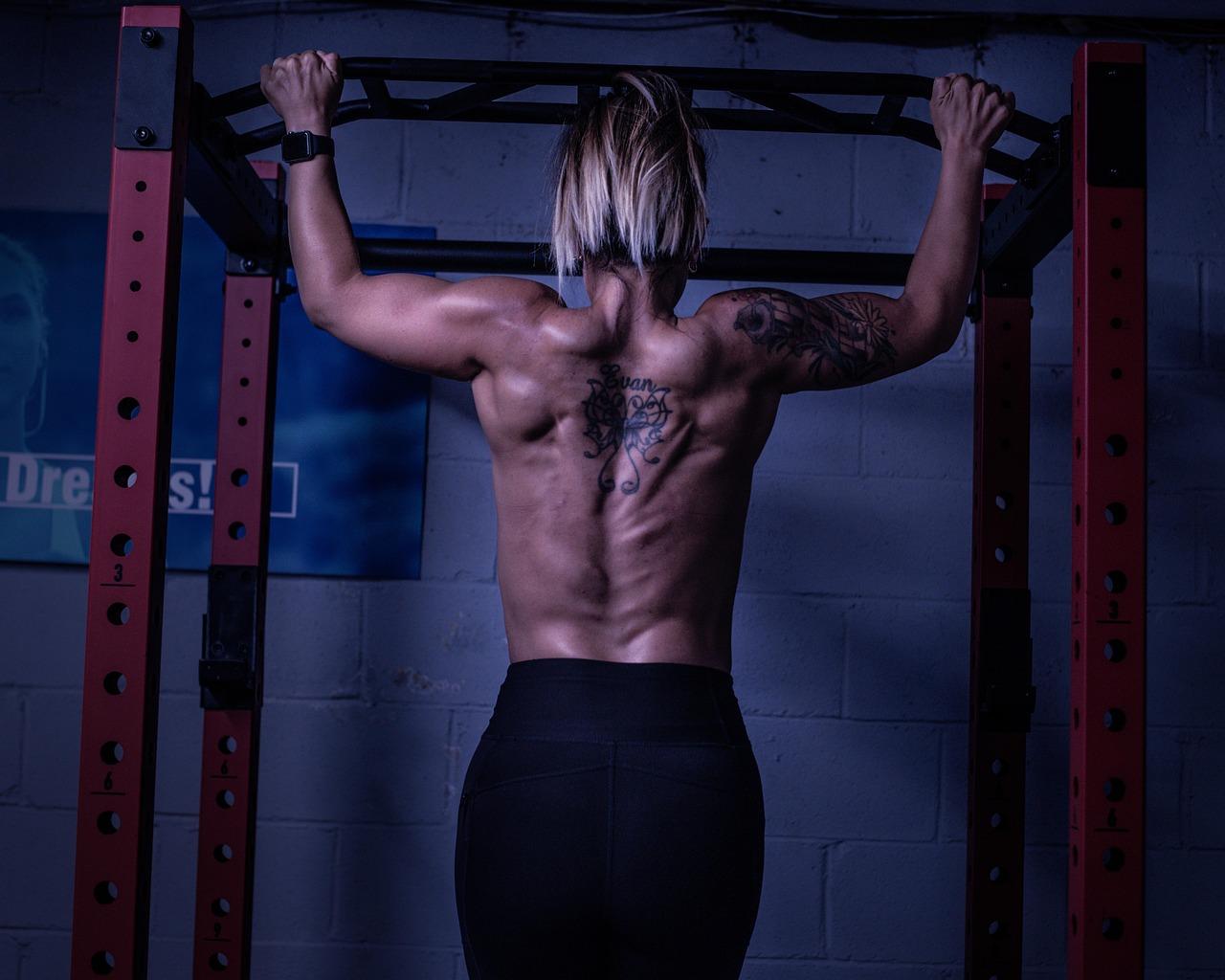
*credit to: [Harmony412](https://pixabay.com/users/harmony412-5725184/)*

[![fitness-5370750_1280.jpg](https://www.anatomyarchive.org/uploads/images/gallery/2025-04/scaled-1680-/fitness-5370750-1280.jpg)](https://www.anatomyarchive.org/uploads/images/gallery/2025-04/fitness-5370750-1280.jpg)  
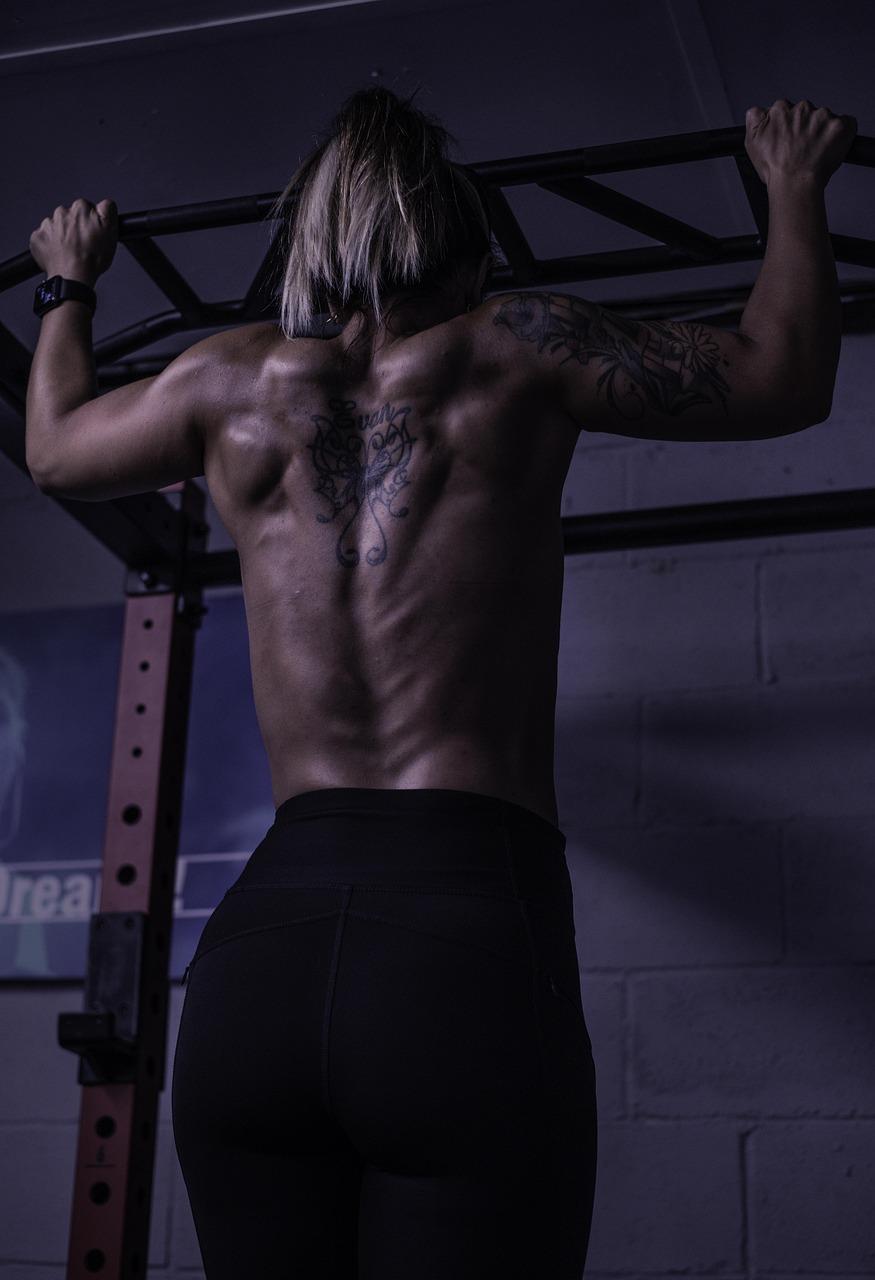
*credit to: [Harmony412](https://pixabay.com/users/harmony412-5725184/)*

*[![KÜRŞAT GÜNEY 1.png](https://www.anatomyarchive.org/uploads/images/gallery/2025-05/scaled-1680-/kursat-guney-1.png)](https://www.anatomyarchive.org/uploads/images/gallery/2025-05/kursat-guney-1.png)*
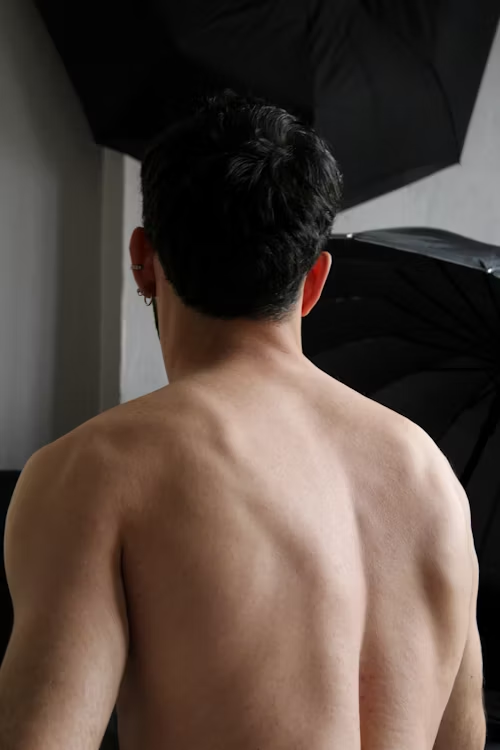
*credit to: [KÜRŞAT GÜNEY](https://unsplash.com/de/@kursatgu)*

*[![KÜRŞAT GÜNEY 2.png](https://www.anatomyarchive.org/uploads/images/gallery/2025-05/scaled-1680-/kursat-guney-2.png)](https://www.anatomyarchive.org/uploads/images/gallery/2025-05/kursat-guney-2.png)*
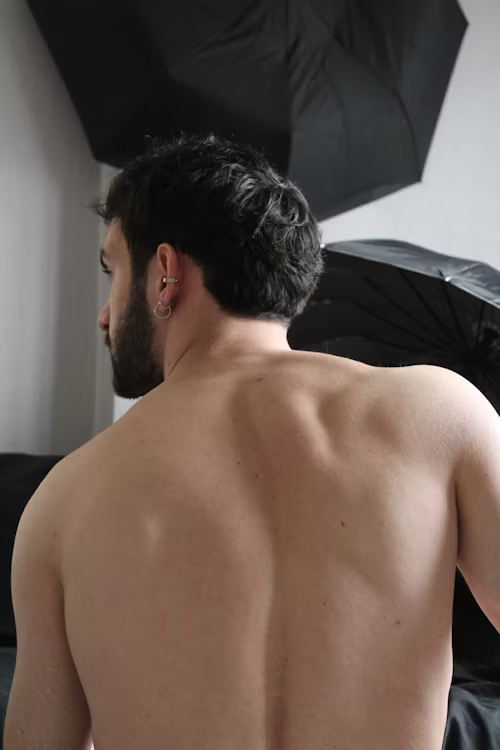
*credit to: [KÜRŞAT GÜNEY](https://unsplash.com/de/@kursatgu)*

*[![model-7093397_1280.png](https://www.anatomyarchive.org/uploads/images/gallery/2025-05/scaled-1680-/model-7093397-1280.png)](https://www.anatomyarchive.org/uploads/images/gallery/2025-05/model-7093397-1280.png)*
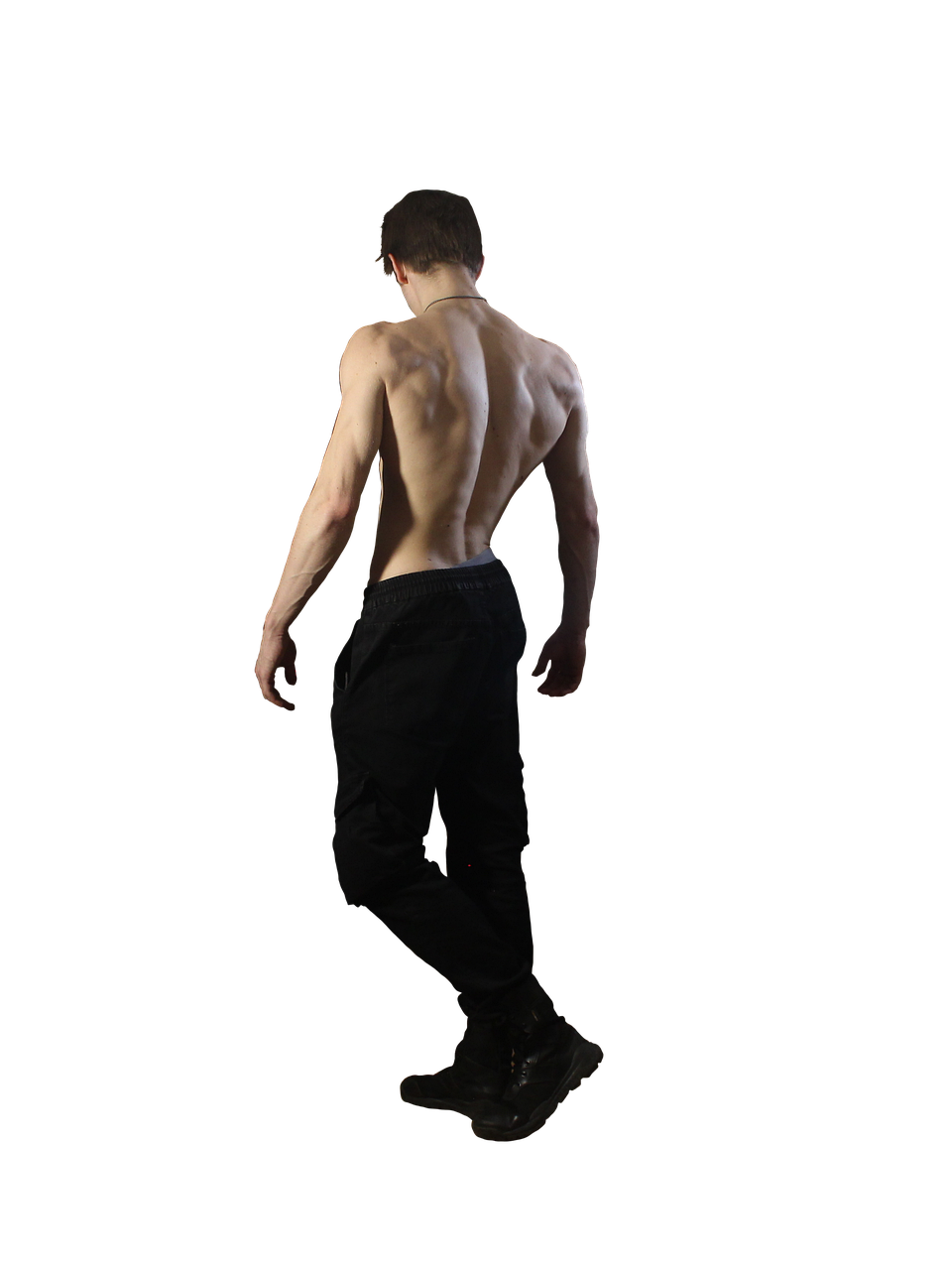
*credit to: [Raman\_Spirydonau](https://pixabay.com/users/raman_spirydonau-11910217/)*

[![Gould_Pyle_183.jpg](https://www.anatomyarchive.org/uploads/images/gallery/2025-04/scaled-1680-/gould-pyle-183.jpg)](https://www.anatomyarchive.org/uploads/images/gallery/2025-04/gould-pyle-183.jpg)
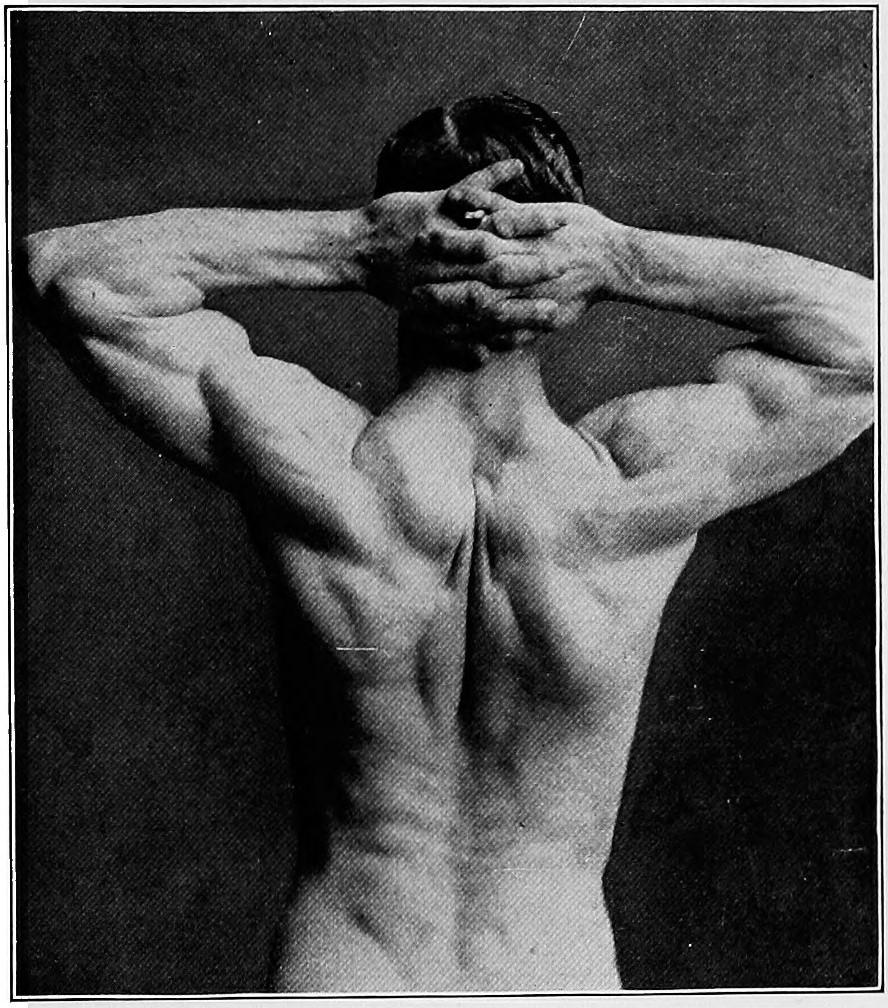
*credit to: [George M. Gould and Walter L. Pyle](https://commons.m.wikimedia.org/wiki/File:Gould_Pyle_183.jpg)*

[![Back.jpg](https://www.anatomyarchive.org/uploads/images/gallery/2025-04/scaled-1680-/back.jpg)](https://www.anatomyarchive.org/uploads/images/gallery/2025-04/back.jpg)
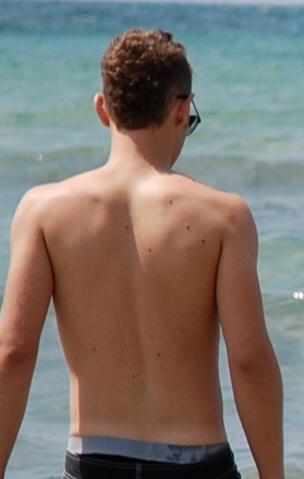
*credit to:[ אנדר-ויק](https://commons.m.wikimedia.org/wiki/File:Back.JPG)*

[![Blue_Jeans_from_the_rear.jpg](https://www.anatomyarchive.org/uploads/images/gallery/2025-04/scaled-1680-/blue-jeans-from-the-rear.jpg)](https://www.anatomyarchive.org/uploads/images/gallery/2025-04/blue-jeans-from-the-rear.jpg)
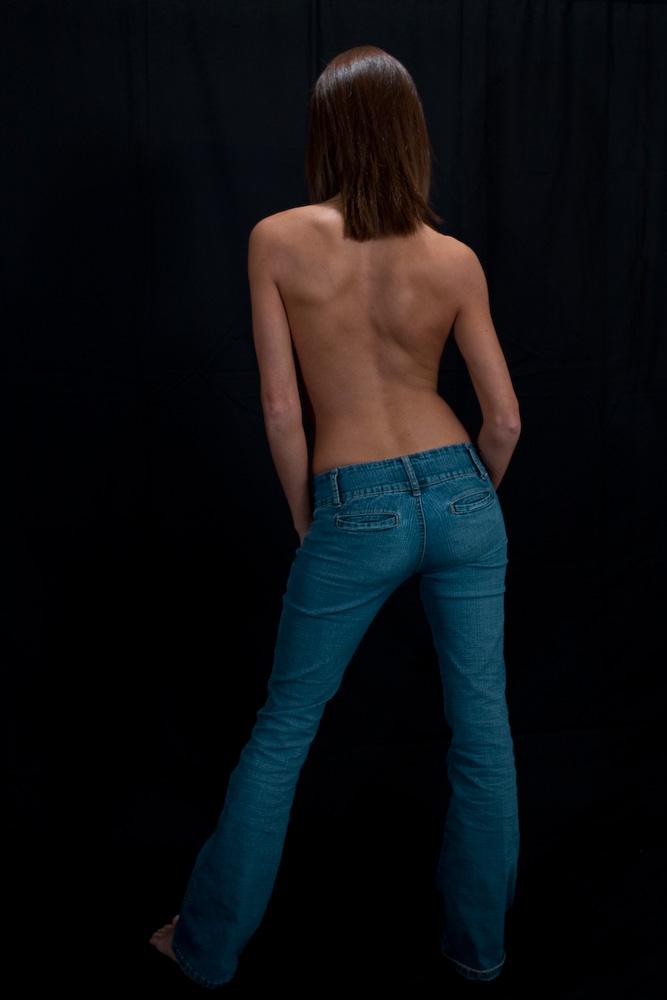
*credit to: [<bdi>Max Rebo Band</bdi>](https://commons.m.wikimedia.org/wiki/File:Blue_Jeans_from_the_rear.jpg)*

*[![IMG_0051.jpeg](https://www.anatomyarchive.org/uploads/images/gallery/2025-04/scaled-1680-/img-0051.jpeg)](https://www.anatomyarchive.org/uploads/images/gallery/2025-04/img-0051.jpeg)*
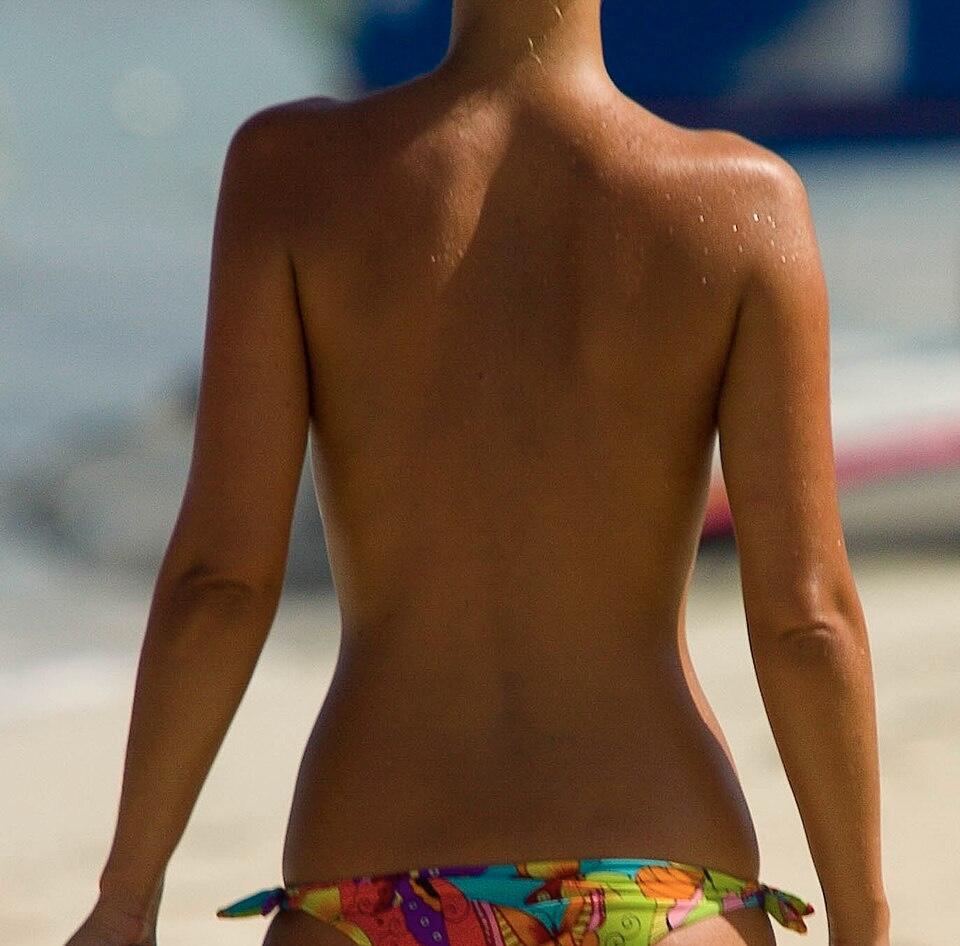
*credit to: [Vox Efx](https://commons.m.wikimedia.org/wiki/File:A_woman_with_a_suntan_wearing_a_bikini_(1)_(cropped).jpg); this image is modified (cropped)*

*[![IMG_0052.jpeg](https://www.anatomyarchive.org/uploads/images/gallery/2025-04/scaled-1680-/img-0052.jpeg)](https://www.anatomyarchive.org/uploads/images/gallery/2025-04/img-0052.jpeg)*
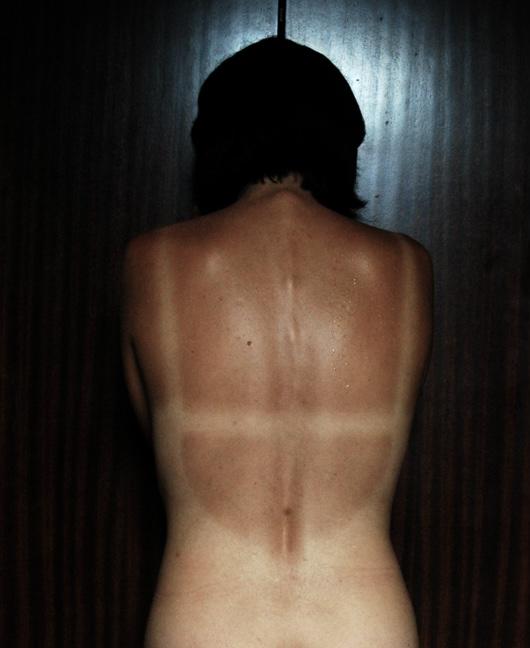
*credit to: [Elements Of This World](https://commons.m.wikimedia.org/wiki/File:Adult_Woman_Back_With_Tan_Lines.png); this image is modified (cropped)*

*[![bodybuilder-6919631_1280.jpg](https://www.anatomyarchive.org/uploads/images/gallery/2025-04/scaled-1680-/bodybuilder-6919631-1280.jpg)](https://www.anatomyarchive.org/uploads/images/gallery/2025-04/bodybuilder-6919631-1280.jpg)*
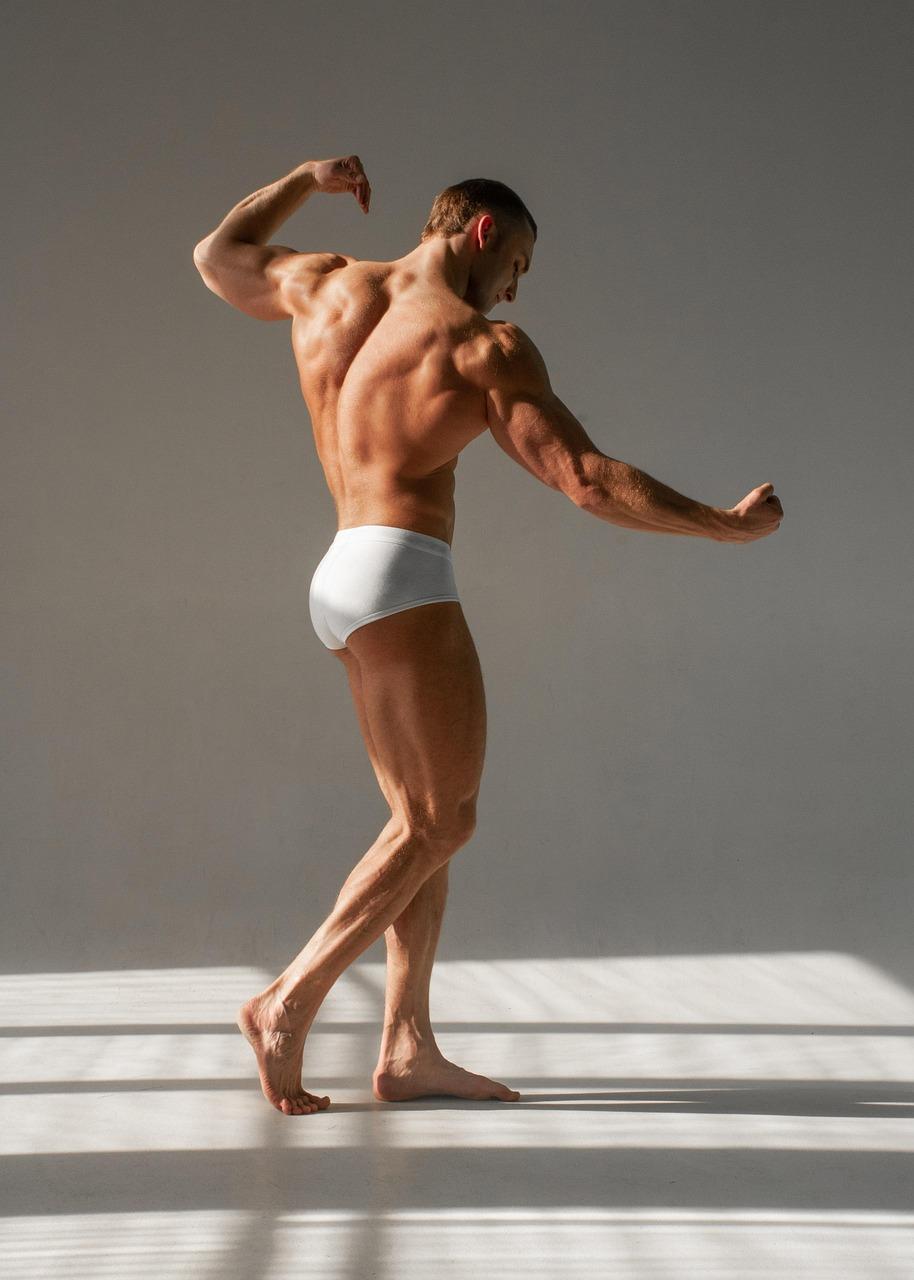
*credit to: [vishstudio](https://pixabay.com/photos/bodybuilder-bodybuilding-fitness-6919631/)*

[![IMG_0053.jpeg](https://www.anatomyarchive.org/uploads/images/gallery/2025-04/scaled-1680-/img-0053.jpeg)](https://www.anatomyarchive.org/uploads/images/gallery/2025-04/img-0053.jpeg)
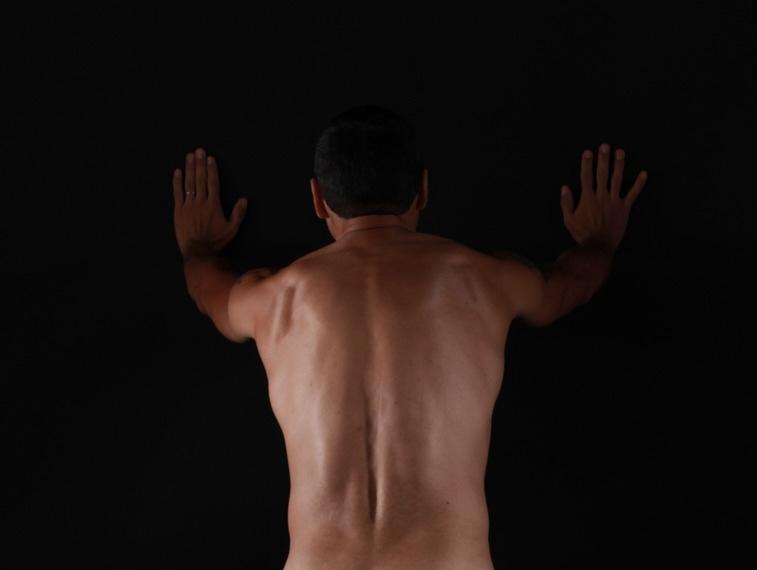
*credit to: [capsulanudes](https://pixabay.com/photos/man-back-body-muscles-legs-skin-6768174/); image is modified (cropped)*

[![sport-6820849_1280.jpg](https://www.anatomyarchive.org/uploads/images/gallery/2025-05/scaled-1680-/sport-6820849-1280.jpg)](https://www.anatomyarchive.org/uploads/images/gallery/2025-05/sport-6820849-1280.jpg)
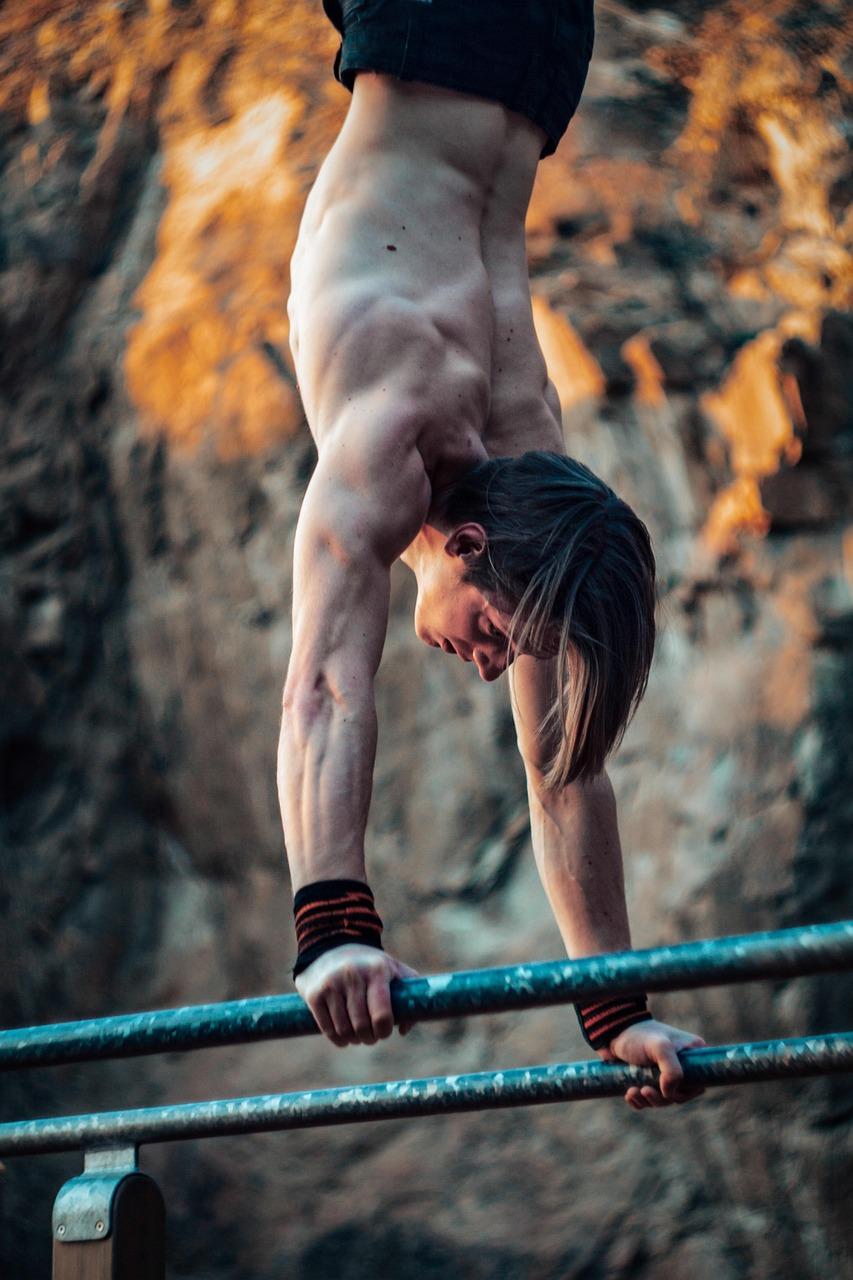
*credit to: [Raman\_Spirydonau](https://pixabay.com/users/raman_spirydonau-11910217/)*

</details>