# Lower Body Dorsal

(back)

# Whole Body Parts

*for example: arm, leg, finger, nose*

# Muscles

# Dorsal Leg Muscle Study (HiroX)

<details id="bkmrk-this-line-will-be-vi"><summary>Preview:</summary>

How to draw legs from a dorsal (back) view - muscles and shapes explained

</details>**Synonyms: muscular leg; leg study; dorsal leg muscles; hamstrings; calves**

---

#### **Intro**

In this study, I'll be sharing some guides on how to draw legs from a dorsal view!

#### **How to draw the muscles?**

<span style="white-space: pre-wrap;">I don't really like drawing too many guidelines so i generally start off with a really simple three line division of the legs. Middle being the knees of course! The Major muscles in the dorsal view of the leg being the Hamstring and the calves! A simple way to remember these muscles is the middle diamond shape (it is called </span>**Plantaris**) they make.

[![WhatsApp Image 2026-01-24 at 02.20.19.jpeg](https://www.anatomyarchive.org/uploads/images/gallery/2026-01/scaled-1680-/WMrwhatsapp-image-2026-01-24-at-02-20-19.jpeg)](https://www.anatomyarchive.org/uploads/images/gallery/2026-01/scaled-1680-/WMrwhatsapp-image-2026-01-24-at-02-20-19.jpeg)

#### **Another Tip for drawing legs**

[![WhatsApp Image 2026-01-24 at 02.20.19 (1).jpeg](https://www.anatomyarchive.org/uploads/images/gallery/2026-01/scaled-1680-/whatsapp-image-2026-01-24-at-02-20-19-1.jpeg)](https://www.anatomyarchive.org/uploads/images/gallery/2026-01/scaled-1680-/whatsapp-image-2026-01-24-at-02-20-19-1.jpeg)

To simplify even further, you can draw from the outline of the muscle. Remember few things when drawing from the outline:

<span style="white-space: pre-wrap;">1. Closer to the hips the curve is bigger because of the </span><u>prominently big quad muscles</u><span style="white-space: pre-wrap;"> adjacent to the hamstrings.</span>

<span style="white-space: pre-wrap;">2. Closer to the crotch side, there is a slight curve because of the presence of </span><u>Adductor Magnus muscle</u><span style="white-space: pre-wrap;">. </span>

<span style="white-space: pre-wrap;">3. Width decreases as it goes down from the calves and then slightly widens up at it reaches your ankles. </span>

#### **Functions of the muscles?**

<span style="white-space: pre-wrap;">Hamstrings have a pivotal role in the strength of your legs, it provides assistance to the glutes while squatting. It pushes your leg so that you get up properly from a squat. </span>

<span style="white-space: pre-wrap;">Calves have a similar role. Being placed on the lower half of the leg you can imagine the amount of force it bears from your body. They support your legs in walking, standing, squatting, climbing and other activities. </span>

<span style="white-space: pre-wrap;">You might have noticed bicyclers developing strong calves after months or years of experience of rigorous bicycle riding. This is because of the contraction and relaxation workout that is being done on calves when pushing the pedals. Same thing is essential in rock climbing, a strong calves are useful for grip yourself to the platform by your legs. </span>

#### **Reference Pictures (for study only)**

<details id="bkmrk-name-the-source-%28web"><summary>Legs</summary>

[![G_T36YJa0AA7Zn1.jpg](https://www.anatomyarchive.org/uploads/images/gallery/2026-01/scaled-1680-/g-t36yja0aa7zn1.jpg)](https://www.anatomyarchive.org/uploads/images/gallery/2026-01/scaled-1680-/g-t36yja0aa7zn1.jpg)

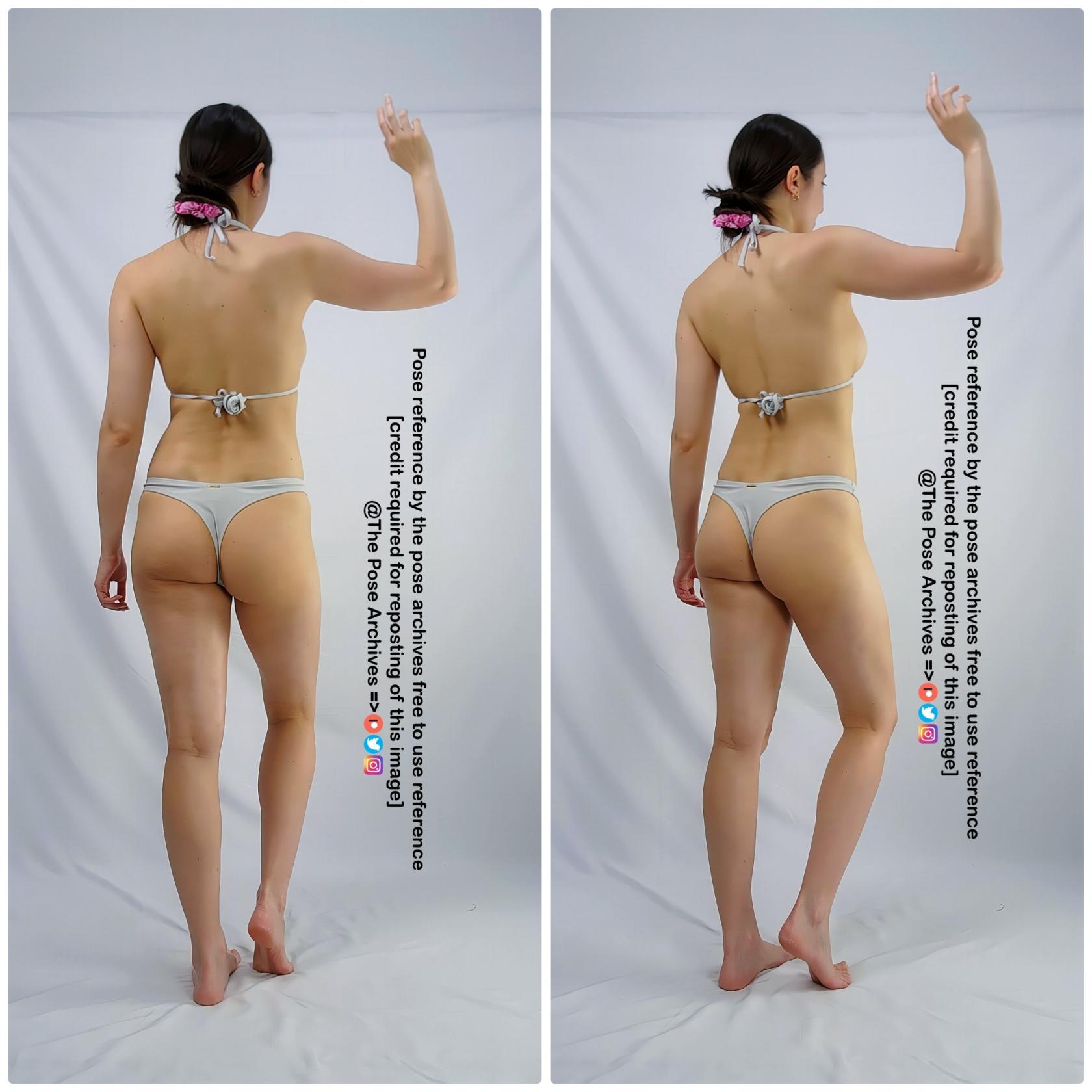
**credit to:** [**Pose Archives**](https://x.com/theposearchives)

[![G_T36ajaYAAjaqP.jpg](https://www.anatomyarchive.org/uploads/images/gallery/2026-01/scaled-1680-/g-t36ajayaajaqp.jpg)](https://www.anatomyarchive.org/uploads/images/gallery/2026-01/scaled-1680-/g-t36ajayaajaqp.jpg)
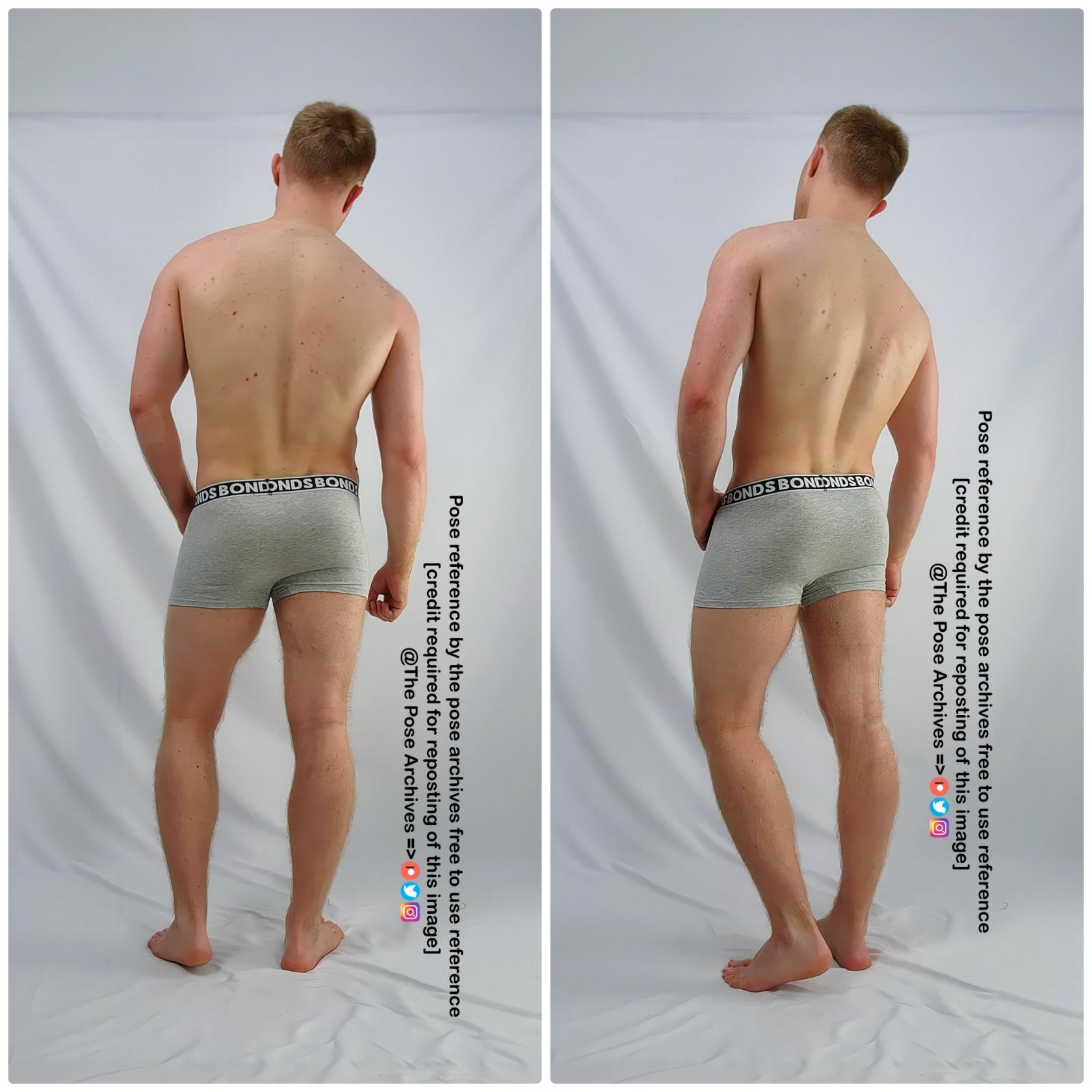
**Credit to:** [**Pose Archives**](https://x.com/theposearchives)

[![01H0MSK2Z9JP0S25A23HWN0ZD2_00009.webp](https://www.anatomyarchive.org/uploads/images/gallery/2026-01/scaled-1680-/01h0msk2z9jp0s25a23hwn0zd2-00009.webp)](https://www.anatomyarchive.org/uploads/images/gallery/2026-01/scaled-1680-/01h0msk2z9jp0s25a23hwn0zd2-00009.webp)
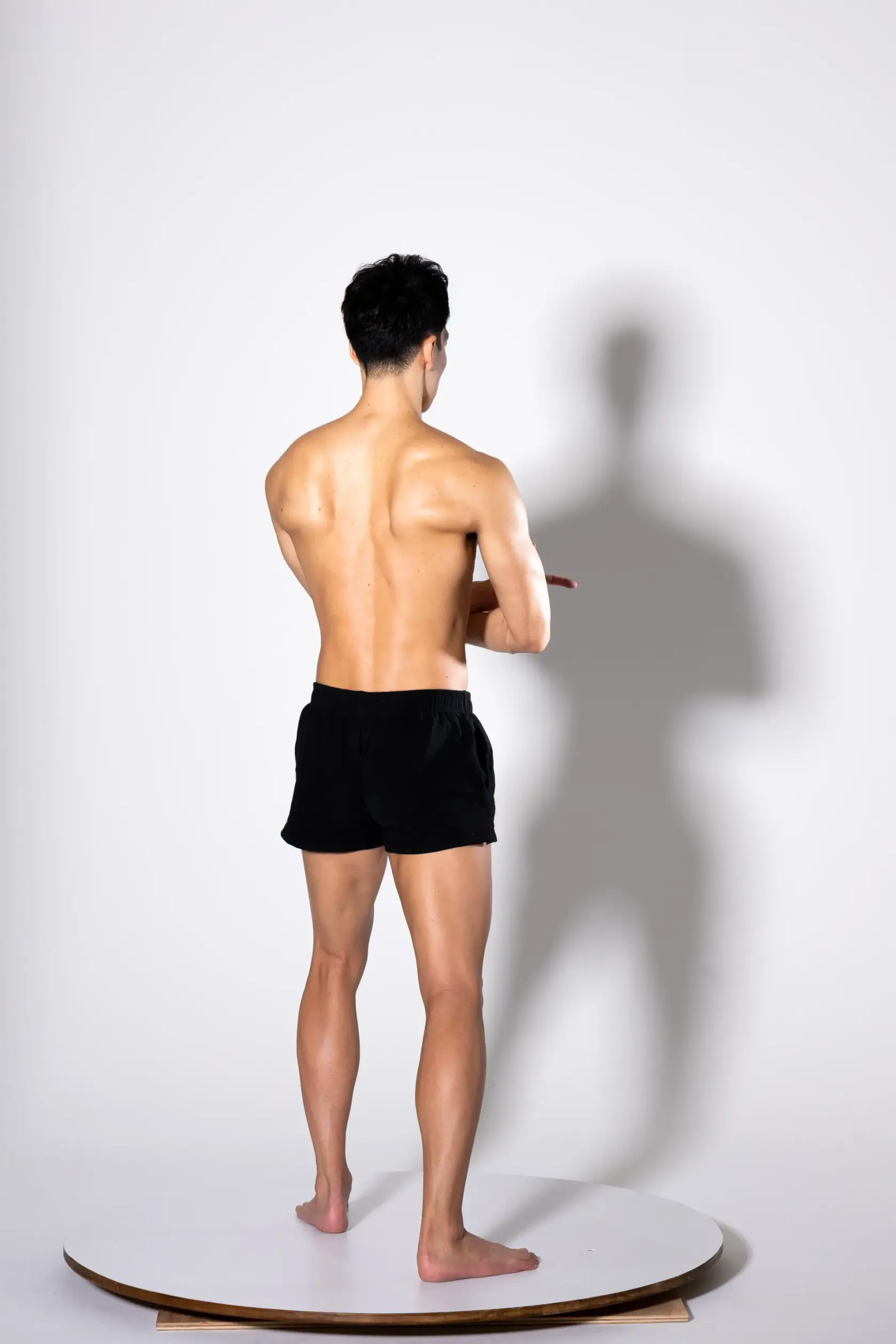
**Credit to :** [**posemaniacs**](https://www.posemaniacs.com/en/muscles)

[![image_2026-01-24_032440374.png](https://www.anatomyarchive.org/uploads/images/gallery/2026-01/scaled-1680-/image-2026-01-24-032440374.png)](https://www.anatomyarchive.org/uploads/images/gallery/2026-01/scaled-1680-/image-2026-01-24-032440374.png)

**Credit to:** [**Roberta Darrigo / Instagram**](https://www.instagram.com/p/DRMv7okk86l/)

[![Screenshot 2026-01-24 032618.png](https://www.anatomyarchive.org/uploads/images/gallery/2026-01/scaled-1680-/screenshot-2026-01-24-032618.png)](https://www.anatomyarchive.org/uploads/images/gallery/2026-01/scaled-1680-/screenshot-2026-01-24-032618.png)

**Credit to:** [**Roberta Darrigo / Instagram**](https://www.instagram.com/p/DRMv7okk86l/)

</details>

# Bones

**(in alpha testing)**