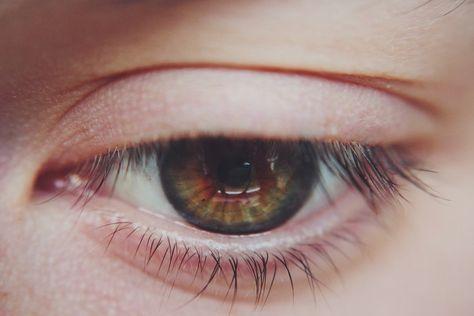
# The Eye (Cassette_illust)

<details id="bkmrk-this-line-will-be-vi"><summary>Preview:</summary>

The human eye is the most fascinating feature that someone can have. Each person has their own unique eyes. truly, the eye is a door for a person's soul.

</details>**Synonyms: Eyeball; Eyelashes; Pupil; Eyes;**

---

### **Summary**

<span style="white-space: pre-wrap;">This study emphasizes that the eye is a complex, three-dimensional organ that </span>**serves as the focal point of the face**<span style="white-space: pre-wrap;">, necessitating a thorough grasp of its anatomy and the skull structure that houses it. To draw eyes realistically, see the eyeball as a rounded diamond shape, use desaturated colours, and include details such as light reflections and varying iris colours. It is critical to consider elements such as race, skin tone, and viewing angle when determining the look of the eye while avoiding typical blunders such as wrong proportions or disregarding lighting and curvature. </span>

[![eye drawing](https://www.anatomyarchive.org/uploads/images/gallery/2025-08/scaled-1680-/eye-drawing.webp)](https://www.anatomyarchive.org/uploads/images/gallery/2025-08/scaled-1680-/eye-drawing.webp)

**(Artist: Cassette\_Illust)**

#### **Basics**

<span style="white-space: pre-wrap;">The eye contains different parts, such as the </span>**upper lid**<span style="white-space: pre-wrap;">, the </span>**lacrimal area**<span style="white-space: pre-wrap;">, the </span>**bottom lid**, the **iris**<span style="white-space: pre-wrap;">, the </span>**pupil**<span style="white-space: pre-wrap;">, and of course the </span>**eyeball**<span style="white-space: pre-wrap;">. All of this is located at the eye socket of the skull. It is also important to know the </span>**skull structure**<span style="white-space: pre-wrap;"> so that you will be able to visualize the eye socket and draw functional and proportional eyes.</span>

[![eye parts.jpg](https://www.anatomyarchive.org/uploads/images/gallery/2025-08/scaled-1680-/pvIeye-parts.jpg)](https://www.anatomyarchive.org/uploads/images/gallery/2025-08/scaled-1680-/pvIeye-parts.jpg)

<span style="white-space: pre-wrap;">Your eyes are </span>**the sensory organs that allow you to see**. Your eyes capture visible light from the world around you and turn it into a form your brain uses to create your sense of vision. Your brain doesn't have sensory abilities of its own. TEST

#### **Eyeball**

\- First, locate the eye socket. And then draw the rounded diamonds inside.

<span style="white-space: pre-wrap;">- Eyeball color should be a desaturated version of skin tones; avoid pure white, and show darker edges for roundness. </span>

[![eye 1.jpg](https://www.anatomyarchive.org/uploads/images/gallery/2025-08/scaled-1680-/vMMeye-1.jpg)](https://www.anatomyarchive.org/uploads/images/gallery/2025-08/scaled-1680-/vMMeye-1.jpg)

<span style="white-space: pre-wrap;">Drawing the eyeball in a rounded diamond makes it easier to point the sides rather than making it round. Note that the eye is </span>**3-dimensional**. Meaning it has a curvature when seen from various different angles.

The inner side of the eye sits deeper; less light means darker shapes or lines, which show form depth.

#### **Eyelashes**

[![eye lashes](https://www.anatomyarchive.org/uploads/images/gallery/2025-08/scaled-1680-/eyelashes.jpg)](https://www.anatomyarchive.org/uploads/images/gallery/2025-08/eyelashes.jpg)

<span style="white-space: pre-wrap;">- When drawing side views, eyelid lines sink inward from the eye socket then turn </span>**outward**, and eyelashes curve naturally with lash direction patterns

Eyelashes on the front of the eye may be less visible and more visible on sides and vary by angle

[![eye from an angle](https://www.anatomyarchive.org/uploads/images/gallery/2025-08/scaled-1680-/eeye-angle.jpg)](https://www.anatomyarchive.org/uploads/images/gallery/2025-08/eeye-angle.jpg)

#### **Iris**

<span style="white-space: pre-wrap;">When drawing or painting Iris, use bright warm colours around the pupil, radiate colours outward with variations, and add darker edges. to make your eyes much more realistic, try adding light reflections and moist speculars. </span>

#### **Lacrimal Area**

<span style="white-space: pre-wrap;">The lacrimal area that I am talking about is the part of the eye that you can see at the corner towards the nose, that reddish part. It is composed of skin, hair follicles, and sebaceous (oil) and sweat glands, which produce a whitish, oily secretion that helps lubricate the eye. </span>

#### **Eye Lump**

[![eye lump](https://www.anatomyarchive.org/uploads/images/gallery/2025-08/scaled-1680-/eye-lump.jpg)](https://www.anatomyarchive.org/uploads/images/gallery/2025-08/eye-lump.jpg)

Use the eye lump method (rounded diamond) for sketching and blocking in eyes quickly when painting.

### **Additional Information!**

<span style="white-space: pre-wrap;">Skin tones also affect the eye appearance. For example, </span>**darker skin focuses more on the highlights rather than the shadows**. while lighter skin does the opposite.

Race also affects the shape of the eyes

[![different eye types](https://www.anatomyarchive.org/uploads/images/gallery/2025-08/scaled-1680-/type.jpg)](https://www.anatomyarchive.org/uploads/images/gallery/2025-08/type.jpg)

<span style="white-space: pre-wrap;">Western eyes are often more </span>**sunken**<span style="white-space: pre-wrap;"> with </span>**rounder folds**. while eastern eyes are l**ess sunken and more angular**, with epicanthic fold

Variation in eyelid skin thickness, lower eyelid shapes, and eye angle conveying character traits (innocence vs. aggression).

Lighting also affects the eye when drawing. Simplifying eyes using minimal angular lines and shapes based on lighting to avoid lifeless circles

#### **Common mistakes beginners do when drawing eye**

**-** <span style="color: rgb(241, 196, 15);">Drawing the eyeball too big - Incorrect eye opening, especially on side views</span>

<span style="color: rgb(241, 196, 15);">- ignoring the lighting - ignoring the curvature of the face, especially when drawing at angle</span>

#### **Painting/drawing tips**

**-**<span style="color: rgb(45, 194, 107); white-space: pre-wrap;"> Study the skull structure so that you know where the eyes are placed.</span>

<span style="color: rgb(45, 194, 107); white-space: pre-wrap;">- Use many layers for base colors, colorize lines, and maintain eye-centered lively color zones with cyan, purple, and red hues. </span>

<span style="color: rgb(45, 194, 107);">- Always consider the environment. The light, the ambient occlusion, or any other factor that could help your drawing</span>

#### **References Pictures (for study only)**

<details id="bkmrk-eyes"><summary>Eyes</summary>

[![eye ref.jpg](https://www.anatomyarchive.org/uploads/images/gallery/2025-08/scaled-1680-/eye-ref.jpg)](https://www.anatomyarchive.org/uploads/images/gallery/2025-08/scaled-1680-/eye-ref.jpg)

[![eye ref 3.jpg](https://www.anatomyarchive.org/uploads/images/gallery/2025-08/scaled-1680-/eye-ref-3.jpg)](https://www.anatomyarchive.org/uploads/images/gallery/2025-08/scaled-1680-/eye-ref-3.jpg)
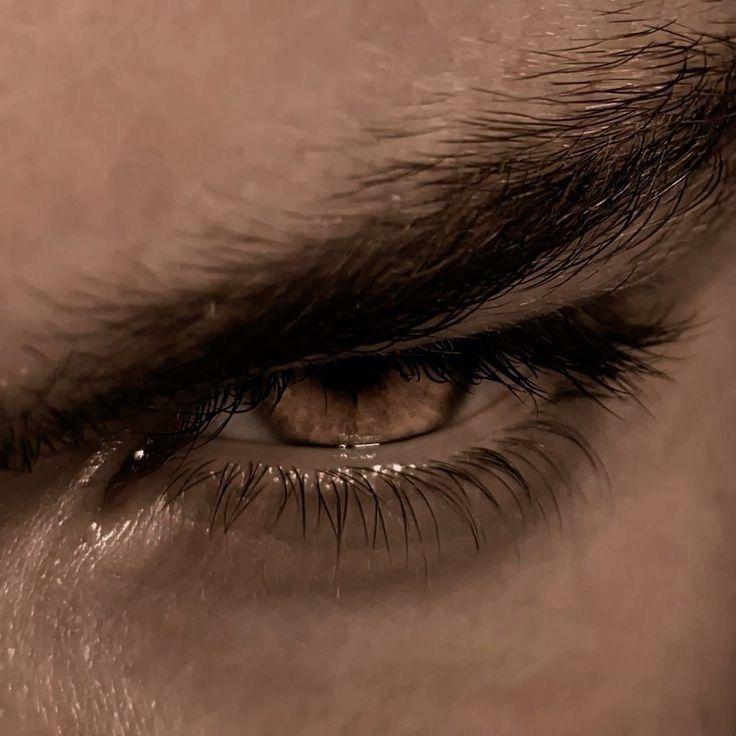
[![eye ref 2.jpg](https://www.anatomyarchive.org/uploads/images/gallery/2025-08/scaled-1680-/eye-ref-2.jpg)](https://www.anatomyarchive.org/uploads/images/gallery/2025-08/scaled-1680-/eye-ref-2.jpg)
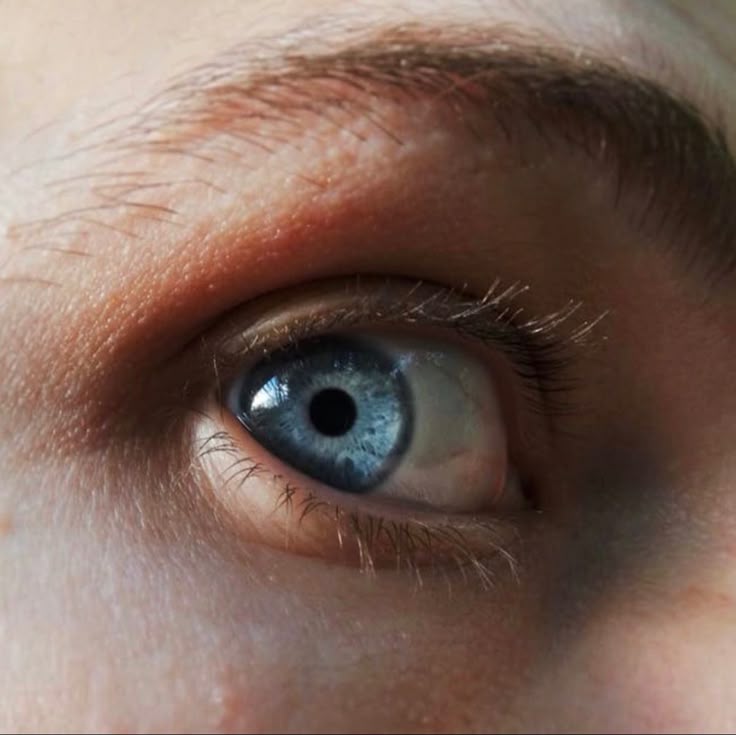
[![eye ref 1.jpg](https://www.anatomyarchive.org/uploads/images/gallery/2025-08/scaled-1680-/eye-ref-1.jpg)](https://www.anatomyarchive.org/uploads/images/gallery/2025-08/scaled-1680-/eye-ref-1.jpg)
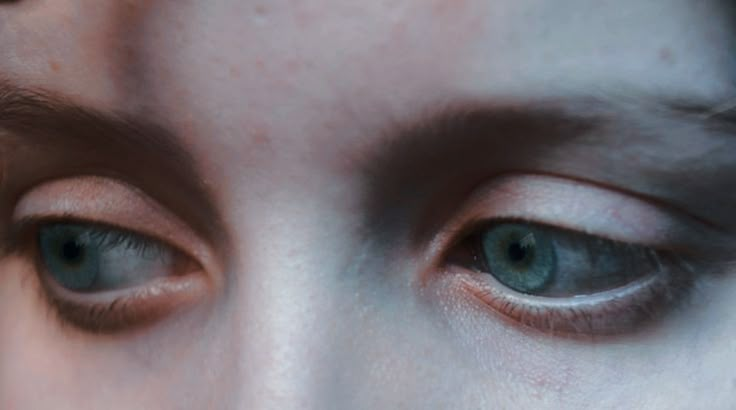
</details>Author: Cassette\_Illust (2025)