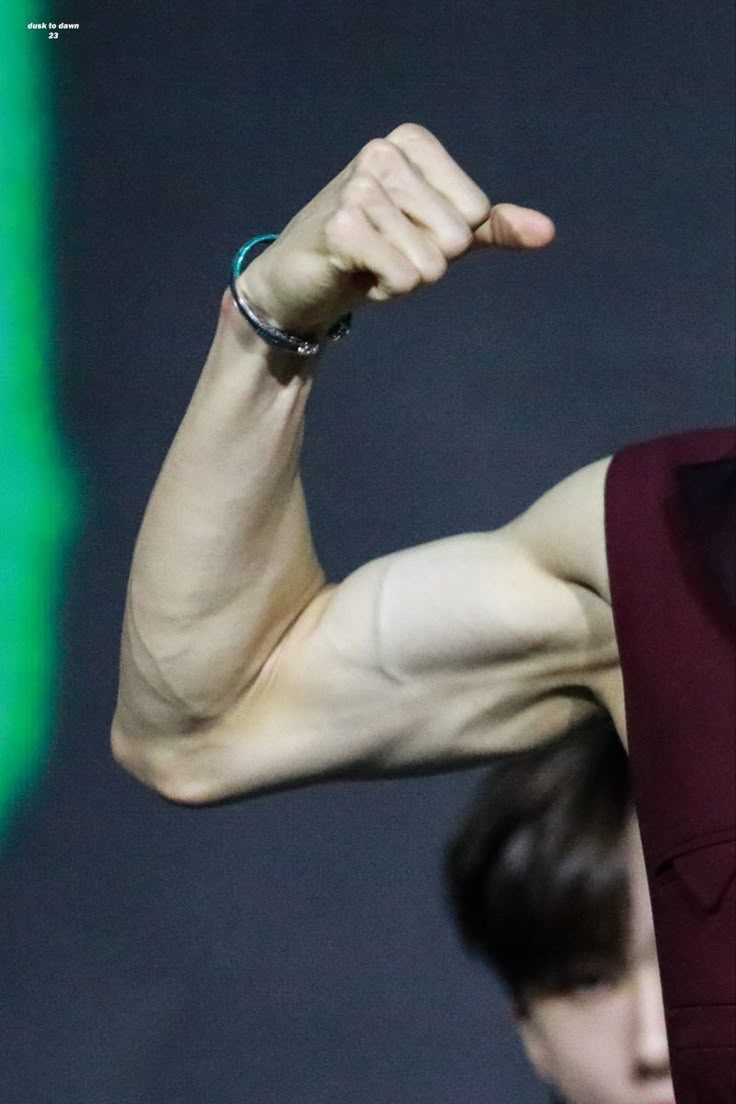
# Arm (Permafrost)

<details id="bkmrk-this-line-will-be-vi"><summary>Preview:</summary>

Everything you need to know about the arm. This page will teach you how to draw it with ease; from the shoulder to the wrist + some additional information about important muscles and joints.

</details>**Synonyms: Brachium; Humerus; Ulna; Upper limb; Antebrachium; Bicep; Forearm; Wrist; Radius; Shoulder; Upper arm; Lower arm; Tricep; Arm anatomy**

---

### **Summary**

The Arms (Brachium) are two upper body limbs that consist of three bones, three joints, and three main muscle groups each.

#### **Basics**

The arm is made up of the humerus (upper arm), radius, and ulna bones (both bones in the forearm). Major joints include the shoulder, elbow, and wrist. These joints allow the arm to stretch and contract.

[![1000009552.png](https://www.anatomyarchive.org/uploads/images/gallery/2025-09/scaled-1680-/1000009552.png)](https://www.anatomyarchive.org/uploads/images/gallery/2025-09/scaled-1680-/1000009552.png)

#### **Functions**

The human arm allows you to grab, throw, lift, push, and pull. The bicep contracts to lift the arm towards the shoulder, while the tricep is contracted to straighten the arm.

[![17590025647434046433972731646349.jpg](https://www.anatomyarchive.org/uploads/images/gallery/2025-09/scaled-1680-/17590025647434046433972731646349.jpg)](https://www.anatomyarchive.org/uploads/images/gallery/2025-09/17590025647434046433972731646349.jpg)

**source:** [**lybrate.com**](https://www.lybrate.com/)

### **Basic Shapes**

**To build an arm there are two important and simple shapes you should use.**

- Circle (shoulders)
- Cylinders (upper and lower arm)

The circle (shoulder) serves as a sort of hinge where the upper arm can connect to the torso.

The cylinders (upper and lower arm) ensure that the arms don't look floppy since they can also serve as place holders for where the bones should be. For the lower arm, one cylinder is also enough to give the arm proper structure.

<span style="color: rgb(0, 0, 0); background-color: rgb(241, 196, 15);">Reminder:</span><span style="white-space: pre-wrap;"> These shapes can vary is size depending on the body type being drawn.</span>

[![1000009578.png](https://www.anatomyarchive.org/uploads/images/gallery/2025-09/scaled-1680-/1000009578.png)](https://www.anatomyarchive.org/uploads/images/gallery/2025-09/scaled-1680-/1000009578.png)

### **Advanced**

<details id="bkmrk-everything-beyond-th"><summary>Everything beyond the basics</summary>

#### **Joints**

<span style="white-space: pre-wrap;">Shoulder (Ball and Socket): The shoulder can move in any direction including: forward, backwards (if you're flexible enough), up, and down. This makes it the most flexible joint in the human body! It is made up of 3 different bones: The clavicle (collar bone), the scapula (shoulder blade), and the humerus (upper arm). Together, these three bones form the </span>**shoulder girdle.**

Elbow (Hinge and Pivot): The elbow is the hinge point between the upper arm and the lower arm. The elbow should also stick out of the arm for extra definition

[![1000009684.png](https://www.anatomyarchive.org/uploads/images/gallery/2025-10/scaled-1680-/1000009684.png)](https://www.anatomyarchive.org/uploads/images/gallery/2025-10/scaled-1680-/1000009684.png)
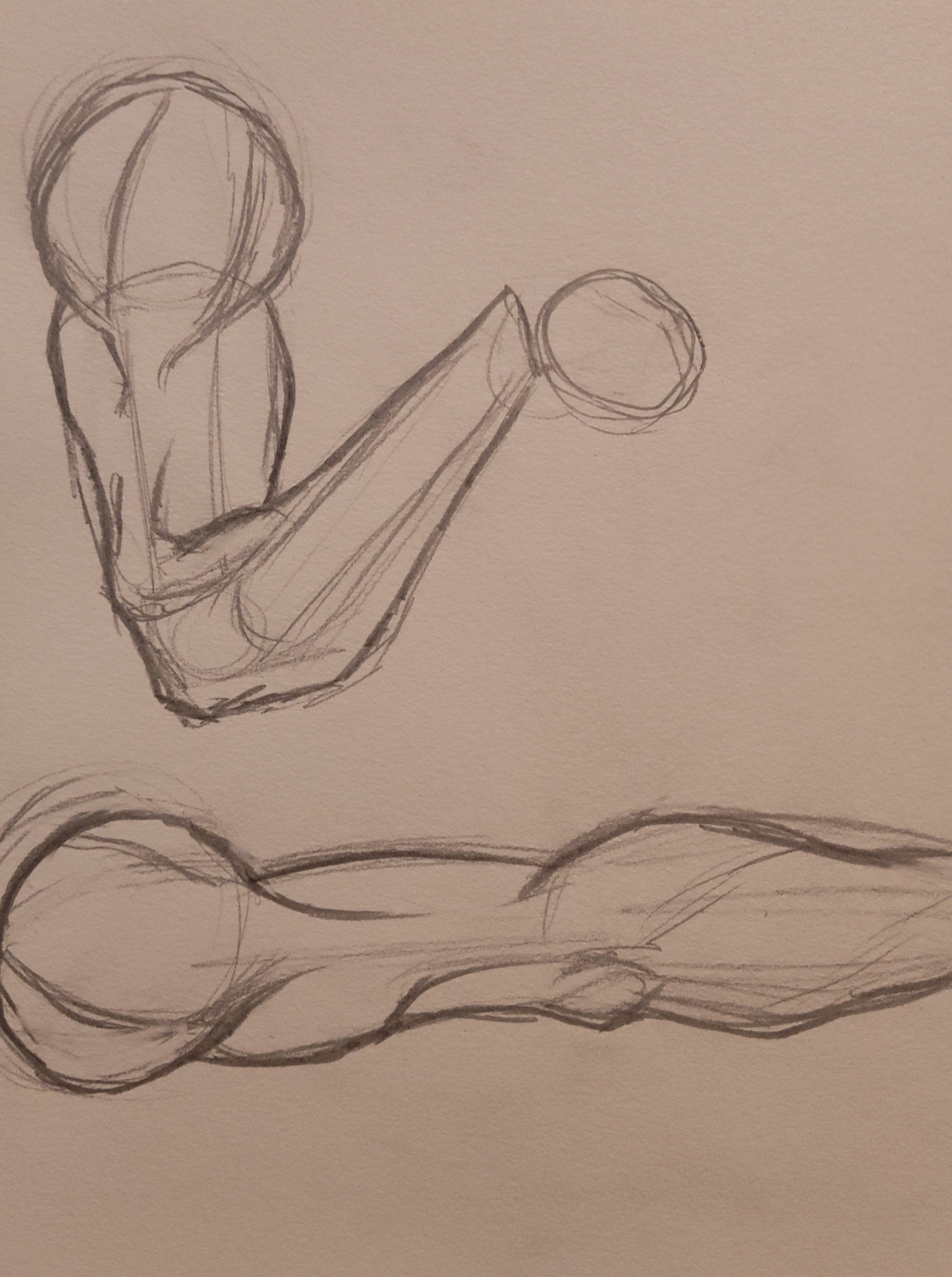
Wrist: The wrist (Carpus) is the joint between the hand and the lower arm (forearm). It allows complex motion and flexibility. The wrist is rarely in a straight position even in a resting pose. Be sure to give it atleast a slight tilt/curve when drawing it. The wrist should align with the radius bone and not with the center of the arm.

<span style="color: rgb(0, 0, 0); background-color: rgb(241, 196, 15);">Note:</span><span style="white-space: pre-wrap;"> The actual wrist does </span><u>NOT</u><span style="white-space: pre-wrap;"> twist. This motion comes from the </span><u>radius'</u><span style="white-space: pre-wrap;"> rotation under the </span><u>ulna</u><span style="white-space: pre-wrap;"> in the forearm. With that being said, most of the bending done in the wrist is moving the hand forward or backwards.</span>

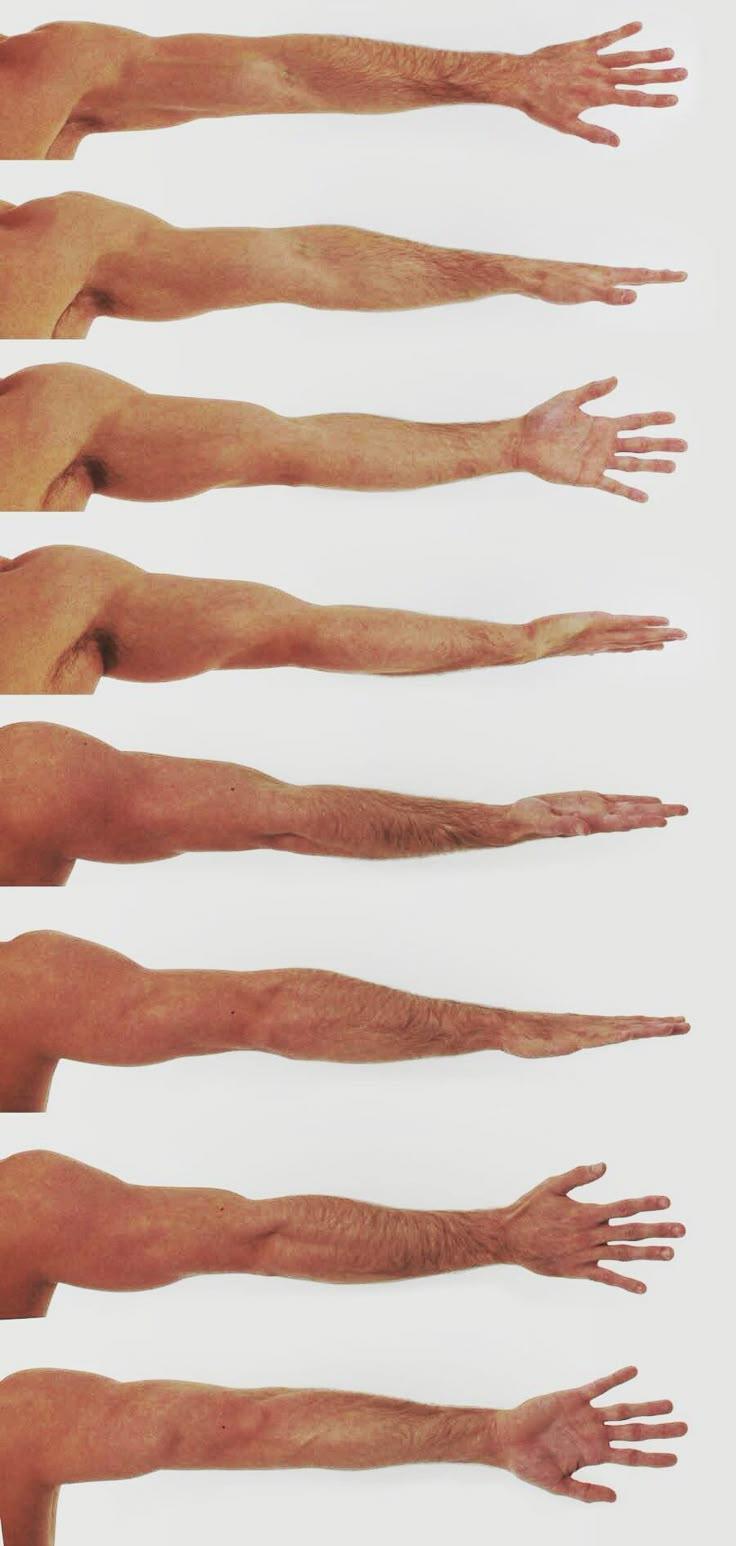
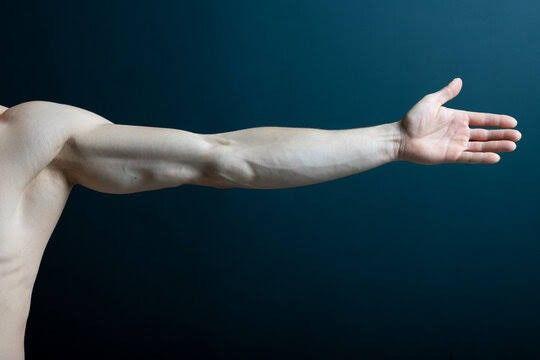
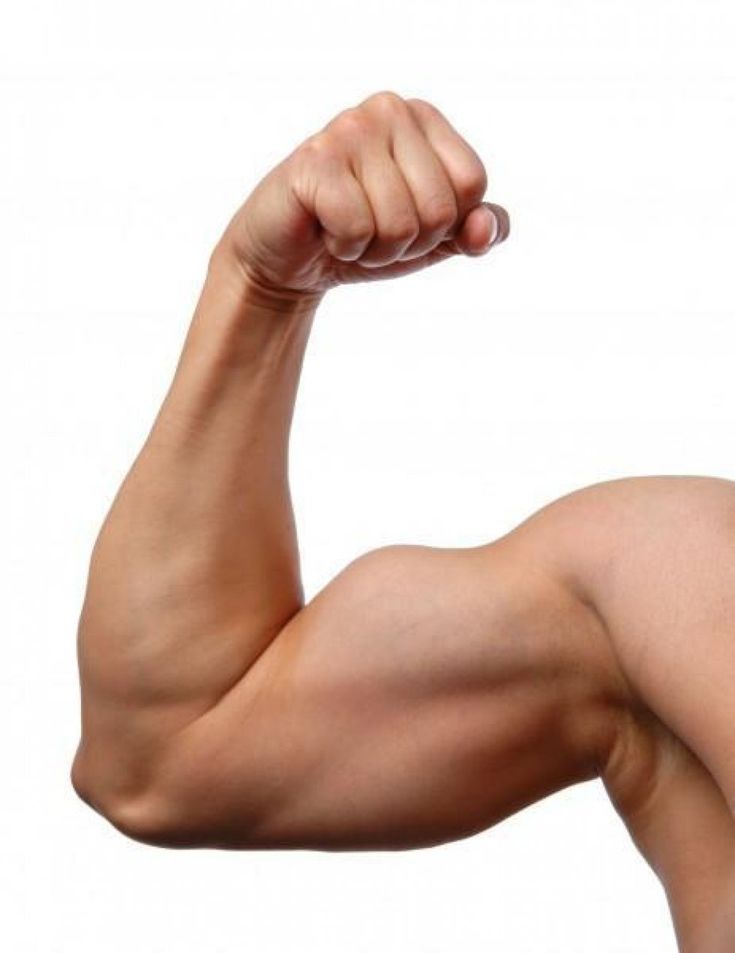
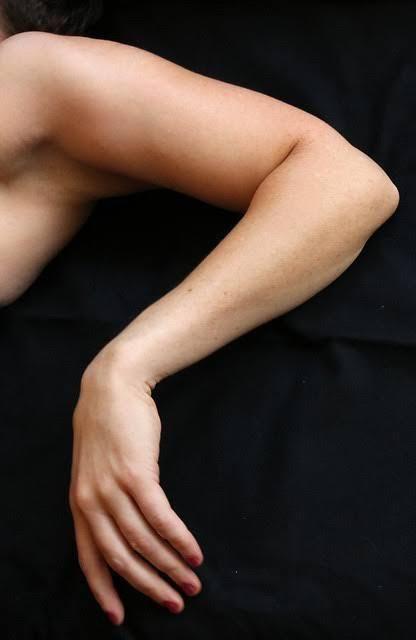
</details>#### **Reference Pictures (for study only)**

  
<details id="bkmrk-refrence-pictures-%28f"><summary>Arm Reference Pictures</summary>

#### [![1000009687.jpg](https://www.anatomyarchive.org/uploads/images/gallery/2025-10/scaled-1680-/1000009687.jpg)](https://www.anatomyarchive.org/uploads/images/gallery/2025-10/scaled-1680-/1000009687.jpg)

[![1000009756.jpg](https://www.anatomyarchive.org/uploads/images/gallery/2025-10/scaled-1680-/1000009756.jpg)](https://www.anatomyarchive.org/uploads/images/gallery/2025-10/scaled-1680-/1000009756.jpg)
[![1000009759.jpg](https://www.anatomyarchive.org/uploads/images/gallery/2025-10/scaled-1680-/1000009759.jpg)](https://www.anatomyarchive.org/uploads/images/gallery/2025-10/scaled-1680-/1000009759.jpg)
[![1000009757.jpg](https://www.anatomyarchive.org/uploads/images/gallery/2025-10/scaled-1680-/1000009757.jpg)](https://www.anatomyarchive.org/uploads/images/gallery/2025-10/scaled-1680-/1000009757.jpg)
[![1000009686.jpg](https://www.anatomyarchive.org/uploads/images/gallery/2025-10/scaled-1680-/1000009686.jpg)](https://www.anatomyarchive.org/uploads/images/gallery/2025-10/scaled-1680-/1000009686.jpg)
</details>