# Arms

# Whole Body Parts

*for example: arm, leg, finger, nose*

# Hand (Jassim)

<details id="bkmrk-this-line-will-be-vi"><summary>Preview:</summary>

A study about the proportions, shapes, and range of motion of the human hand, by Jassim.

</details>**Synonyms: Hand Anatomy; Manus; Fingers; Palm; Phalanges; Knuckles; Hands**

---

### **Summary**

<span style="white-space: pre-wrap;">The hands are two intricate and multi-fingered body parts located at the end of the arms, both in humans and primates. </span>

#### **Basics**

<span style="white-space: pre-wrap;">In humans, the hands are made up of a broad palm (metacarpus) and five digits. The hand is attached to the arm with a joint called the wrist (carpus). </span>

While human hands are designed for things such as carrying things, grabbing, pushing, hitting, tapping or petting; they also play an important function in communication: body language, sign language, calculation, symbolic gestures, communicating affection, etc. As such, they are great tools in art as well: the human hands can convey moods, emotions, and even information about a characters' backgrounds and personality.

[![Hand1.png](https://www.anatomyarchive.org/uploads/images/gallery/2025-09/scaled-1680-/sans-titre-65-20250911125712-1.png)](https://www.anatomyarchive.org/uploads/images/gallery/2025-09/scaled-1680-/sans-titre-65-20250911125712-1.png)

#### **Proportions**

<span style="white-space: pre-wrap;">The human hand usually has five fingers (four fingers and a thumb). </span>

Generally speaking, the palm and the fingers are about the same length, both being 1/2 of the hand. When the fingers are spread, the thumb is in the same half as the palm.

[![Hand2.png](https://www.anatomyarchive.org/uploads/images/gallery/2025-09/scaled-1680-/sans-titre-73-20250915090337.png)](https://www.anatomyarchive.org/uploads/images/gallery/2025-09/scaled-1680-/sans-titre-73-20250915090337.png)

The hand is mainly made of bones, 14 of which are the phalanges that each finger is divided into, going from longest at the base of the fingers to shortest at the tips: these are the proximal phalanges, the middle phalanges, and the distal phalanges. Note that the thumb doesn't have a middle phalange.

(The palm covers part of the proximal phalanges, but we can see them at the back of the hands where the knuckles are.)

<span style="white-space: pre-wrap;">The fingers are not cylinders: drawing them as such can make the fingers look uncanny. Instead, remember that the fingers have curves and bumps. It is encouraged to look at many different references to truly see the differences between each individual's hand, as this can also be good for character design. </span>

#### **Shapes**

[![Hand3.png](https://www.anatomyarchive.org/uploads/images/gallery/2025-09/scaled-1680-/sans-titre-73-20250915090526.png)](https://www.anatomyarchive.org/uploads/images/gallery/2025-09/scaled-1680-/sans-titre-73-20250915090526.png)

Although it doesn't always seem like it, the knuckles form a curve together. A good way to remember this is to picture the palm as a pentagon and place the fingers on top of it: they naturally curve, from the base to the tips, with the middle finger being the tallest one.

The knuckles forming a curve is also relevant for drawing a fist, and it is also convenient to remember that each base knuckle has its own shape. The middle finger's knuckle is typically the tallest and sharpest, similar to a triangle. The ring finger's knuckle is less sharp and more rounded, and the two other knuckles (pinky and index) are flatter, like squares or rectangles.

### **Advanced**

<details id="bkmrk-everything-beyond-th"><summary>Beyond the basics</summary>

#### **Range of movement**

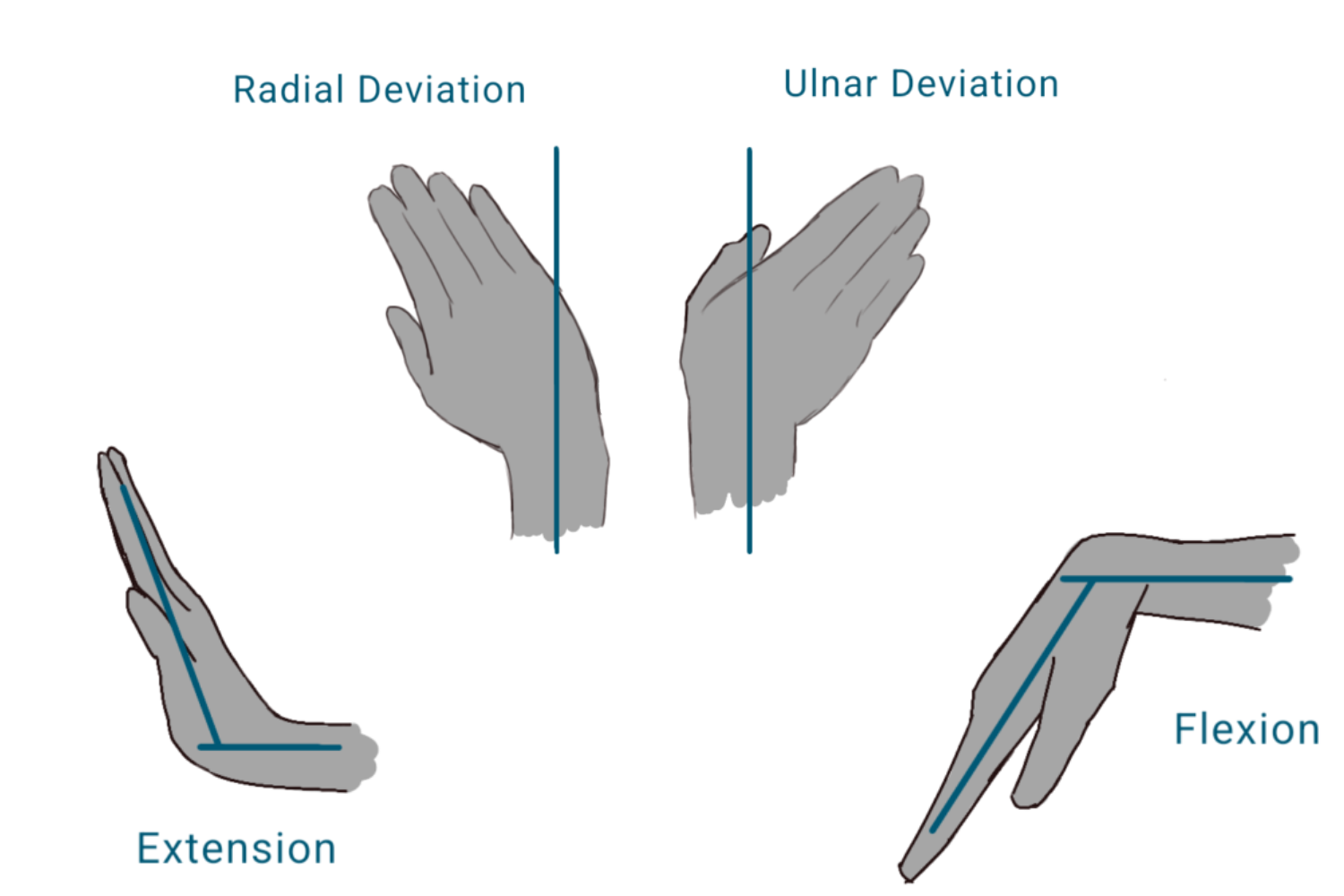
Typically, the hands can lean on each side at about 40°; this varies wildly depending on each individual, some having particularly flexible wrists while others have particularly stiff wrists.

(Note that the range of motion for the extension and flexion in this picture is implying the hand is not using anything to push the hand further: if the hand is pushing against something, the angle can be about 90°.)

[![Hand4.png](https://www.anatomyarchive.org/uploads/images/gallery/2025-09/scaled-1680-/sans-titre-72-20250911133705-1.png)](https://www.anatomyarchive.org/uploads/images/gallery/2025-09/scaled-1680-/sans-titre-72-20250911133705-1.png)
#### **Other things to remember**

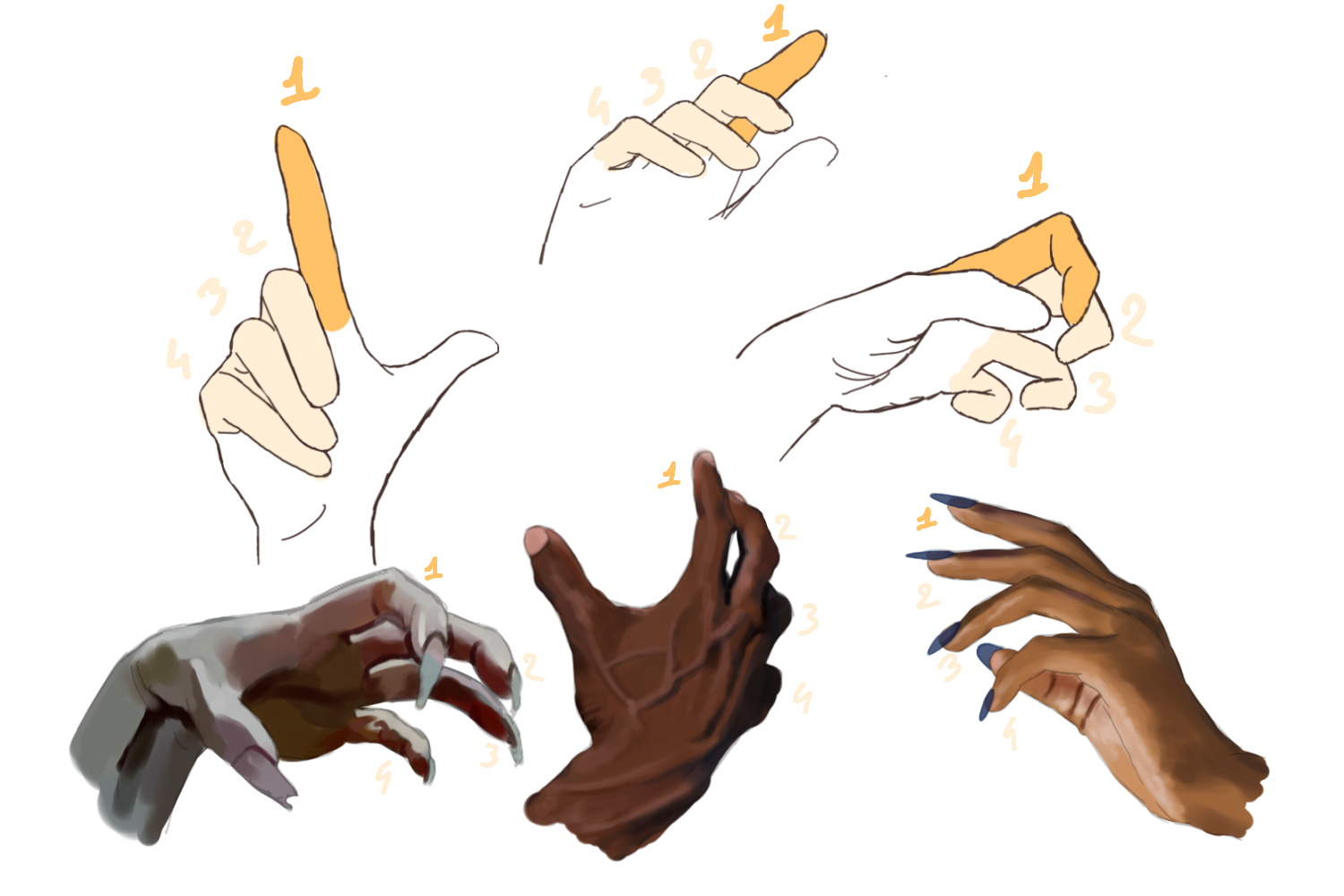
\- The fingers are all connected and the way they move tends to creates a somewhat predictable, harmonious curve. The index finger tends to lead, and the other fingers follow one at a time, even when the fingers are separate. The fingers seem to flow together.

[![Hand5.png](https://www.anatomyarchive.org/uploads/images/gallery/2025-09/scaled-1680-/sans-titre-70-20250911133540-1.png)](https://www.anatomyarchive.org/uploads/images/gallery/2025-09/scaled-1680-/sans-titre-70-20250911133540-1.png)
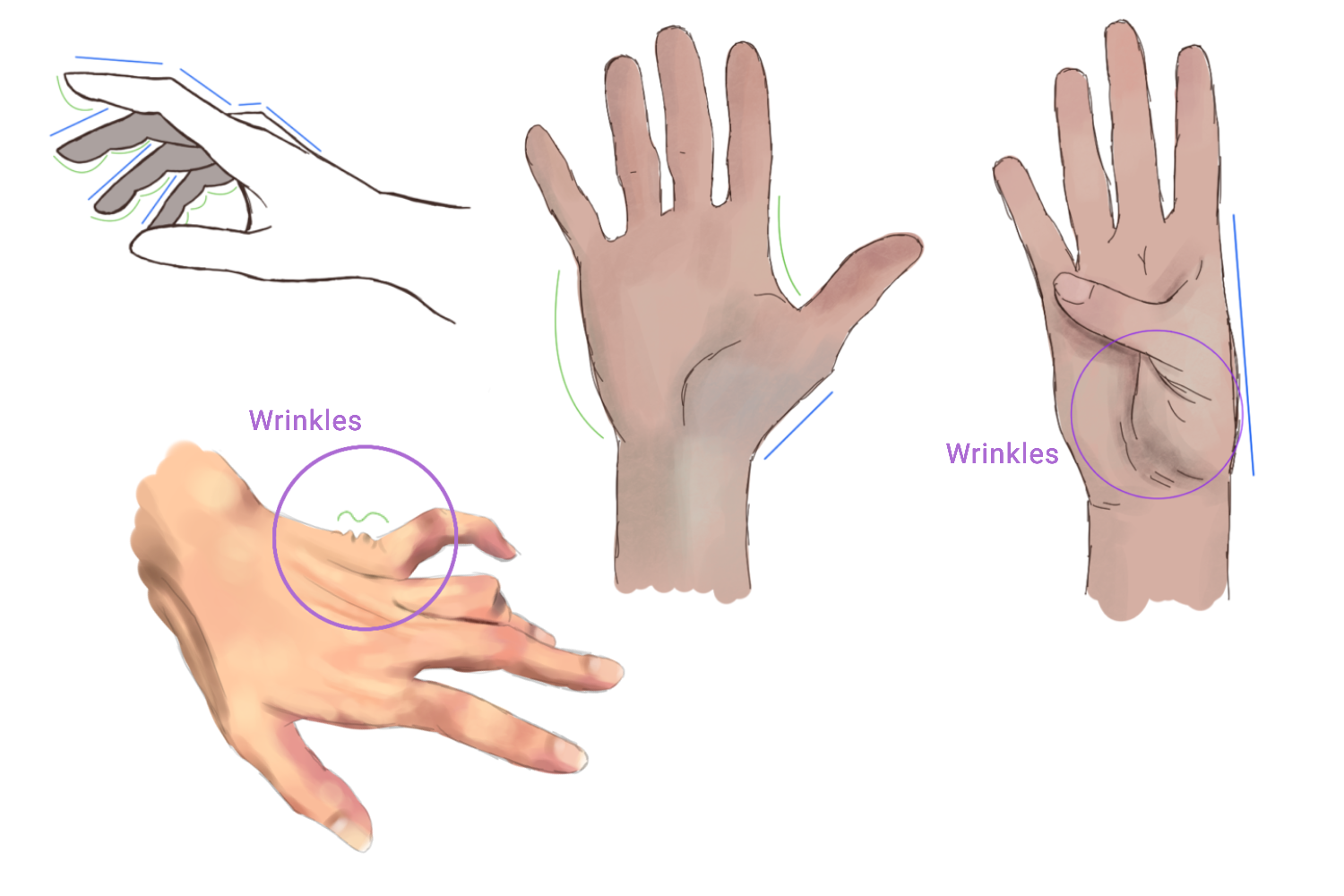
\- To allow movement, the skin on the hands is designed to be able to fold and stretch. Such movement creates folds in the skin, both in young and old individuals.

[![Hand6.png](https://www.anatomyarchive.org/uploads/images/gallery/2025-09/scaled-1680-/sans-titre-70-20250911132849-1.png)](https://www.anatomyarchive.org/uploads/images/gallery/2025-09/scaled-1680-/sans-titre-70-20250911132849-1.png)
</details>#### **Reference Pictures (for study only)**

<details id="bkmrk-name-the-source-%28web"><summary>From Wikimedia, Reference.Pictures</summary>

[![Reference-Pictures_Hands_M-055 copy.webp](https://www.anatomyarchive.org/uploads/images/gallery/2025-09/scaled-1680-/reference-pictures-hands-m-055-copy.webp)](https://www.anatomyarchive.org/uploads/images/gallery/2025-09/reference-pictures-hands-m-055-copy.webp)

**credit to:** [**Reference.Pictures**](https://reference.pictures/)

[![Reference-Pictures_Hands-4197 copy.webp](https://www.anatomyarchive.org/uploads/images/gallery/2025-09/scaled-1680-/reference-pictures-hands-4197-copy.webp)](https://www.anatomyarchive.org/uploads/images/gallery/2025-09/scaled-1680-/reference-pictures-hands-4197-copy.webp)
**credit to:** [**Reference.Pictures**](https://reference.pictures/)

[![Reference-Pictures_Hands-4174 copy.webp](https://www.anatomyarchive.org/uploads/images/gallery/2025-09/scaled-1680-/reference-pictures-hands-4174-copy.webp)](https://www.anatomyarchive.org/uploads/images/gallery/2025-09/scaled-1680-/reference-pictures-hands-4174-copy.webp)
**credit to:** [**Reference.Pictures**](https://reference.pictures/)

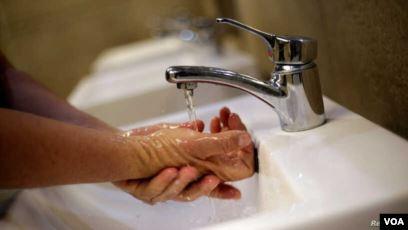
[![Hand_washing.jpg](https://www.anatomyarchive.org/uploads/images/gallery/2025-09/scaled-1680-/hand-washing.jpg)](https://www.anatomyarchive.org/uploads/images/gallery/2025-09/scaled-1680-/the-magician-unsplash.jpg)
[![Reference-Pictures_Hands_N-047 copy.webp](https://www.anatomyarchive.org/uploads/images/gallery/2025-09/scaled-1680-/reference-pictures-hands-n-047-copy.webp)](https://www.anatomyarchive.org/uploads/images/gallery/2025-09/reference-pictures-hands-n-047-copy.webp)
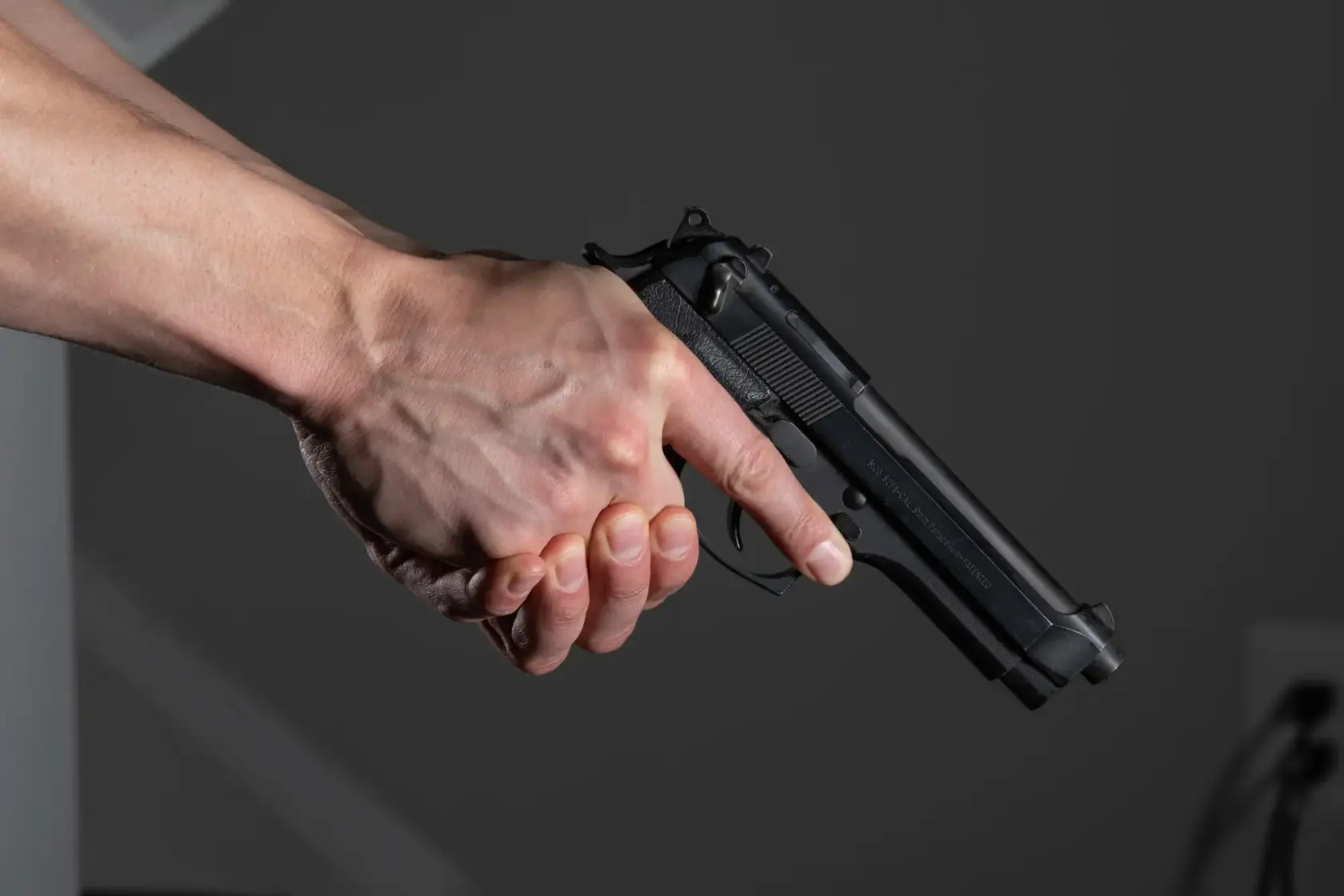
**credit to:** [**Reference.Pictures**](https://reference.pictures/)

[![Reference-Pictures_Hands-4168 copy.webp](https://www.anatomyarchive.org/uploads/images/gallery/2025-09/scaled-1680-/reference-pictures-hands-4168-copy.webp)](https://www.anatomyarchive.org/uploads/images/gallery/2025-09/scaled-1680-/reference-pictures-hands-4168-copy.webp)
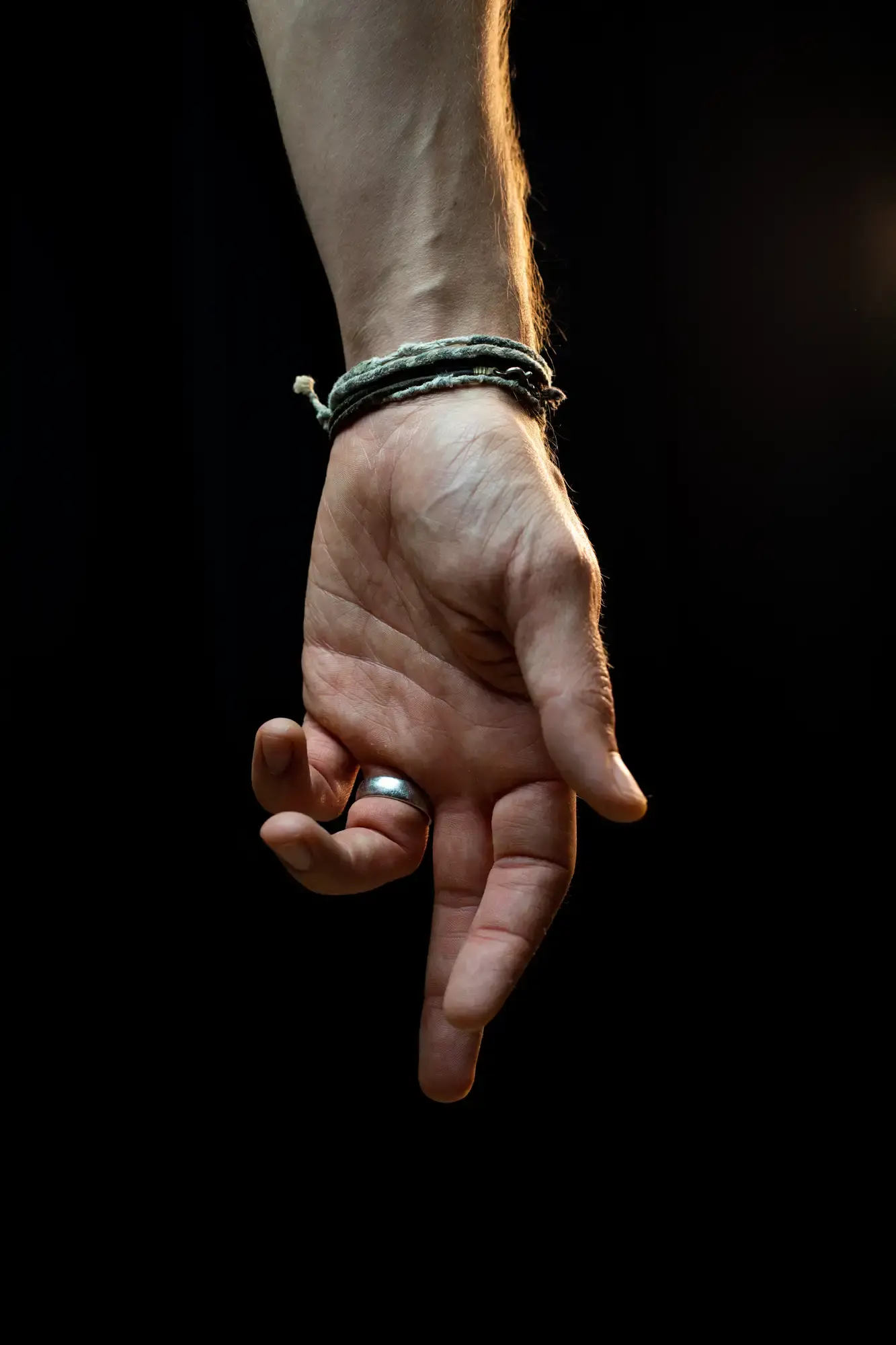
**credit to:** [**Reference.Pictures**](https://reference.pictures/)

[![Reference-Pictures_Hands_F-021 copy.webp](https://www.anatomyarchive.org/uploads/images/gallery/2025-09/scaled-1680-/reference-pictures-hands-f-021-copy.webp)](https://www.anatomyarchive.org/uploads/images/gallery/2025-09/scaled-1680-/reference-pictures-hands-f-021-copy.webp)
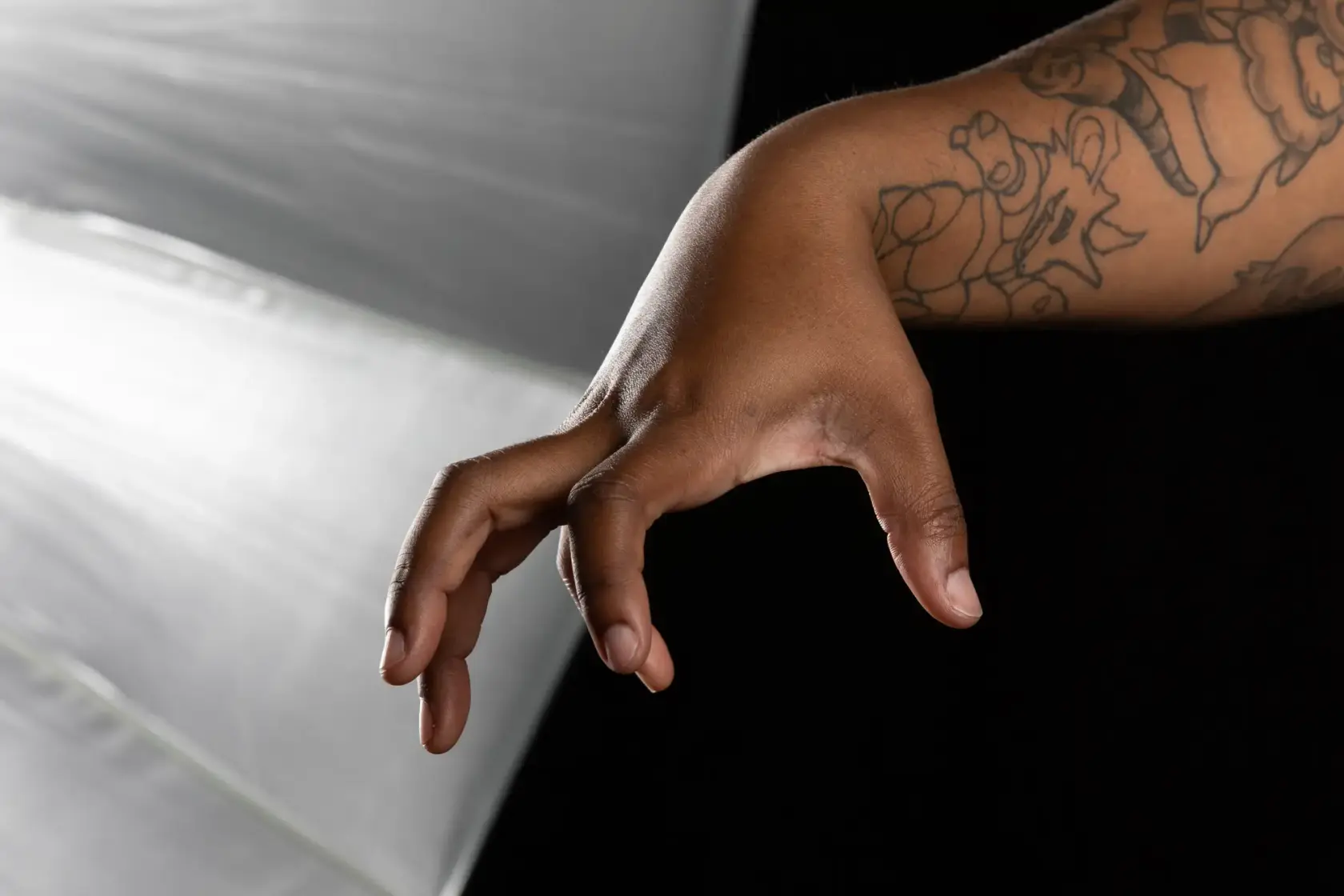
**credit to:** [**Reference.Pictures**](https://reference.pictures/)

[![Reference-Pictures_Hands-4106 copy.webp](https://www.anatomyarchive.org/uploads/images/gallery/2025-09/scaled-1680-/reference-pictures-hands-4106-copy.webp)](https://www.anatomyarchive.org/uploads/images/gallery/2025-09/scaled-1680-/reference-pictures-hands-4106-copy.webp)
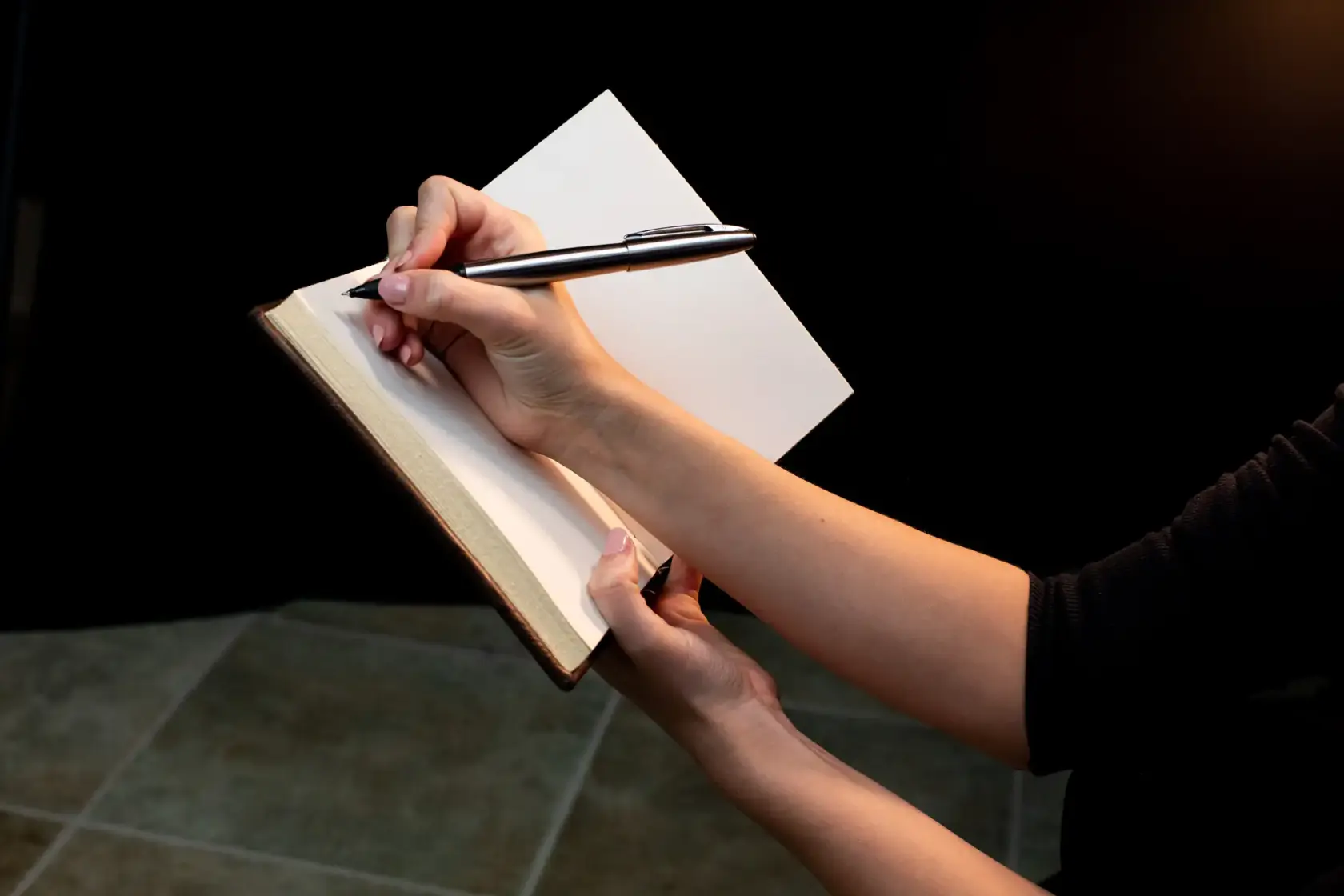
**credit to:** [**Reference.Pictures**](https://reference.pictures/)

[![Reference-Pictures_Hands-3841 copy.webp](https://www.anatomyarchive.org/uploads/images/gallery/2025-09/scaled-1680-/reference-pictures-hands-3841-copy.webp)](https://www.anatomyarchive.org/uploads/images/gallery/2025-09/scaled-1680-/reference-pictures-hands-3841-copy.webp)
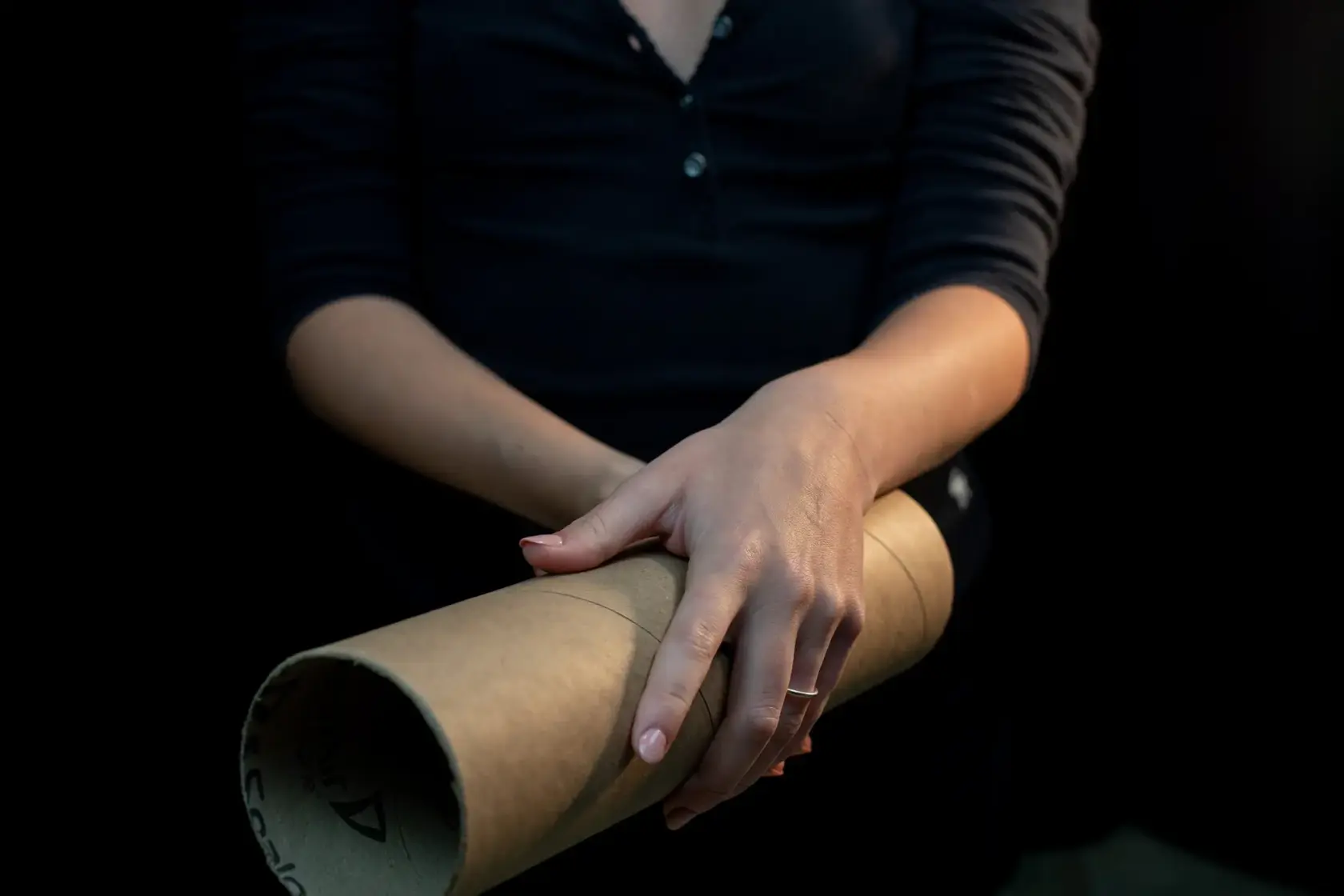
**credit to:** [**Reference.Pictures**](https://reference.pictures/)

[![Aerogel_hand.jpg](https://www.anatomyarchive.org/uploads/images/gallery/2025-09/scaled-1680-/aerogel-hand.jpg)](https://www.anatomyarchive.org/uploads/images/gallery/2025-09/scaled-1680-/aerogel-hand.jpg)
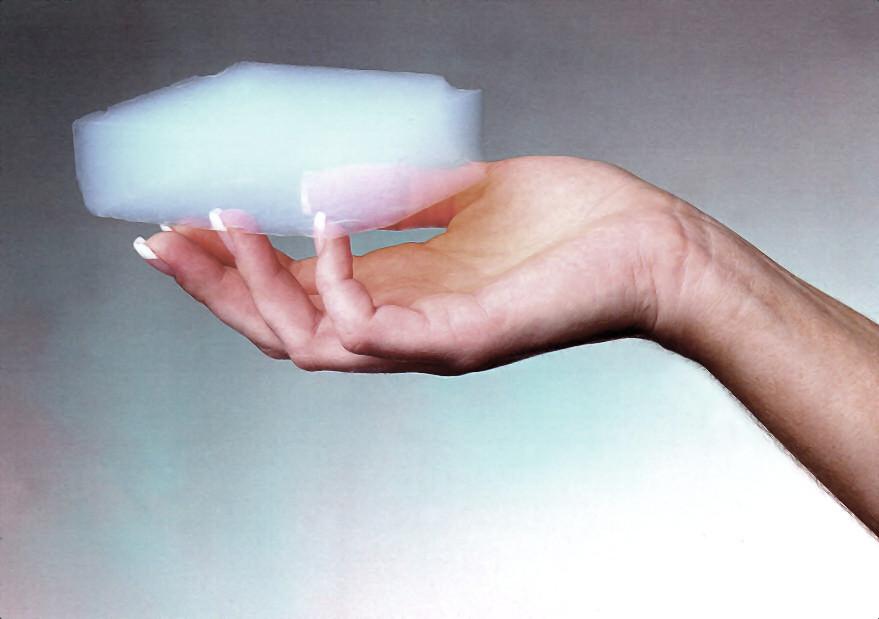
[![Reference-Pictures_Hands_C-092 copy.webp](https://www.anatomyarchive.org/uploads/images/gallery/2025-09/scaled-1680-/reference-pictures-hands-c-092-copy.webp)](https://www.anatomyarchive.org/uploads/images/gallery/2025-09/scaled-1680-/reference-pictures-hands-c-092-copy.webp)
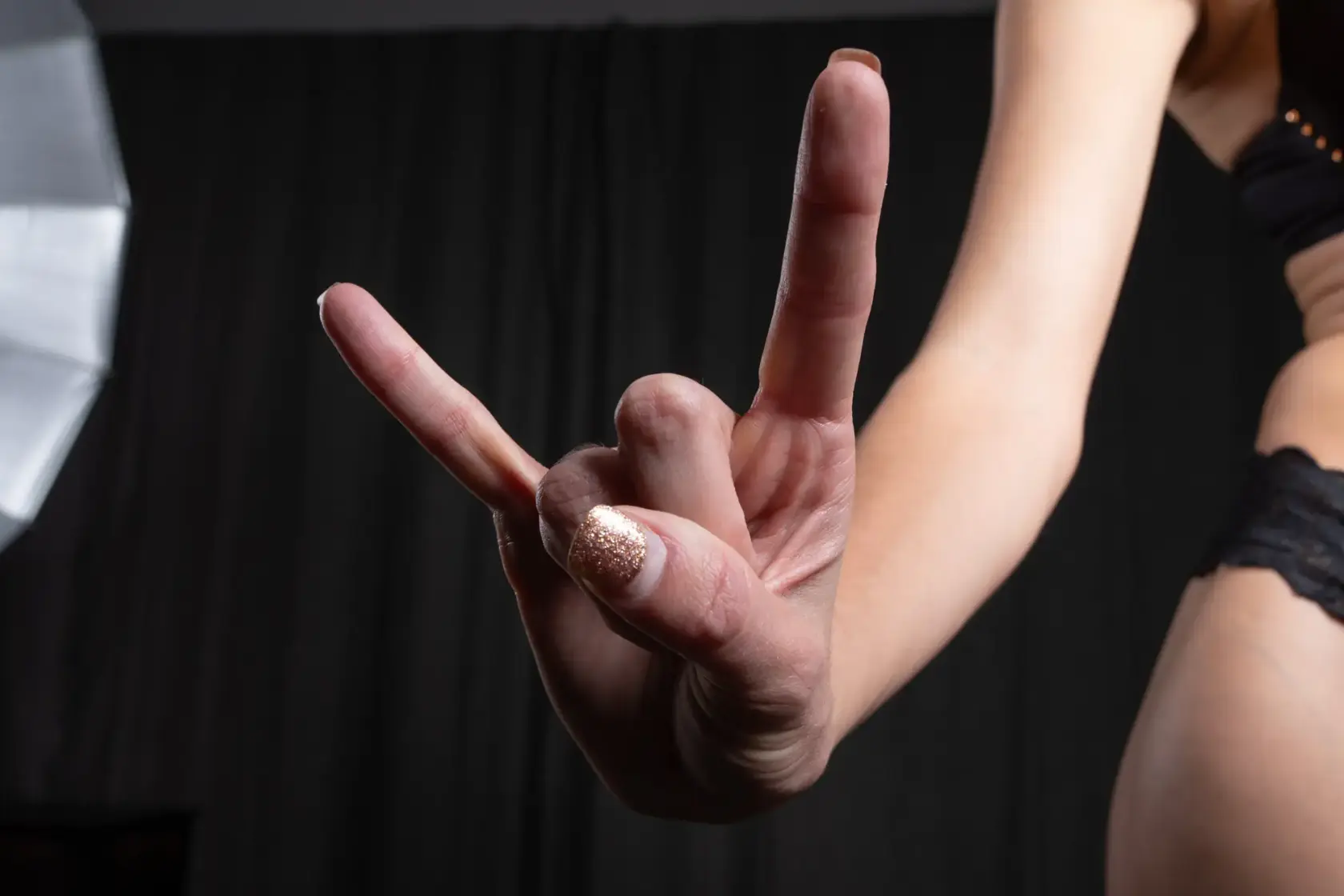
**credit to:** [**Reference.Pictures**](https://reference.pictures/)

[![Reference-Pictures_Hands_D-051 copy.webp](https://www.anatomyarchive.org/uploads/images/gallery/2025-09/scaled-1680-/reference-pictures-hands-d-051-copy.webp)](https://www.anatomyarchive.org/uploads/images/gallery/2025-09/reference-pictures-hands-d-051-copy.webp)
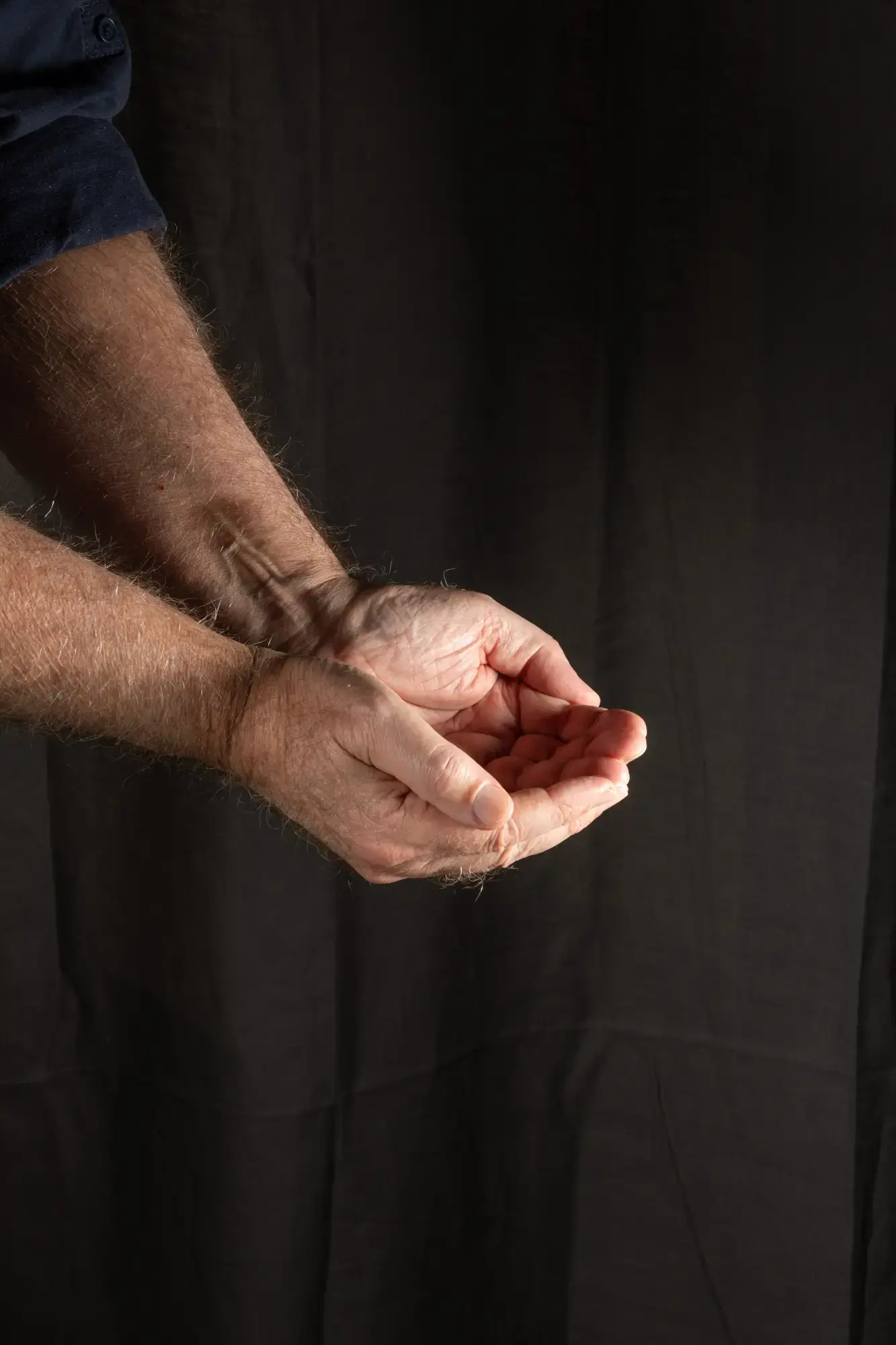
**credit to:** [**Reference.Pictures**](https://reference.pictures/)

[![Reference-Pictures_Hands_J-033 copy.webp](https://www.anatomyarchive.org/uploads/images/gallery/2025-09/scaled-1680-/reference-pictures-hands-j-033-copy.webp)](https://www.anatomyarchive.org/uploads/images/gallery/2025-09/reference-pictures-hands-j-033-copy.webp)
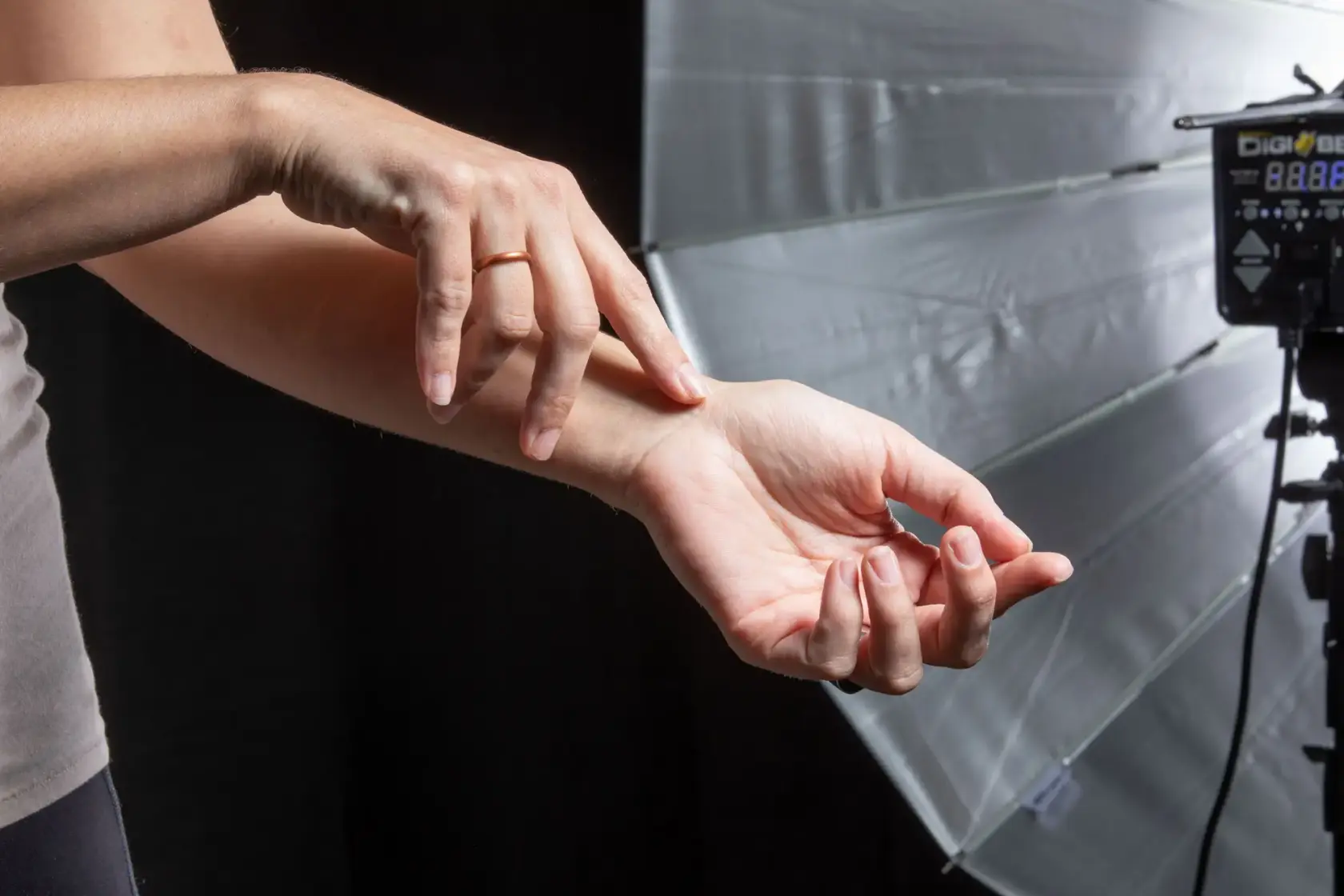
**credit to:** [**Reference.Pictures**](https://reference.pictures/)

[![Reference-Pictures_Hands_K-010 copy.webp](https://www.anatomyarchive.org/uploads/images/gallery/2025-09/scaled-1680-/reference-pictures-hands-k-010-copy.webp)](https://www.anatomyarchive.org/uploads/images/gallery/2025-09/reference-pictures-hands-k-010-copy.webp)
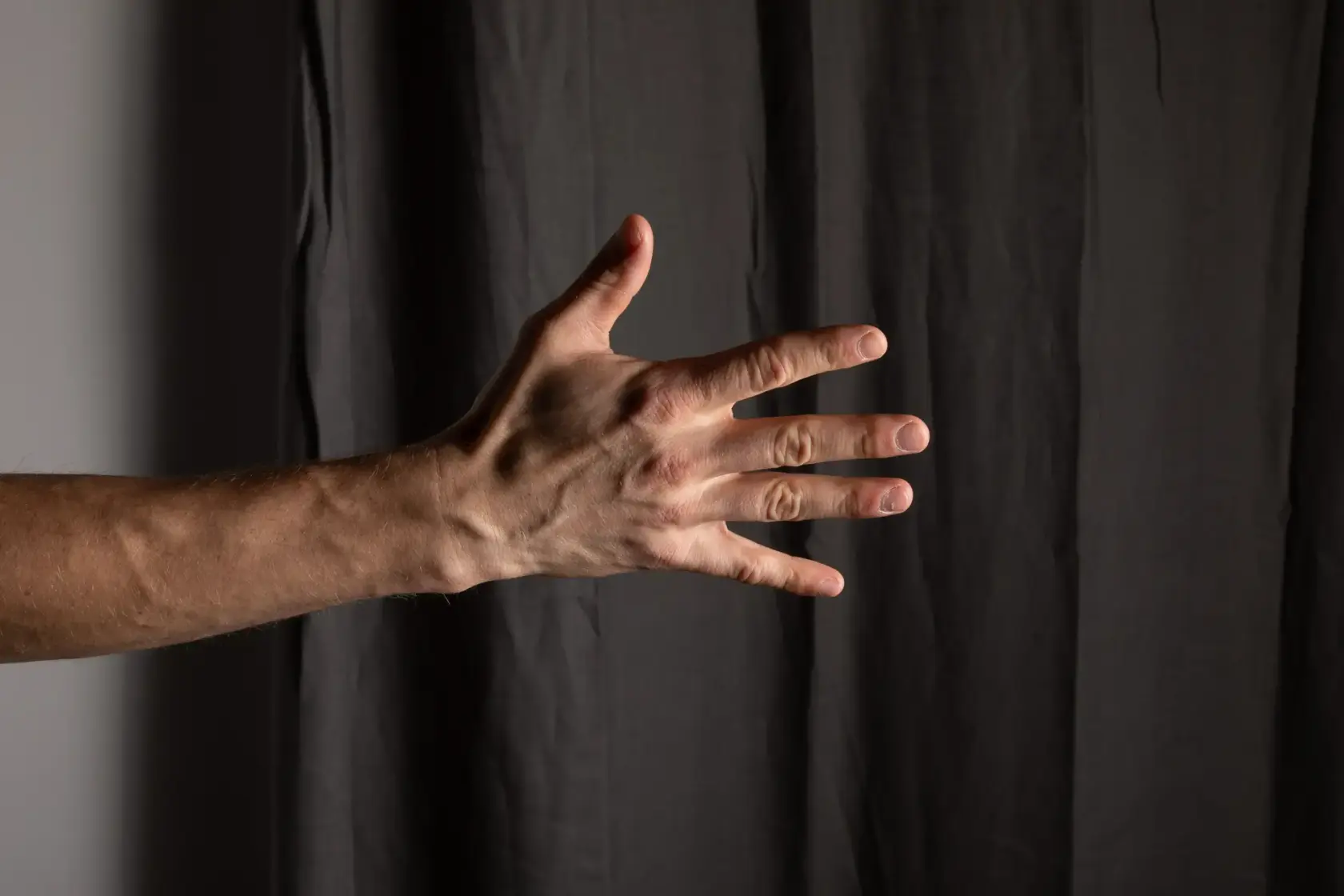
**credit to:** [**Reference.Pictures**](https://reference.pictures/)

[![Reference-Pictures_Hands_L-009 copy.webp](https://www.anatomyarchive.org/uploads/images/gallery/2025-09/scaled-1680-/reference-pictures-hands-l-009-copy.webp)](https://www.anatomyarchive.org/uploads/images/gallery/2025-09/scaled-1680-/reference-pictures-hands-l-009-copy.webp)
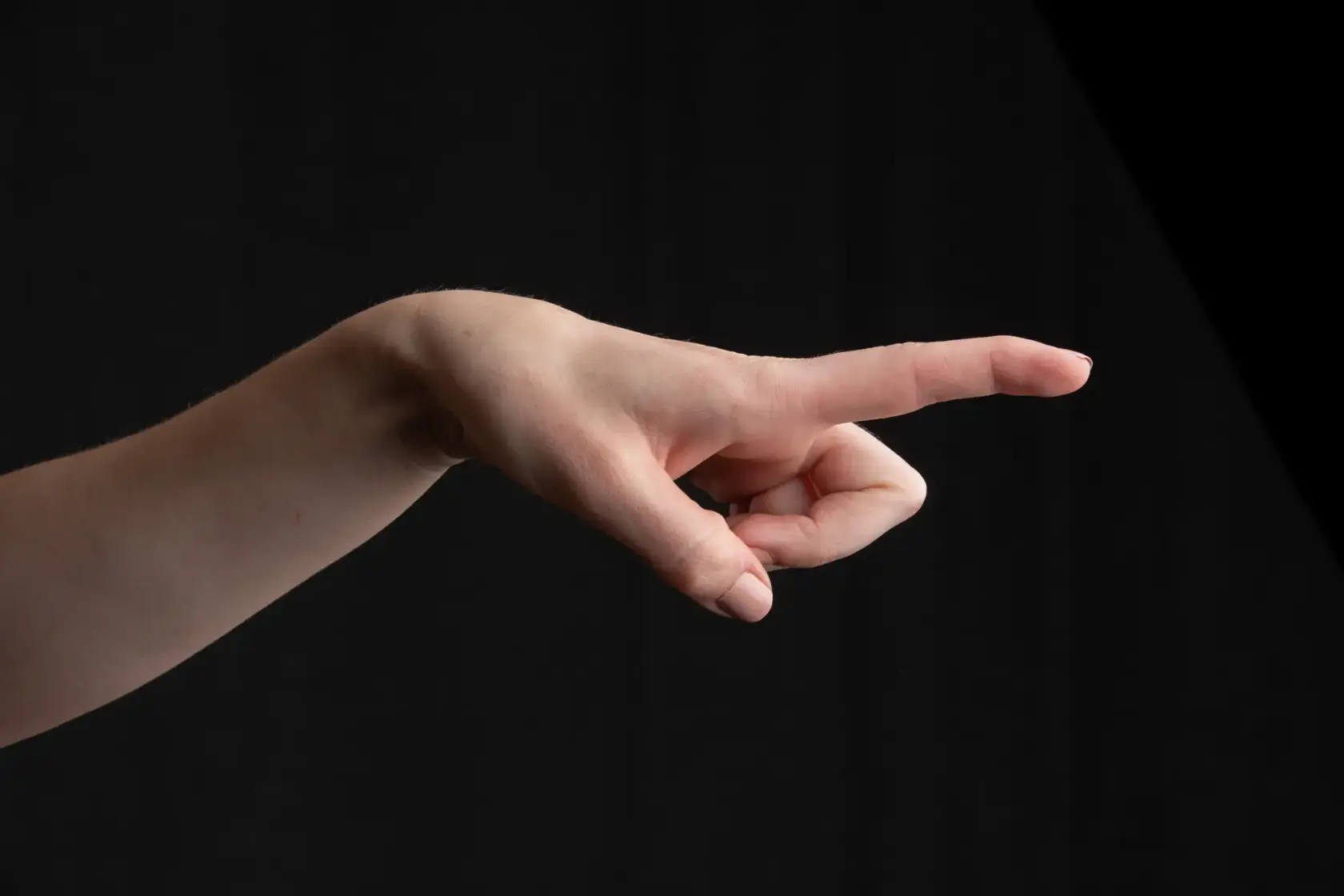
**credit to:** [**Reference.Pictures**](https://reference.pictures/)

[![Reference-Pictures_Hands-3735 copy.webp](https://www.anatomyarchive.org/uploads/images/gallery/2025-09/scaled-1680-/reference-pictures-hands-3735-copy.webp)](https://www.anatomyarchive.org/uploads/images/gallery/2025-09/scaled-1680-/reference-pictures-hands-3735-copy.webp)
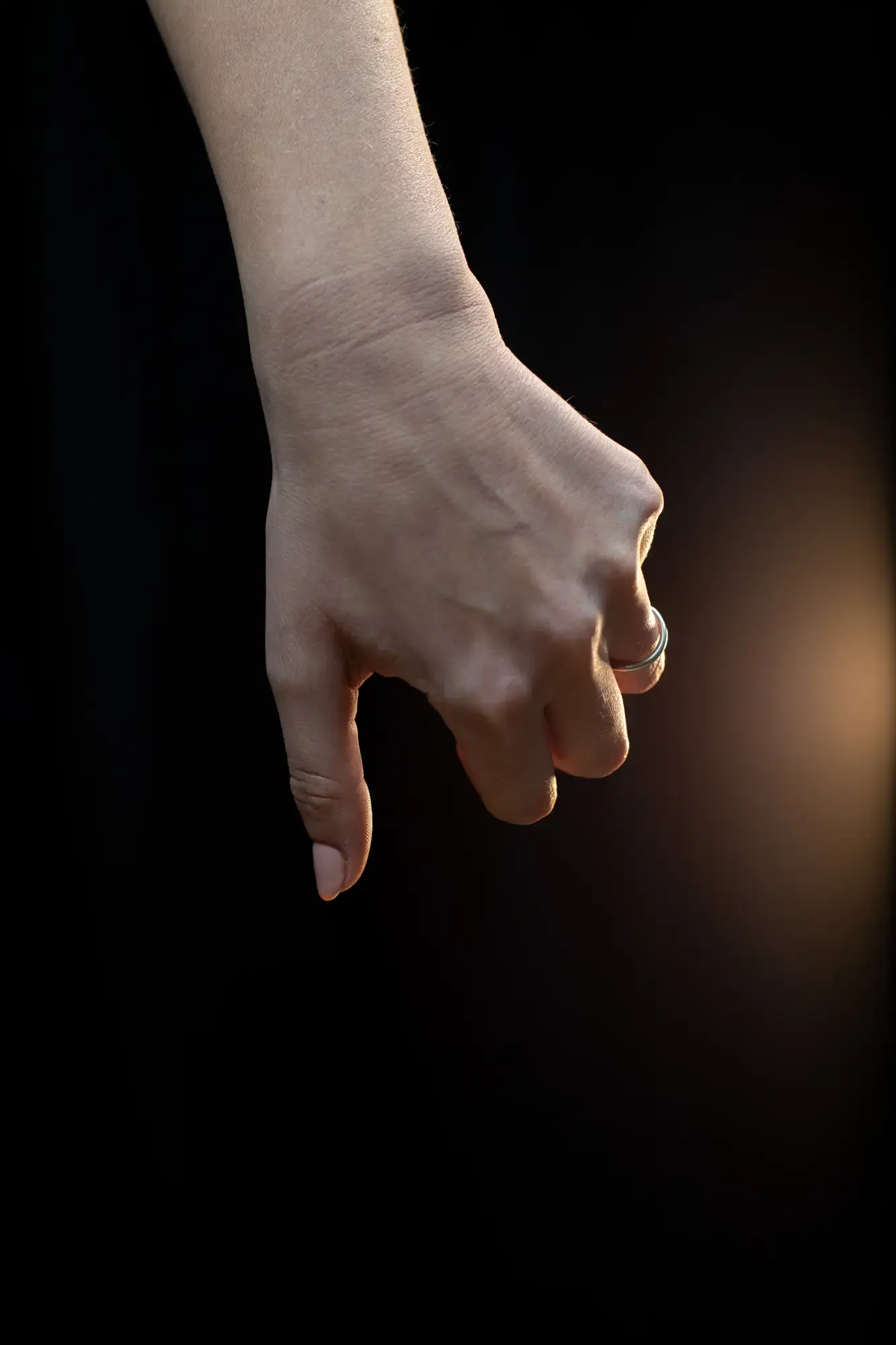
**credit to:** [**Reference.Pictures**](https://reference.pictures/)

[![Reference-Pictures_Hands_J-033 copy.webp](https://www.anatomyarchive.org/uploads/images/gallery/2025-09/scaled-1680-/jCbreference-pictures-hands-j-033-copy.webp)](https://www.anatomyarchive.org/uploads/images/gallery/2025-09/jCbreference-pictures-hands-j-033-copy.webp)
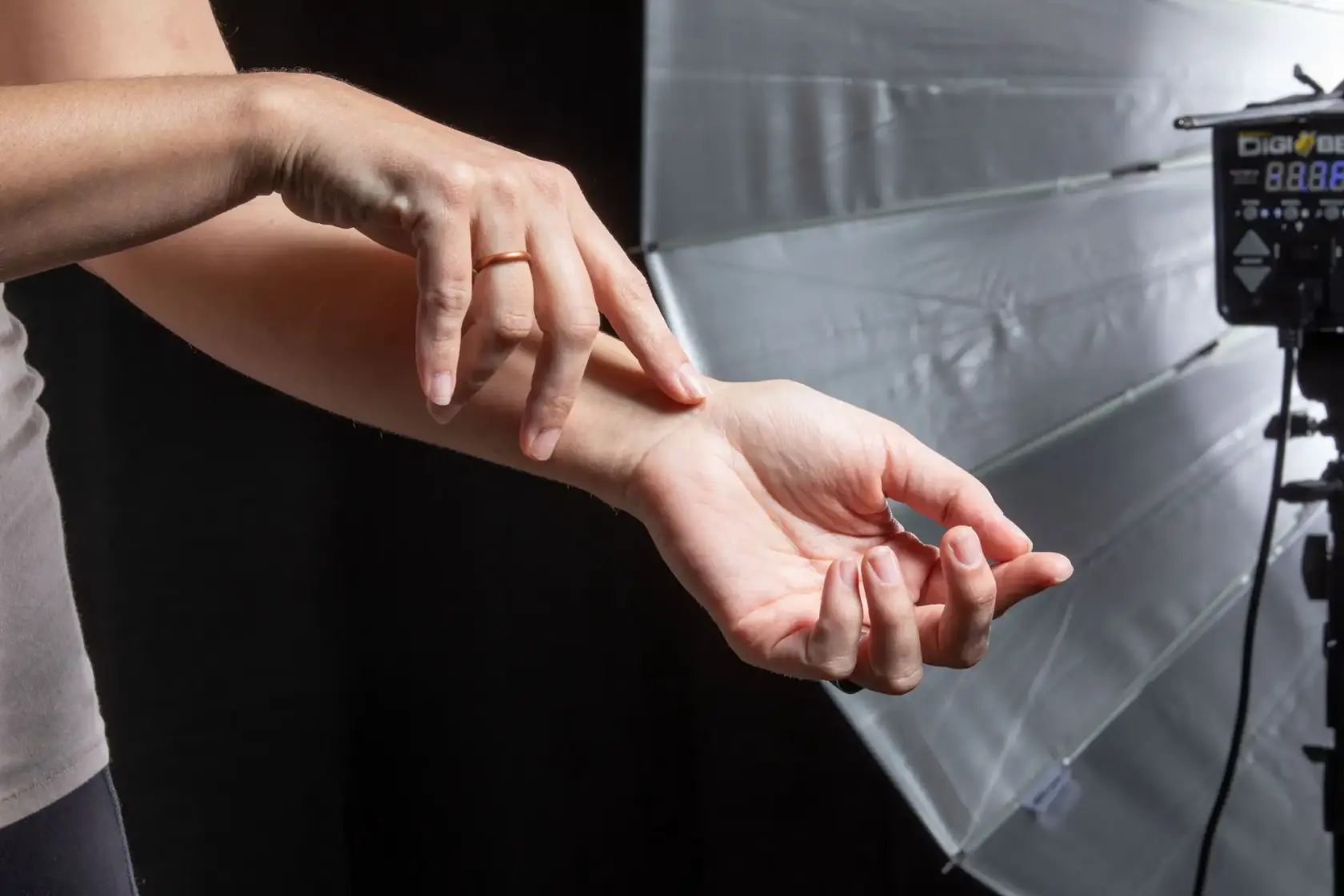
**credit to:** [**Reference.Pictures**](https://reference.pictures/)

[![Reference-Pictures_Hands_V-034 copy.webp](https://www.anatomyarchive.org/uploads/images/gallery/2025-09/scaled-1680-/reference-pictures-hands-v-034-copy.webp)](https://www.anatomyarchive.org/uploads/images/gallery/2025-09/scaled-1680-/reference-pictures-hands-v-034-copy.webp)
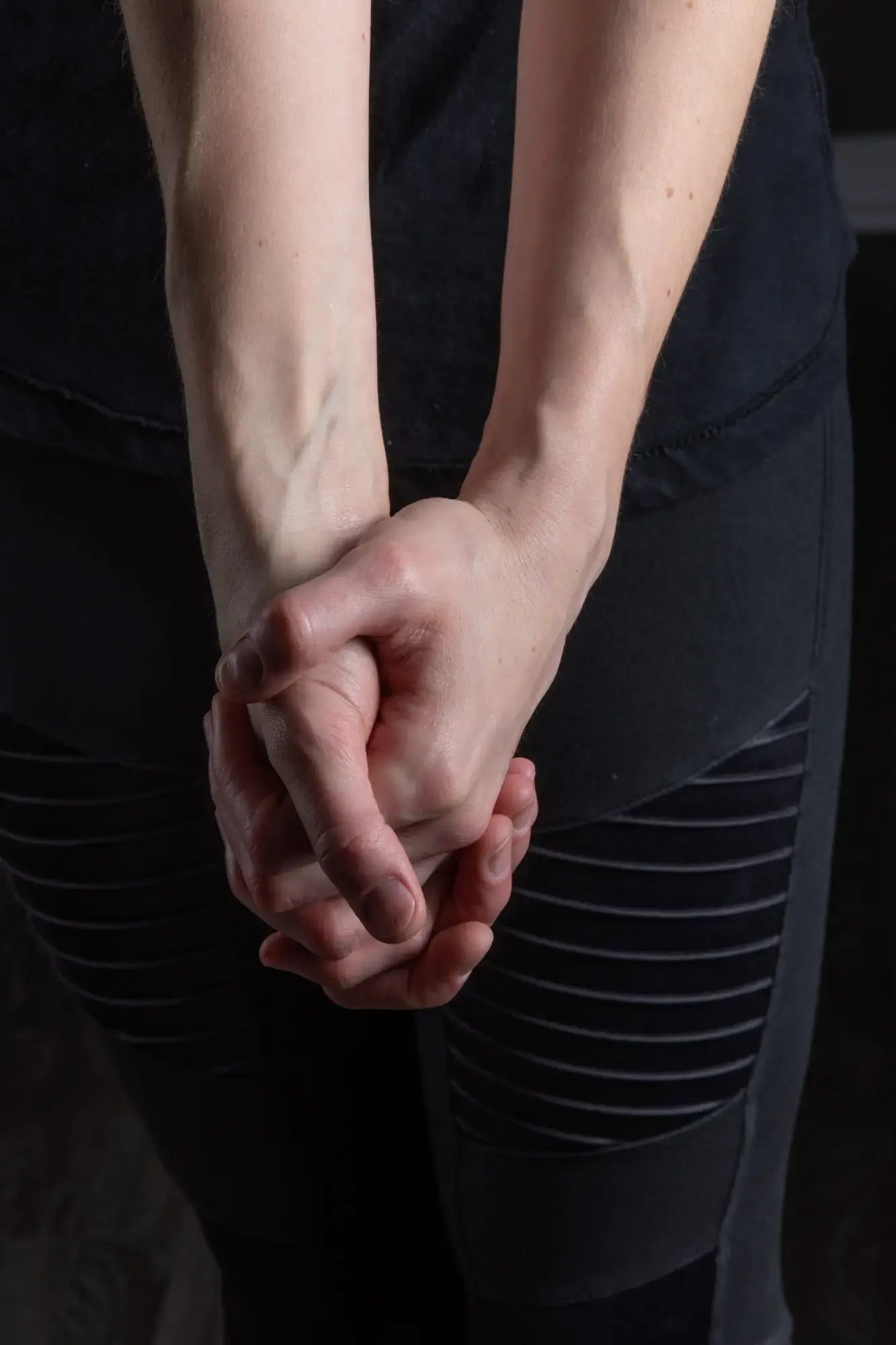
**credit to:** [**Reference.Pictures**](https://reference.pictures/)

[![Reference-Pictures_Hands-3712 copy.webp](https://www.anatomyarchive.org/uploads/images/gallery/2025-09/scaled-1680-/reference-pictures-hands-3712-copy.webp)](https://www.anatomyarchive.org/uploads/images/gallery/2025-09/scaled-1680-/reference-pictures-hands-3712-copy.webp)
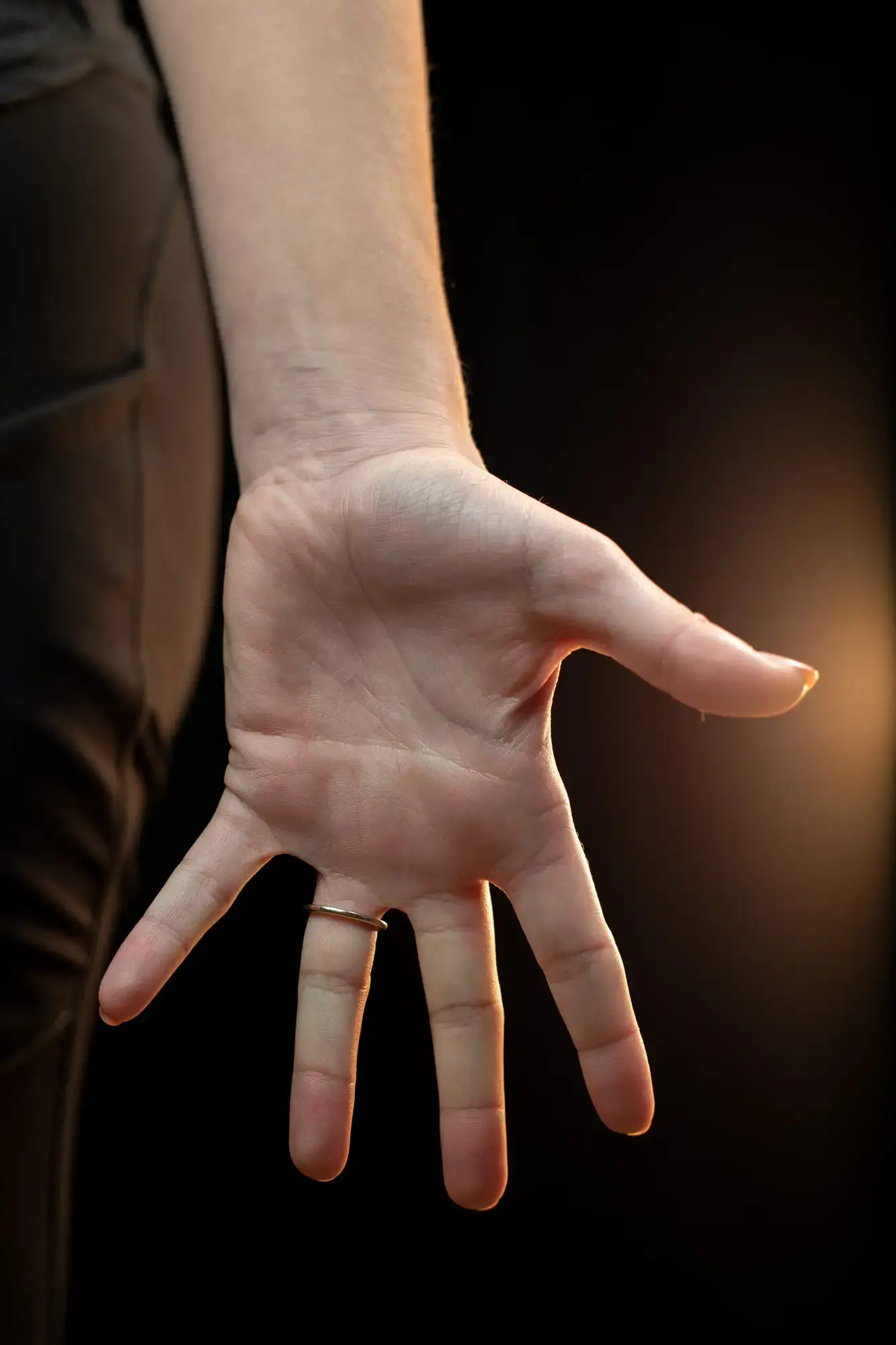
**credit to:** [**Reference.Pictures**](https://reference.pictures/)

</details>

# Arm (Permafrost)

<details id="bkmrk-this-line-will-be-vi"><summary>Preview:</summary>

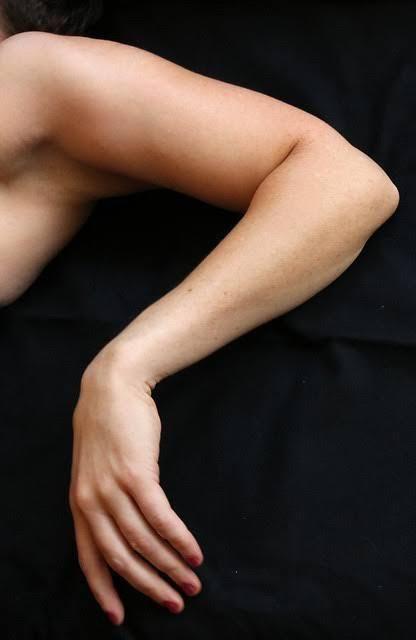
Everything you need to know about the arm. This page will teach you how to draw it with ease; from the shoulder to the wrist + some additional information about important muscles and joints.

</details>**Synonyms: Brachium; Humerus; Ulna; Upper limb; Antebrachium; Bicep; Forearm; Wrist; Radius; Shoulder; Upper arm; Lower arm; Tricep; Arm anatomy**

---

### **Summary**

The Arms (Brachium) are two upper body limbs that consist of three bones, three joints, and three main muscle groups each.

#### **Basics**

The arm is made up of the humerus (upper arm), radius, and ulna bones (both bones in the forearm). Major joints include the shoulder, elbow, and wrist. These joints allow the arm to stretch and contract.

[![1000009552.png](https://www.anatomyarchive.org/uploads/images/gallery/2025-09/scaled-1680-/1000009552.png)](https://www.anatomyarchive.org/uploads/images/gallery/2025-09/scaled-1680-/1000009552.png)

#### **Functions**

The human arm allows you to grab, throw, lift, push, and pull. The bicep contracts to lift the arm towards the shoulder, while the tricep is contracted to straighten the arm.

[![17590025647434046433972731646349.jpg](https://www.anatomyarchive.org/uploads/images/gallery/2025-09/scaled-1680-/17590025647434046433972731646349.jpg)](https://www.anatomyarchive.org/uploads/images/gallery/2025-09/17590025647434046433972731646349.jpg)

**source:** [**lybrate.com**](https://www.lybrate.com/)

### **Basic Shapes**

**To build an arm there are two important and simple shapes you should use.**

- Circle (shoulders)
- Cylinders (upper and lower arm)

The circle (shoulder) serves as a sort of hinge where the upper arm can connect to the torso.

The cylinders (upper and lower arm) ensure that the arms don't look floppy since they can also serve as place holders for where the bones should be. For the lower arm, one cylinder is also enough to give the arm proper structure.

<span style="color: rgb(0, 0, 0); background-color: rgb(241, 196, 15);">Reminder:</span><span style="white-space: pre-wrap;"> These shapes can vary is size depending on the body type being drawn.</span>

[![1000009578.png](https://www.anatomyarchive.org/uploads/images/gallery/2025-09/scaled-1680-/1000009578.png)](https://www.anatomyarchive.org/uploads/images/gallery/2025-09/scaled-1680-/1000009578.png)

### **Advanced**

<details id="bkmrk-everything-beyond-th"><summary>Everything beyond the basics</summary>

#### **Joints**

<span style="white-space: pre-wrap;">Shoulder (Ball and Socket): The shoulder can move in any direction including: forward, backwards (if you're flexible enough), up, and down. This makes it the most flexible joint in the human body! It is made up of 3 different bones: The clavicle (collar bone), the scapula (shoulder blade), and the humerus (upper arm). Together, these three bones form the </span>**shoulder girdle.**

Elbow (Hinge and Pivot): The elbow is the hinge point between the upper arm and the lower arm. The elbow should also stick out of the arm for extra definition

[![1000009684.png](https://www.anatomyarchive.org/uploads/images/gallery/2025-10/scaled-1680-/1000009684.png)](https://www.anatomyarchive.org/uploads/images/gallery/2025-10/scaled-1680-/1000009684.png)
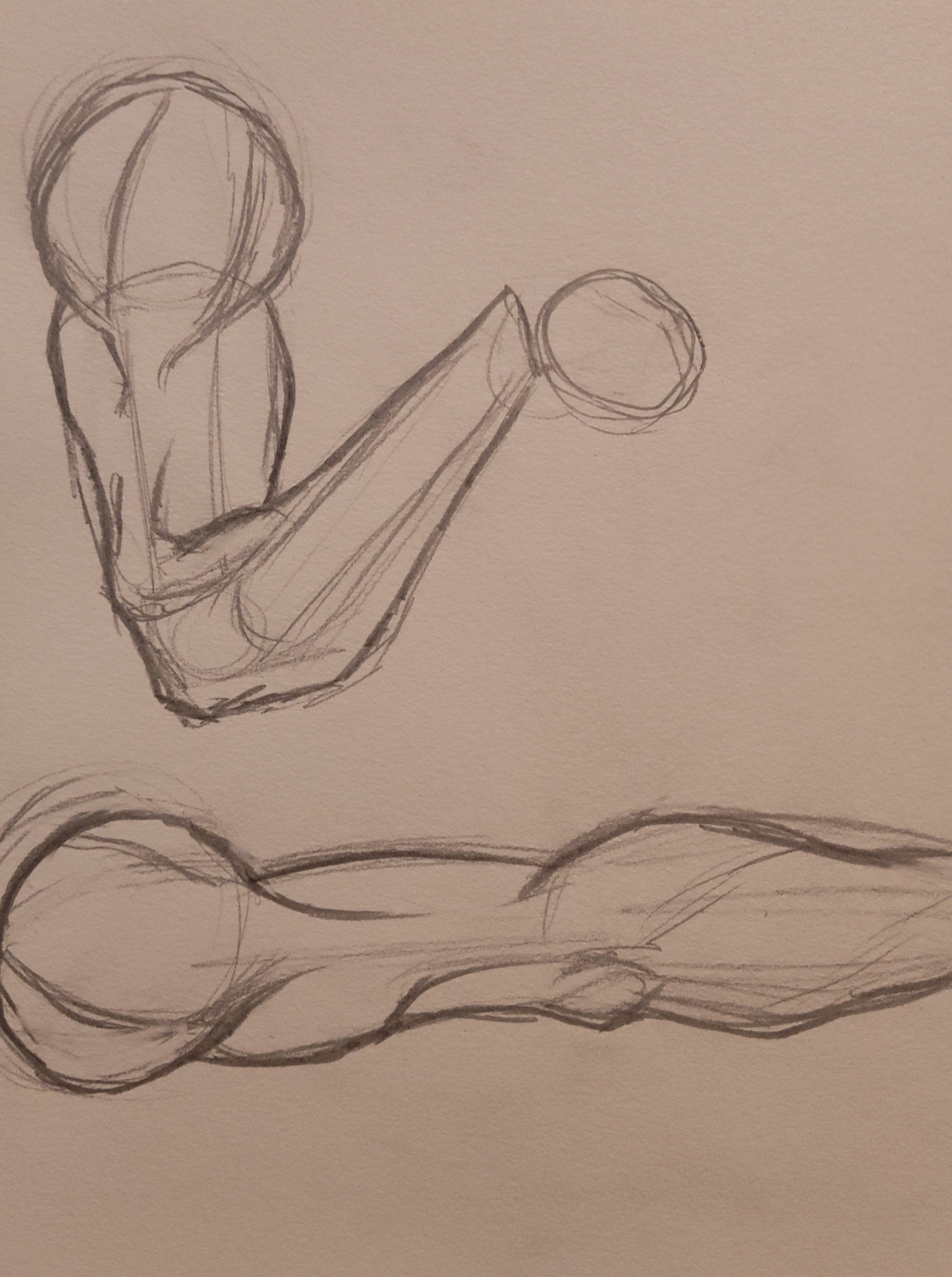
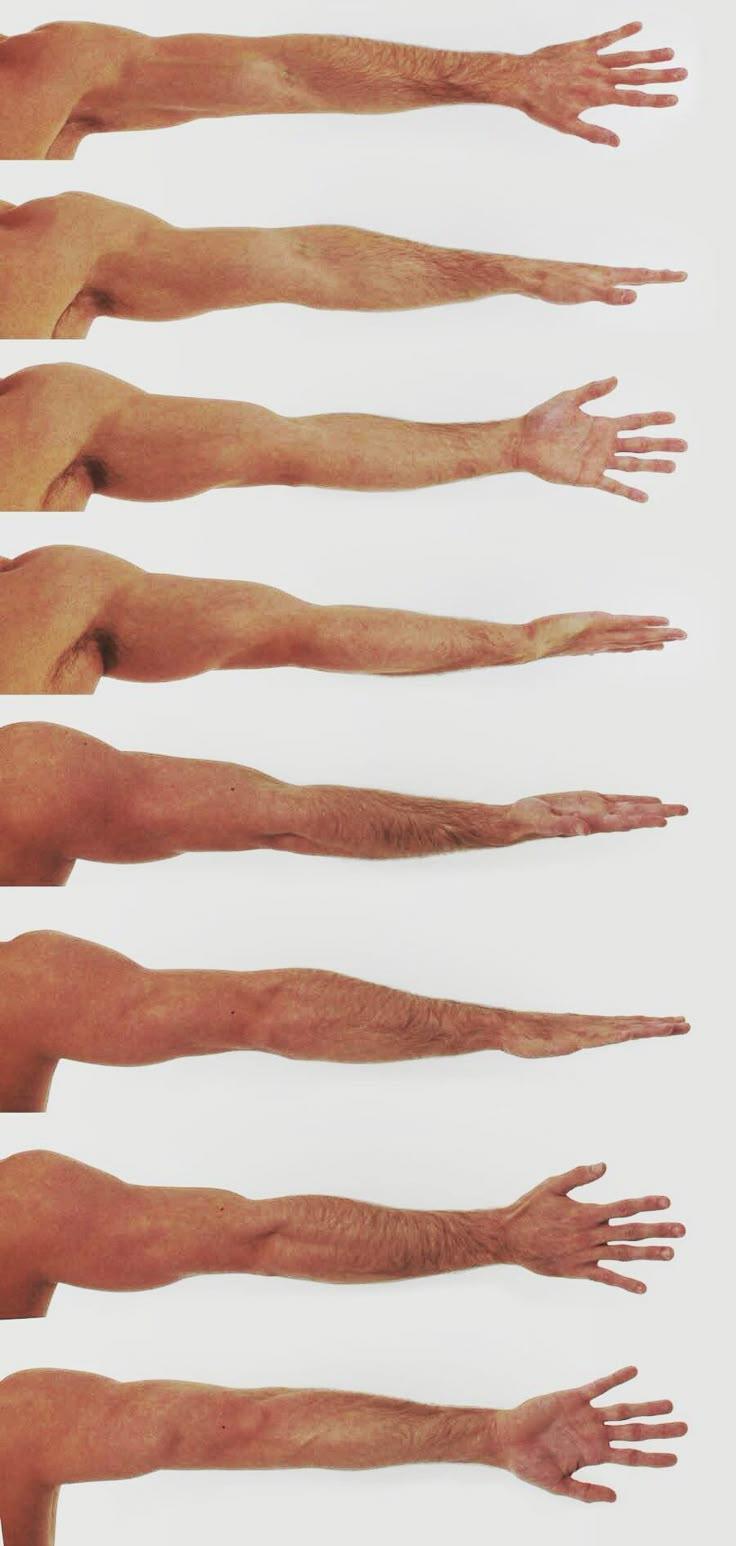
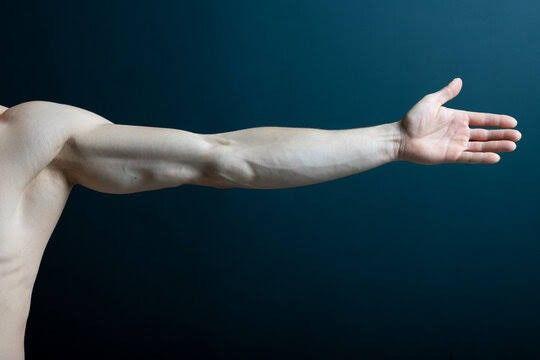
Wrist: The wrist (Carpus) is the joint between the hand and the lower arm (forearm). It allows complex motion and flexibility. The wrist is rarely in a straight position even in a resting pose. Be sure to give it atleast a slight tilt/curve when drawing it. The wrist should align with the radius bone and not with the center of the arm.

<span style="color: rgb(0, 0, 0); background-color: rgb(241, 196, 15);">Note:</span><span style="white-space: pre-wrap;"> The actual wrist does </span><u>NOT</u><span style="white-space: pre-wrap;"> twist. This motion comes from the </span><u>radius'</u><span style="white-space: pre-wrap;"> rotation under the </span><u>ulna</u><span style="white-space: pre-wrap;"> in the forearm. With that being said, most of the bending done in the wrist is moving the hand forward or backwards.</span>

</details>#### **Reference Pictures (for study only)**

  
<details id="bkmrk-refrence-pictures-%28f"><summary>Arm Reference Pictures</summary>

#### [![1000009687.jpg](https://www.anatomyarchive.org/uploads/images/gallery/2025-10/scaled-1680-/1000009687.jpg)](https://www.anatomyarchive.org/uploads/images/gallery/2025-10/scaled-1680-/1000009687.jpg)

[![1000009756.jpg](https://www.anatomyarchive.org/uploads/images/gallery/2025-10/scaled-1680-/1000009756.jpg)](https://www.anatomyarchive.org/uploads/images/gallery/2025-10/scaled-1680-/1000009756.jpg)
[![1000009759.jpg](https://www.anatomyarchive.org/uploads/images/gallery/2025-10/scaled-1680-/1000009759.jpg)](https://www.anatomyarchive.org/uploads/images/gallery/2025-10/scaled-1680-/1000009759.jpg)
[![1000009757.jpg](https://www.anatomyarchive.org/uploads/images/gallery/2025-10/scaled-1680-/1000009757.jpg)](https://www.anatomyarchive.org/uploads/images/gallery/2025-10/scaled-1680-/1000009757.jpg)
[![1000009686.jpg](https://www.anatomyarchive.org/uploads/images/gallery/2025-10/scaled-1680-/1000009686.jpg)](https://www.anatomyarchive.org/uploads/images/gallery/2025-10/scaled-1680-/1000009686.jpg)
</details>

# Muscles

# Deltoid (AGoodName)

<details id="bkmrk-this-line-will-be-vi"><summary>Preview:</summary>

If yall have baby art brains don't be ashamed embrace it! We all start somewhere! What you'll find in this page is my best simplification of the deltoid. If your just starting your anatomy journey I wish you the best of luck! (:

</details>**Synonyms: Musculus deltoideus; Deltoid muscle; Shoulder; Shoulder muscle; Arm; Triangular muscle**

---

### **Summary**

<span style="color: rgb(170, 170, 170); background-color: rgb(34, 34, 34); white-space: pre-wrap;">The deltoid is a </span>**triangular muscle that wraps around the shoulder**<span style="color: rgb(170, 170, 170); background-color: rgb(34, 34, 34); white-space: pre-wrap;"> giving the shoulder a rounded shape. It main use is moving the arm in various directions and it also adds stability to the shoulder joint. it is a very useful landmark when studying the arm.</span><span style="white-space: pre-wrap;"> The deltoid comes from the Greek word delta. I want you to take a wild guess of what delta means, if you guessed triangle you are correct!</span>

#### **Basics**

[![0.jpg](https://www.anatomyarchive.org/uploads/images/gallery/2025-08/scaled-1680-/0.jpg)](https://www.anatomyarchive.org/uploads/images/gallery/2025-08/scaled-1680-/0.jpg)

#### **Origin and Insertion**

<span style="color: rgb(170, 170, 170); background-color: rgb(34, 34, 34);">The deltoid starts at the spine of the scapula and it wraps around to the clavicle. Its three heads all intersect and attach to the middle of the humerus</span>

[![unnamed.jpg](https://www.anatomyarchive.org/uploads/images/gallery/2025-08/scaled-1680-/unnamed.jpg)](https://www.anatomyarchive.org/uploads/images/gallery/2025-08/scaled-1680-/unnamed.jpg)

#### **Functions**

<span style="color: rgb(170, 170, 170); background-color: rgb(34, 34, 34);">The middle head of the deltoid helps the arm move to the side. The front and back heads of the deltoid help move the arm back and forward. It also adds stabilization to the shoulder joint so you can lift heavier weights.</span>

#### **How to draw the muscle**

<span style="color: rgb(170, 170, 170); background-color: rgb(34, 34, 34); white-space: pre-wrap;">There are infinite ways to draw anatomy this is one way to break it down. You can think the deltoid is like a box and you have to cut the box in triangular shape in order to get a more defined deltoid. Another way to think about the deltoid is thinking about in </span>**gestural curves**<span style="color: rgb(170, 170, 170); background-color: rgb(34, 34, 34);">. You can use a straight line or a</span> <span style="color: rgb(170, 170, 170); background-color: rgb(34, 34, 34); white-space: pre-wrap;">C curve for the top of the deltoid, and for the sides can be broken down into a S curve or a straight and C curve. </span>**Important thing to remember is the deltoid wraps around the the shoulder**

[![How to draw the deltoid muscle](https://www.anatomyarchive.org/uploads/images/gallery/2025-08/scaled-1680-/9dLunnamed.jpg)](https://www.anatomyarchive.org/uploads/images/gallery/2025-08/scaled-1680-/9dLunnamed.jpg)

### **Advanced**

<details id="bkmrk-everything-beyond-th"><summary>Everything beyond the basics</summary>

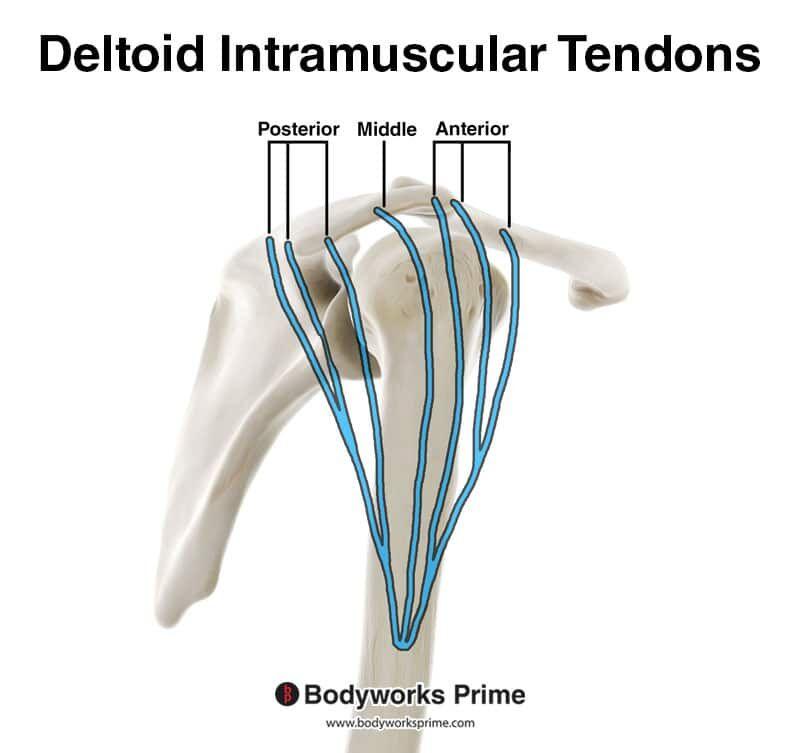
If you want to learn more about the deltoid, you should research the muscle fibers of the deltoid. The muscle fibers of the deltoid can be broken down into three separate parts. The anterior which originates from the clavicle, the middle originates from acromion process, and the posterior originates from the spine of the scapula. Each of the fibers have there own movements. The anterior fibers help you raise your arm forward rotating the arm. The middle fibers help move the arm away from the body. The posterior help move the arm backward. And together they work like a happy functional family! Next time your mom ask you to get the milk from the car you can thank your deltoid for helping you stabilize your shoulder blade and also help you lift the heavy milk into the fridge!

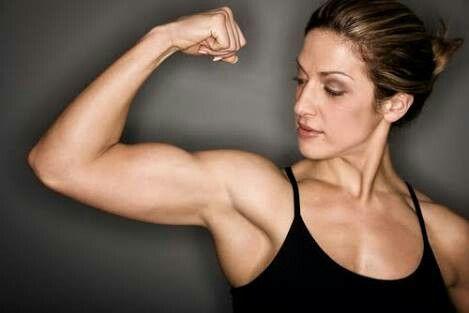
Another thing to research are the tendons. The tendons are super glue of the body, they stick the muscle fibers to the bones and help stabilize our creaky joints. When you see a person with small percentage of body fat you can see the separation of the three heads. Optional, but I want you search up muscular arms and I want you to try to look for the separation of the three heads.

[![deltoid-intramuscular-tendons.jpg](https://www.anatomyarchive.org/uploads/images/gallery/2025-09/scaled-1680-/deltoid-intramuscular-tendons.jpg)](https://www.anatomyarchive.org/uploads/images/gallery/2025-09/scaled-1680-/deltoid-intramuscular-tendons.jpg)
</details>#### **Reference Pictures (for study only)**

<details id="bkmrk-from-grafit-studio%2C-"><summary>From Grafit Studio, Pixabay</summary>

[![7bbfc82c1ec6ebf7e8c67fbfd5c2467a.jpg](https://www.anatomyarchive.org/uploads/images/gallery/2025-09/scaled-1680-/7bbfc82c1ec6ebf7e8c67fbfd5c2467a.jpg)](https://www.anatomyarchive.org/uploads/images/gallery/2025-09/scaled-1680-/7bbfc82c1ec6ebf7e8c67fbfd5c2467a.jpg)

[![Reference-Pictures_Dramatic-Figure-Lighting-3330 copy.webp](https://www.anatomyarchive.org/uploads/images/gallery/2025-08/scaled-1680-/reference-pictures-dramatic-figure-lighting-3330-copy.webp)](https://www.anatomyarchive.org/uploads/images/gallery/2025-08/scaled-1680-/reference-pictures-dramatic-figure-lighting-3330-copy.webp)

**credit to:** [**Reference.Pictures**](https://reference.pictures/)

[![3b9cdbd6be3cad98315ce4ca999cc8fe.jpg](https://www.anatomyarchive.org/uploads/images/gallery/2025-09/scaled-1680-/3b9cdbd6be3cad98315ce4ca999cc8fe.jpg)](https://www.anatomyarchive.org/uploads/images/gallery/2025-09/scaled-1680-/3b9cdbd6be3cad98315ce4ca999cc8fe.jpg)
[![fc60e7eeffb12dde083e144c8dd7372b.jpg](https://www.anatomyarchive.org/uploads/images/gallery/2025-09/scaled-1680-/fc60e7eeffb12dde083e144c8dd7372b.jpg)](https://www.anatomyarchive.org/uploads/images/gallery/2025-09/scaled-1680-/fc60e7eeffb12dde083e144c8dd7372b.jpg)
[![man-2378993_1280.jpg](https://www.anatomyarchive.org/uploads/images/gallery/2025-05/scaled-1680-/man-2378993-1280.jpg)](https://www.anatomyarchive.org/uploads/images/gallery/2025-05/scaled-1680-/man-2378993-1280.jpg)
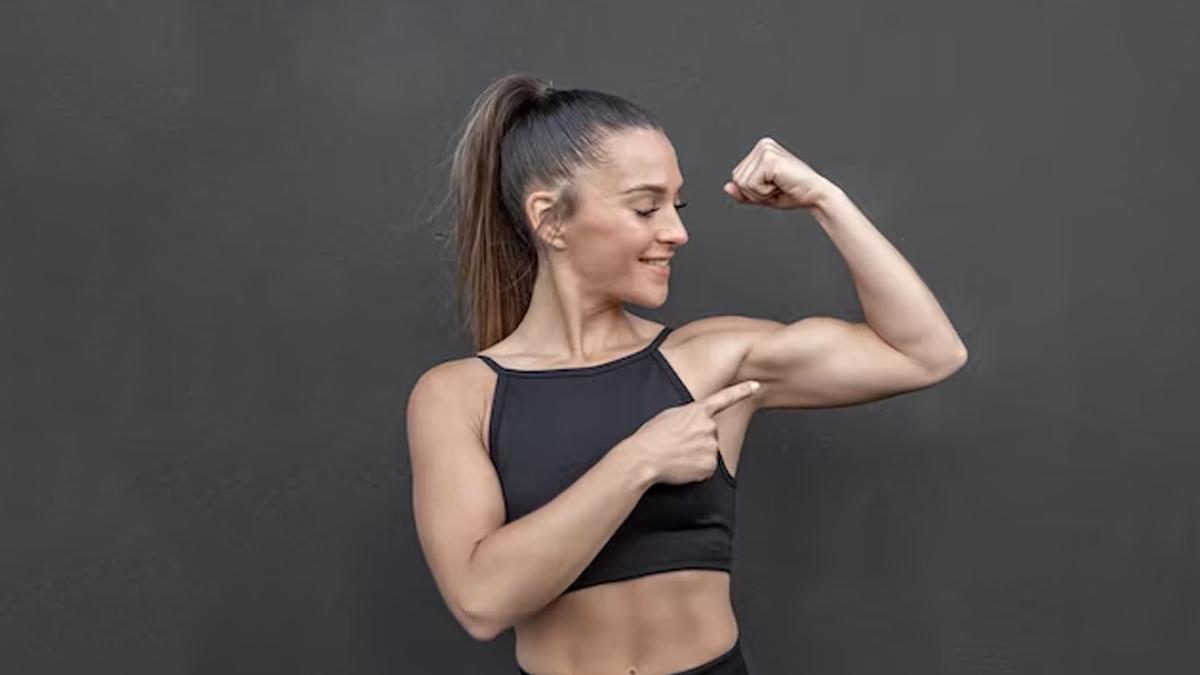
[![Main-toned-arms.jpg](https://www.anatomyarchive.org/uploads/images/gallery/2025-09/scaled-1680-/main-toned-arms.jpg)](https://www.anatomyarchive.org/uploads/images/gallery/2025-09/scaled-1680-/main-toned-arms.jpg)
[![Grafit-Sample-027.jpg](https://www.anatomyarchive.org/uploads/images/gallery/2025-09/scaled-1680-/ZIWgrafit-sample-027.jpg)](https://www.anatomyarchive.org/uploads/images/gallery/2025-09/scaled-1680-/ZIWgrafit-sample-027.jpg)
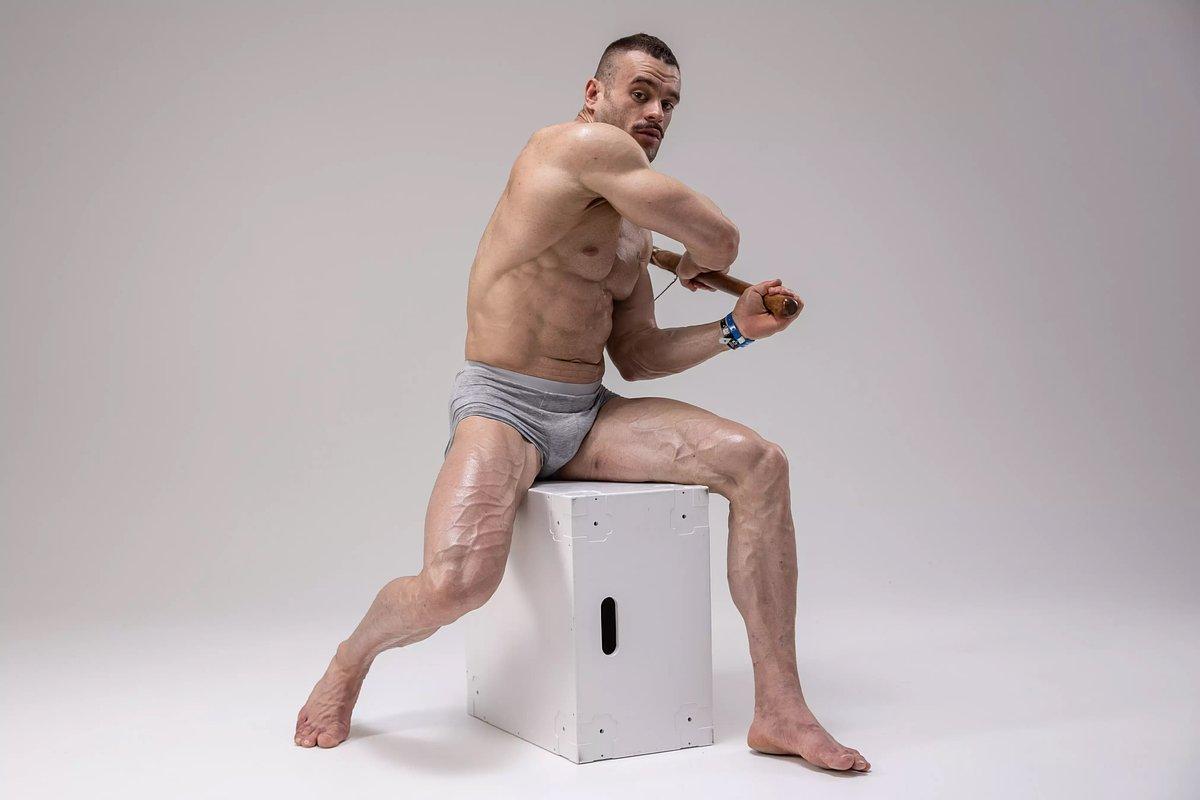
**credit to:** [**Grafit Studio**](https://www.artstation.com/grafit/store?tab=digital_product)

[![Grafit-Sample-001.jpg](https://www.anatomyarchive.org/uploads/images/gallery/2025-09/scaled-1680-/grafit-sample-001.jpg)](https://www.anatomyarchive.org/uploads/images/gallery/2025-09/scaled-1680-/grafit-sample-001.jpg)
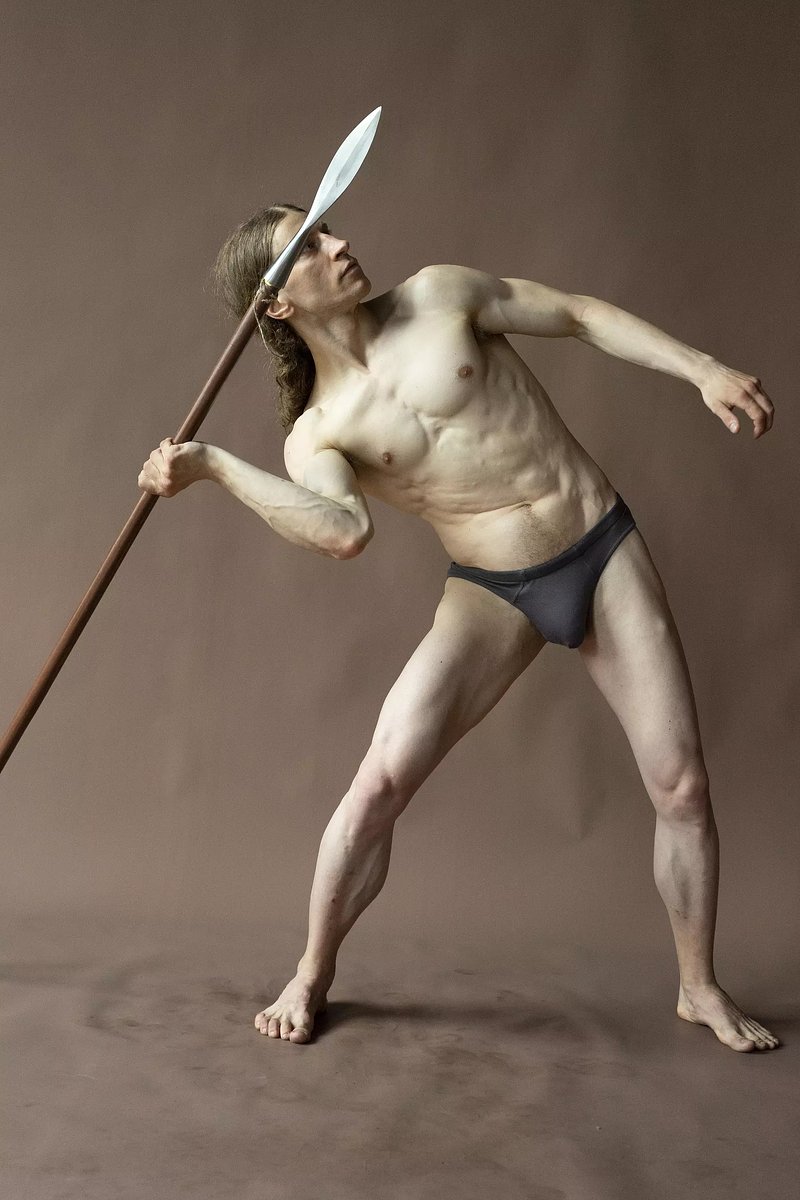
**credit to:** [**Grafit Studio**](https://www.artstation.com/grafit/store?tab=digital_product)

[![Grafit-Sample-020.jpg](https://www.anatomyarchive.org/uploads/images/gallery/2025-09/scaled-1680-/grafit-sample-020.jpg)](https://www.anatomyarchive.org/uploads/images/gallery/2025-09/scaled-1680-/grafit-sample-020.jpg)
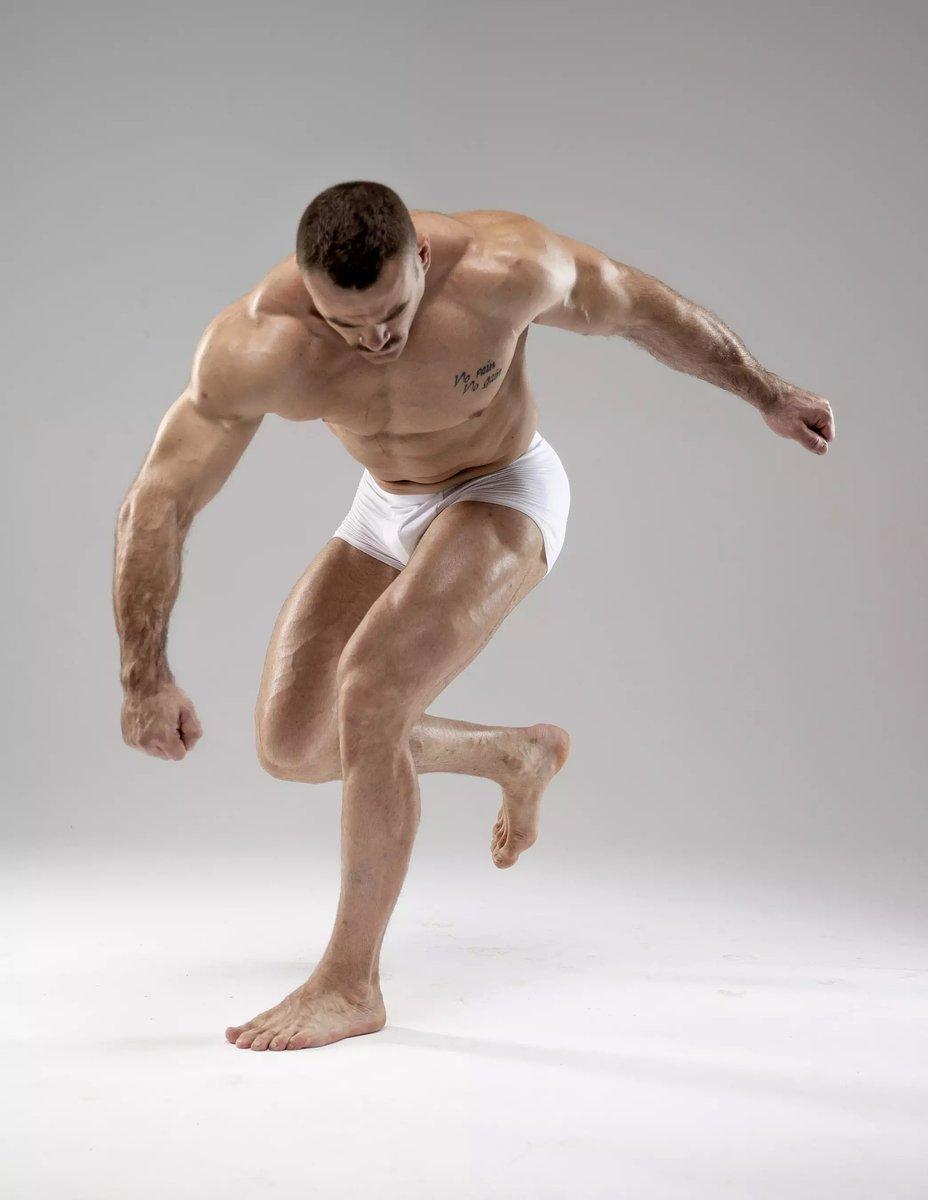
**credit to:** [**Grafit Studio**](https://www.artstation.com/grafit/store?tab=digital_product)

[![Grafit-Sample-044.jpg](https://www.anatomyarchive.org/uploads/images/gallery/2025-09/scaled-1680-/grafit-sample-044.jpg)](https://www.anatomyarchive.org/uploads/images/gallery/2025-09/scaled-1680-/grafit-sample-044.jpg)
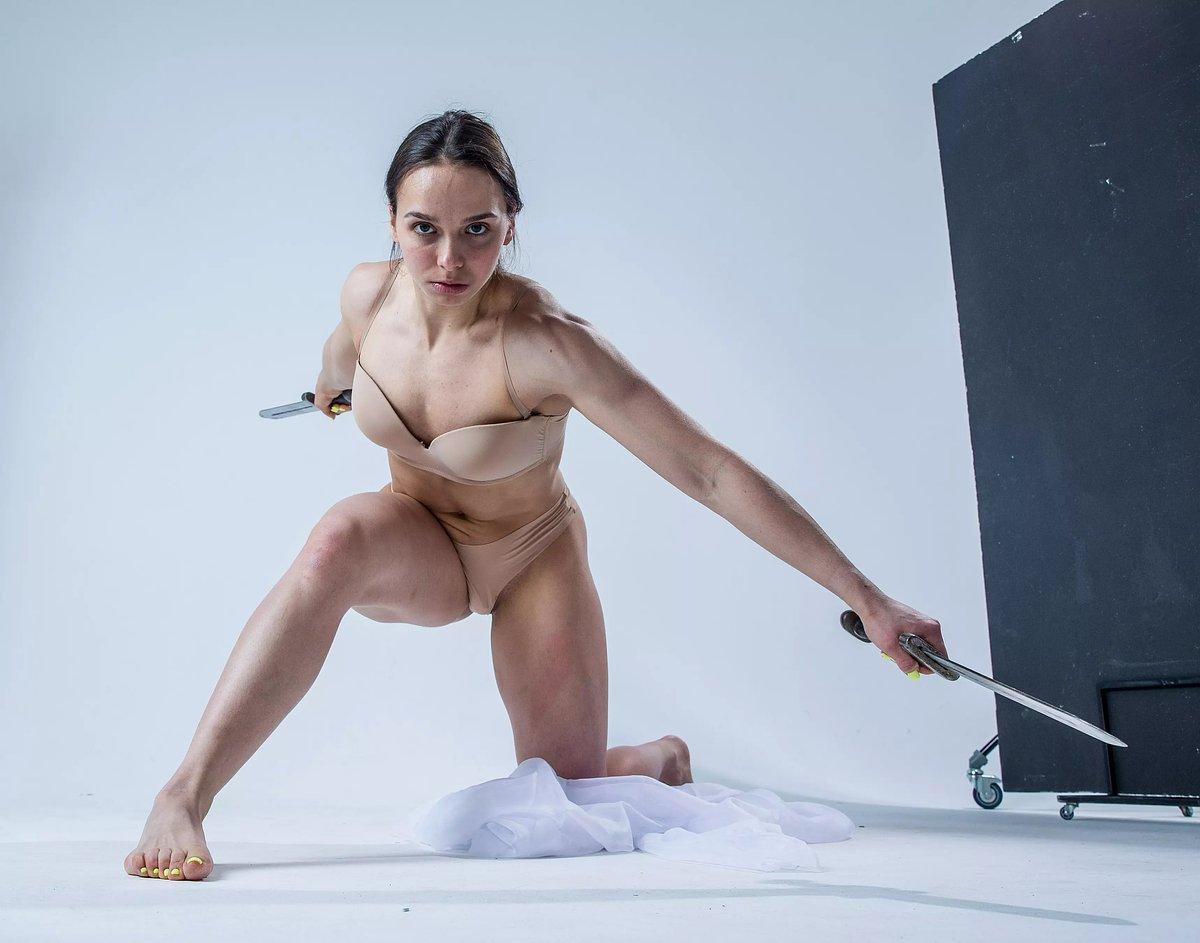
**credit to:** [**Grafit Studio**](https://www.artstation.com/grafit/store?tab=digital_product)

[![Grafit-Sample-002.jpg](https://www.anatomyarchive.org/uploads/images/gallery/2025-09/scaled-1680-/grafit-sample-002.jpg)](https://www.anatomyarchive.org/uploads/images/gallery/2025-09/scaled-1680-/grafit-sample-002.jpg)
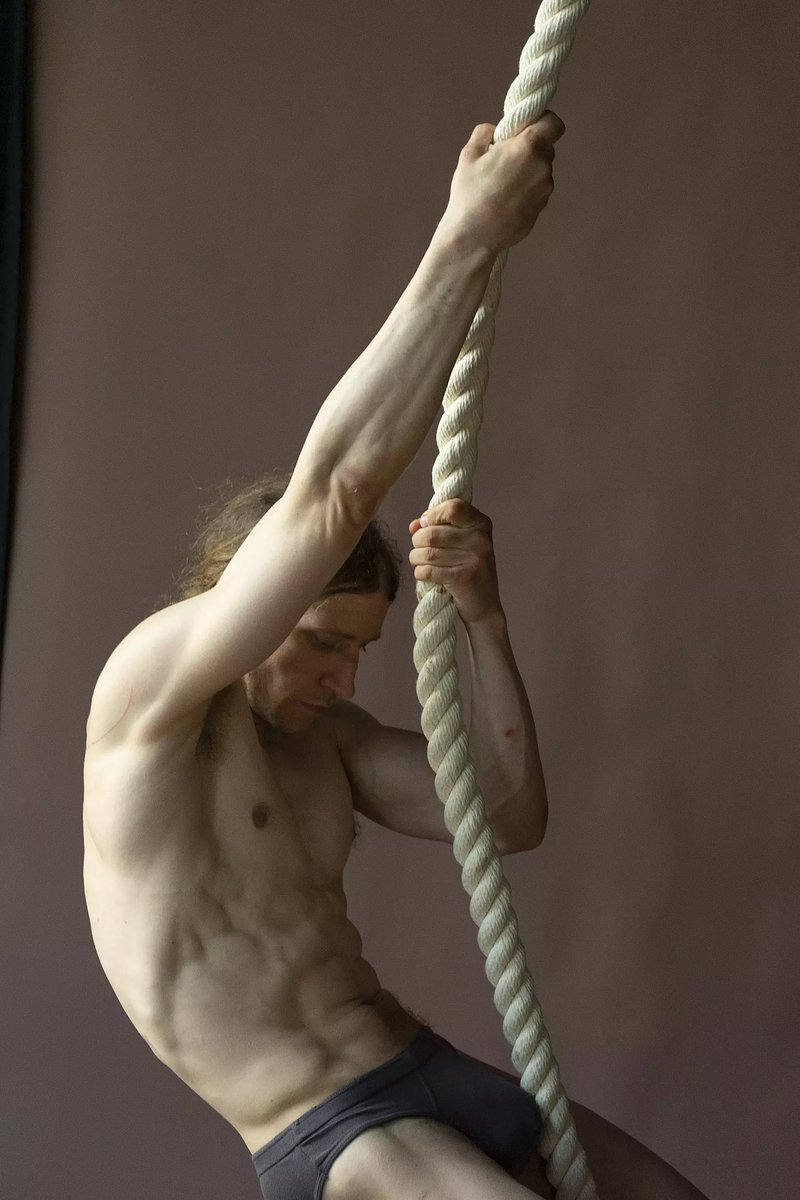
**credit to:** [**Grafit Studio**](https://www.artstation.com/grafit/store?tab=digital_product)

</details>

# Bicep (AGoodName)

<details id="bkmrk-this-line-will-be-vi"><summary>Preview:</summary>

The bicep imo is the best landmark for finding were to place the surrounding upper arm muscles and the lower ones too!

</details>**Synonyms: Biceps muscle; Musculus biceps brachii, Arm, Upper arm muscle**

---

### **Summary**

<span style="white-space: pre-wrap;">The Bicep or </span>**the Bicep Brachii is a staple for all the gym bros across the globe**<span style="white-space: pre-wrap;">. The bicep can be broken into </span>**a long head and a short head**<span style="white-space: pre-wrap;">. Both the heads </span>**originate for different parts of the scapula**. If you want to be all fancy the long head starts from the supraglenoid tubercle and the short head starts at the coracoid process. They converge and attach to the radius. All though gym bros think biceps are making them look all ripped they have much more significate use. Have you wondered how you can move your arm forward to twist door nob. Well you can say thank you to your bicep for that one!

<span style="white-space: pre-wrap;">Side note Idk who decided to make the most unpronounceable names ever but </span>**here is how you pronounce them**:  
**(***coracoid***<span style="white-space: pre-wrap;">: </span>**Kaw-ruh-coyd) (***supraglenoid***: soo-pruh-glee-noyd;* **tubercle***: too-bur-khul)**

#### **Basics**

![unnamed.jpg](https://www.anatomyarchive.org/uploads/images/gallery/2025-09/scaled-1680-/oyTunnamed.jpg)#### **Origin**

<span style="white-space: pre-wrap;">The long head of the bicep originates from the supraglenoid tubercle and it verges with the short head to the radius. The short head orgonites from coracoid process. </span>

**Pronunciation above^**

#### **Insertion**

<span style="white-space: pre-wrap;">The insertion of the bicep is the radius or if you want to get all fancy the radial tuberosity. When the arm is supinated the bicep is flexed when its pronated the bicep is stretchered. </span>

![unnamed.jpg](https://www.anatomyarchive.org/uploads/images/gallery/2025-09/scaled-1680-/unnamed.jpg)#### **Functions**

<span style="white-space: pre-wrap;">One of the main functions of the bicep is bending your elbow joint, bringing your wrist and upper arm closer together. Since the two heads originates from the shoulder blade another use is stabilizing the shoulder joint. A great example of your bicep at work is when your mom asks you to bring the groceries from the car. Or for all the gym bros when you curl a dumbbell the main muscle your working is your bicep. </span>

#### **How to draw the muscle**

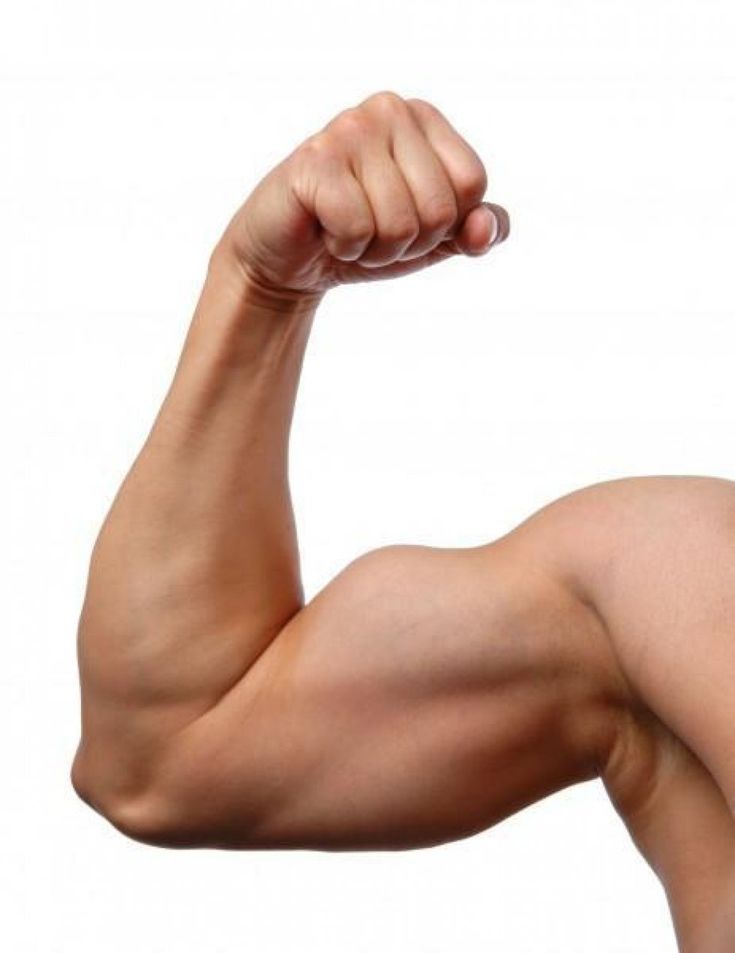
When the bicep is flexed the muscle fibers bunch up and create a bulge. Keep in mind when designing the muscle that there are a lot of different ways the bicep bulge can look. For example people sometimes have shorter bicep heads so when the flex their bicep bulge will look shorter and more bunched together.

![unnamed.jpg](https://www.anatomyarchive.org/uploads/images/gallery/2025-09/scaled-1680-/NNbunnamed.jpg)### **Advanced**

<details id="bkmrk-everything-beyond-th"><summary>Everything beyond the basics</summary>

<span style="white-space: pre-wrap;">After researching about the bicep I learned something new, on top of there other jobs they also help help by pulling your shoulder blade inward and down. Witch helps the shoulder blade from just slumping forward. Another thing to note is that when you flex your bicep another muscle the </span>[brachialis](https://www.anatomyarchive.org/search?term=brachialis)<span style="white-space: pre-wrap;"> is boosting your bicep making it look bigger!</span>

</details>#### **Reference Pictures (for study only)**

<details id="bkmrk-name-the-source-%28web"><summary>got these from Google search and Pinterest</summary>

This part is collapsed at first, so that the images won't load when opening the article.  
[![7bbfc82c1ec6ebf7e8c67fbfd5c2467a.jpg](https://www.anatomyarchive.org/uploads/images/gallery/2025-09/scaled-1680-/7bbfc82c1ec6ebf7e8c67fbfd5c2467a.jpg)](https://www.anatomyarchive.org/uploads/images/gallery/2025-09/scaled-1680-/7bbfc82c1ec6ebf7e8c67fbfd5c2467a.jpg)
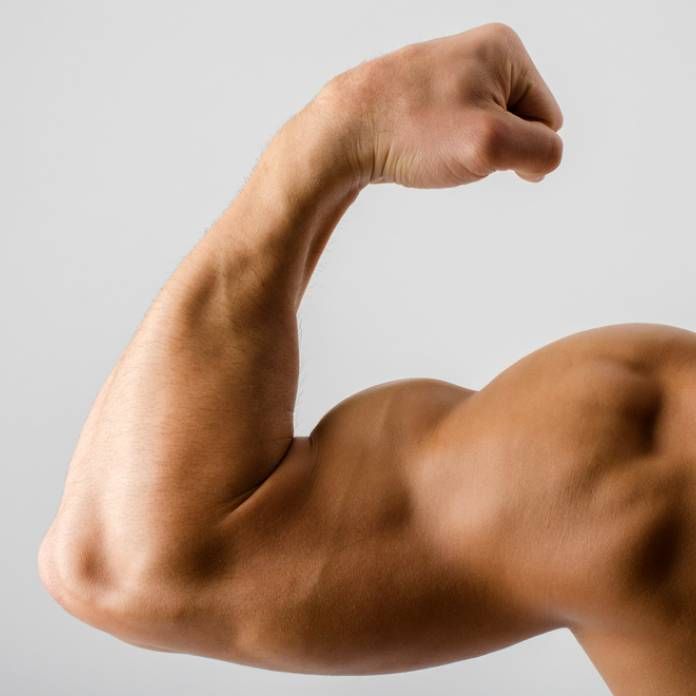
[![Main-toned-arms.jpg](https://www.anatomyarchive.org/uploads/images/gallery/2025-09/scaled-1680-/main-toned-arms.jpg)](https://www.anatomyarchive.org/uploads/images/gallery/2025-09/scaled-1680-/main-toned-arms.jpg)

[![3b9cdbd6be3cad98315ce4ca999cc8fe.jpg](https://www.anatomyarchive.org/uploads/images/gallery/2025-09/scaled-1680-/3b9cdbd6be3cad98315ce4ca999cc8fe.jpg)](https://www.anatomyarchive.org/uploads/images/gallery/2025-09/scaled-1680-/3b9cdbd6be3cad98315ce4ca999cc8fe.jpg)

[![OIP.jpg](https://www.anatomyarchive.org/uploads/images/gallery/2025-09/scaled-1680-/oip.jpg)](https://www.anatomyarchive.org/uploads/images/gallery/2025-09/scaled-1680-/oip.jpg)

[![fc60e7eeffb12dde083e144c8dd7372b.jpg](https://www.anatomyarchive.org/uploads/images/gallery/2025-09/scaled-1680-/fc60e7eeffb12dde083e144c8dd7372b.jpg)](https://www.anatomyarchive.org/uploads/images/gallery/2025-09/scaled-1680-/fc60e7eeffb12dde083e144c8dd7372b.jpg)

</details>

# Brachialis (AGoodName)

<details id="bkmrk-this-line-will-be-vi"><summary>Preview:</summary>

The brachialis is one of the most overlooked muscles of the arm, just because its mostly covered by the bicep. The brachialis has one of the most important jobs, it flexes the arm!

</details>**Synonyms: Brachialis muscle; Humerus flexors; Musculus brachialis**

---

### **Summary**

<span style="white-space: pre-wrap;">The </span>**Brachialis**<span style="white-space: pre-wrap;"> is like the </span>**middle sibling of the arm**<span style="white-space: pre-wrap;"> its covered up and forgotten. The brachialis is located below the </span>[bicep](https://www.anatomyarchive.org/search?term=Bicep)<span style="white-space: pre-wrap;">. One of its main functions is </span>**flexing the elbow**. For example when ever you itch your neck that's your Brachialis at work!

[![unnamed.jpg](https://www.anatomyarchive.org/uploads/images/gallery/2025-10/scaled-1680-/vFLunnamed.jpg)](https://www.anatomyarchive.org/uploads/images/gallery/2025-10/scaled-1680-/vFLunnamed.jpg)

#### **Origin**

<span style="white-space: pre-wrap;">The brachialis </span>**originates**<span style="white-space: pre-wrap;"> from the </span>**anterior surface of the humerus**<span style="white-space: pre-wrap;"> or in other words just above the half way point of the humerus.</span>

#### **Insertion**

The brachialis **inserts**<span style="white-space: pre-wrap;"> on the </span>**tuberosity of the ulna**. A way to remember the brachialis starts a little more above the half way point of the humerus.

[![unnamed.jpg](https://www.anatomyarchive.org/uploads/images/gallery/2025-10/scaled-1680-/unnamed.jpg)](https://www.anatomyarchive.org/uploads/images/gallery/2025-10/scaled-1680-/unnamed.jpg)

#### **Functions**

<span style="white-space: pre-wrap;">Its main purpose is </span>**flexing the elbow when your arm is in a pronated**<span style="white-space: pre-wrap;"> position.</span>

**Pronated arm: Inward rotation of the arm -&gt; the thumb points inwards, and the back of the hand faces forward**

#### **How to draw the muscle**

<span style="white-space: pre-wrap;">The </span>[bicep](https://www.anatomyarchive.org/search?term=Bicep)<span style="white-space: pre-wrap;"> </span>**covers the brachialis** so you can only see it from the side.

[![unnamed.jpg](https://www.anatomyarchive.org/uploads/images/gallery/2025-10/scaled-1680-/mN4unnamed.jpg)](https://www.anatomyarchive.org/uploads/images/gallery/2025-10/scaled-1680-/mN4unnamed.jpg)

### **Advanced**

<details id="bkmrk-everything-beyond-th"><summary>Everything beyond the basics</summary>

<span style="white-space: pre-wrap;">Something to note, the brachialis works regardless if the arm is supinated or pronated, making it a super flexor. Because the </span>[bicep](https://www.anatomyarchive.org/search?term=Bicep)<span style="white-space: pre-wrap;"> is the star, when ever the arm is pronated the </span>[bicep](https://www.anatomyarchive.org/search?term=Bicep)<span style="white-space: pre-wrap;"> will force the brachialis to do most of flexing.</span>

</details>#### **Reference Pictures (for study only)**

<details id="bkmrk-name-the-source-%28web"><summary>From Herculesbodybulding.com; Pinterest</summary>

Herculesbodybulding.com; Pinterest[![Arnold-Arms-Workout-1024x682.webp](https://www.anatomyarchive.org/uploads/images/gallery/2025-10/scaled-1680-/arnold-arms-workout-1024x682.webp)](https://www.anatomyarchive.org/uploads/images/gallery/2025-10/scaled-1680-/arnold-arms-workout-1024x682.webp)<span style="white-space: pre-wrap;"></span>

[![comment-avoir-veine-biceps-bras.jpg](https://www.anatomyarchive.org/uploads/images/gallery/2025-10/scaled-1680-/comment-avoir-veine-biceps-bras.jpg)](https://www.anatomyarchive.org/uploads/images/gallery/2025-10/scaled-1680-/comment-avoir-veine-biceps-bras.jpg)

[![Top Exercises Big Arms.png](https://www.anatomyarchive.org/uploads/images/gallery/2025-10/scaled-1680-/top-exercises-big-arms.png)](https://www.anatomyarchive.org/uploads/images/gallery/2025-10/scaled-1680-/top-exercises-big-arms.png)
[![1000_F_70043598_cRPLBVK83lZb0gk1bHJlr02luzGA3mqW.jpg](https://www.anatomyarchive.org/uploads/images/gallery/2025-10/scaled-1680-/1000-f-70043598-crplbvk83lzb0gk1bhjlr02luzga3mqw.jpg)](https://www.anatomyarchive.org/uploads/images/gallery/2025-10/scaled-1680-/1000-f-70043598-crplbvk83lzb0gk1bhjlr02luzga3mqw.jpg)
[![fc60e7eeffb12dde083e144c8dd7372b.jpg](https://www.anatomyarchive.org/uploads/images/gallery/2025-09/scaled-1680-/fc60e7eeffb12dde083e144c8dd7372b.jpg)](https://www.anatomyarchive.org/uploads/images/gallery/2025-09/scaled-1680-/fc60e7eeffb12dde083e144c8dd7372b.jpg)

</details>

# Bones

**(in alpha testing)**