# Whole Body Parts

*for example: arm, leg, finger, nose*

# Hand (Jassim)

<details id="bkmrk-this-line-will-be-vi"><summary>Preview:</summary>

A study about the proportions, shapes, and range of motion of the human hand, by Jassim.

</details>**Synonyms: Hand Anatomy; Manus; Fingers; Palm; Phalanges; Knuckles; Hands**

---

### **Summary**

<span style="white-space: pre-wrap;">The hands are two intricate and multi-fingered body parts located at the end of the arms, both in humans and primates. </span>

#### **Basics**

<span style="white-space: pre-wrap;">In humans, the hands are made up of a broad palm (metacarpus) and five digits. The hand is attached to the arm with a joint called the wrist (carpus). </span>

While human hands are designed for things such as carrying things, grabbing, pushing, hitting, tapping or petting; they also play an important function in communication: body language, sign language, calculation, symbolic gestures, communicating affection, etc. As such, they are great tools in art as well: the human hands can convey moods, emotions, and even information about a characters' backgrounds and personality.

[![Hand1.png](https://www.anatomyarchive.org/uploads/images/gallery/2025-09/scaled-1680-/sans-titre-65-20250911125712-1.png)](https://www.anatomyarchive.org/uploads/images/gallery/2025-09/scaled-1680-/sans-titre-65-20250911125712-1.png)

#### **Proportions**

<span style="white-space: pre-wrap;">The human hand usually has five fingers (four fingers and a thumb). </span>

Generally speaking, the palm and the fingers are about the same length, both being 1/2 of the hand. When the fingers are spread, the thumb is in the same half as the palm.

[![Hand2.png](https://www.anatomyarchive.org/uploads/images/gallery/2025-09/scaled-1680-/sans-titre-73-20250915090337.png)](https://www.anatomyarchive.org/uploads/images/gallery/2025-09/scaled-1680-/sans-titre-73-20250915090337.png)

The hand is mainly made of bones, 14 of which are the phalanges that each finger is divided into, going from longest at the base of the fingers to shortest at the tips: these are the proximal phalanges, the middle phalanges, and the distal phalanges. Note that the thumb doesn't have a middle phalange.

(The palm covers part of the proximal phalanges, but we can see them at the back of the hands where the knuckles are.)

<span style="white-space: pre-wrap;">The fingers are not cylinders: drawing them as such can make the fingers look uncanny. Instead, remember that the fingers have curves and bumps. It is encouraged to look at many different references to truly see the differences between each individual's hand, as this can also be good for character design. </span>

#### **Shapes**

[![Hand3.png](https://www.anatomyarchive.org/uploads/images/gallery/2025-09/scaled-1680-/sans-titre-73-20250915090526.png)](https://www.anatomyarchive.org/uploads/images/gallery/2025-09/scaled-1680-/sans-titre-73-20250915090526.png)

Although it doesn't always seem like it, the knuckles form a curve together. A good way to remember this is to picture the palm as a pentagon and place the fingers on top of it: they naturally curve, from the base to the tips, with the middle finger being the tallest one.

The knuckles forming a curve is also relevant for drawing a fist, and it is also convenient to remember that each base knuckle has its own shape. The middle finger's knuckle is typically the tallest and sharpest, similar to a triangle. The ring finger's knuckle is less sharp and more rounded, and the two other knuckles (pinky and index) are flatter, like squares or rectangles.

### **Advanced**

<details id="bkmrk-everything-beyond-th"><summary>Beyond the basics</summary>

#### **Range of movement**

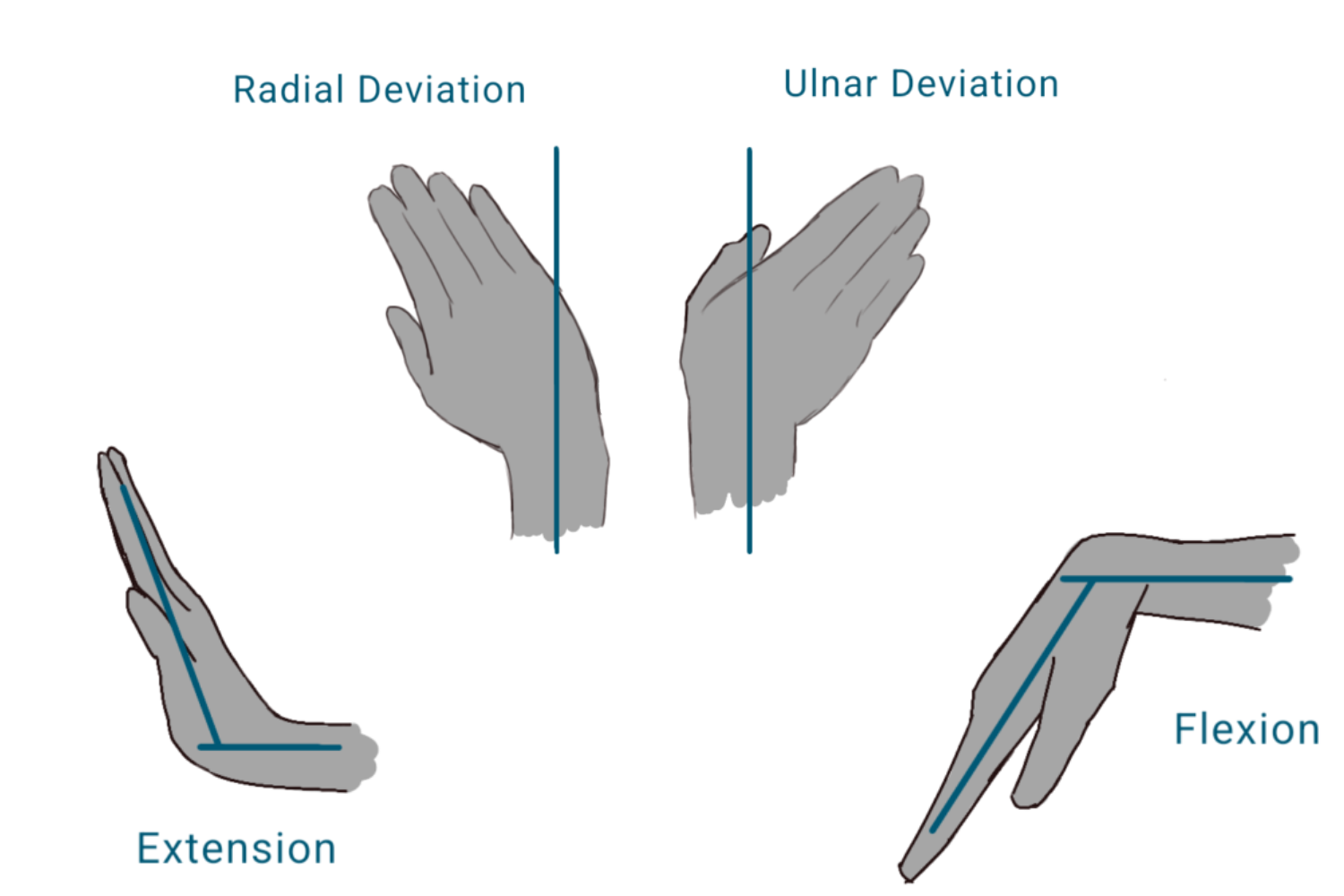
Typically, the hands can lean on each side at about 40°; this varies wildly depending on each individual, some having particularly flexible wrists while others have particularly stiff wrists.

(Note that the range of motion for the extension and flexion in this picture is implying the hand is not using anything to push the hand further: if the hand is pushing against something, the angle can be about 90°.)

[![Hand4.png](https://www.anatomyarchive.org/uploads/images/gallery/2025-09/scaled-1680-/sans-titre-72-20250911133705-1.png)](https://www.anatomyarchive.org/uploads/images/gallery/2025-09/scaled-1680-/sans-titre-72-20250911133705-1.png)
#### **Other things to remember**

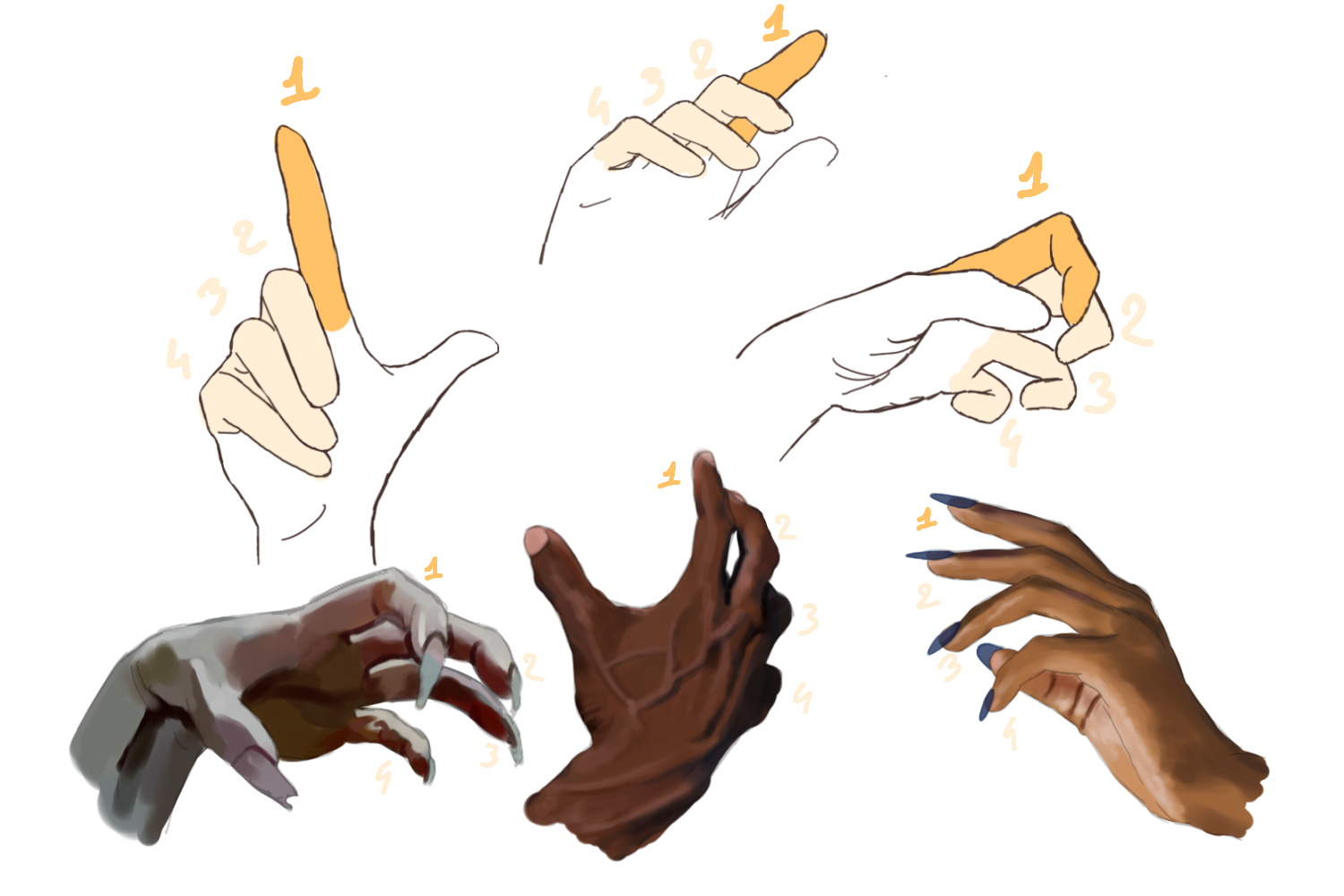
\- The fingers are all connected and the way they move tends to creates a somewhat predictable, harmonious curve. The index finger tends to lead, and the other fingers follow one at a time, even when the fingers are separate. The fingers seem to flow together.

[![Hand5.png](https://www.anatomyarchive.org/uploads/images/gallery/2025-09/scaled-1680-/sans-titre-70-20250911133540-1.png)](https://www.anatomyarchive.org/uploads/images/gallery/2025-09/scaled-1680-/sans-titre-70-20250911133540-1.png)
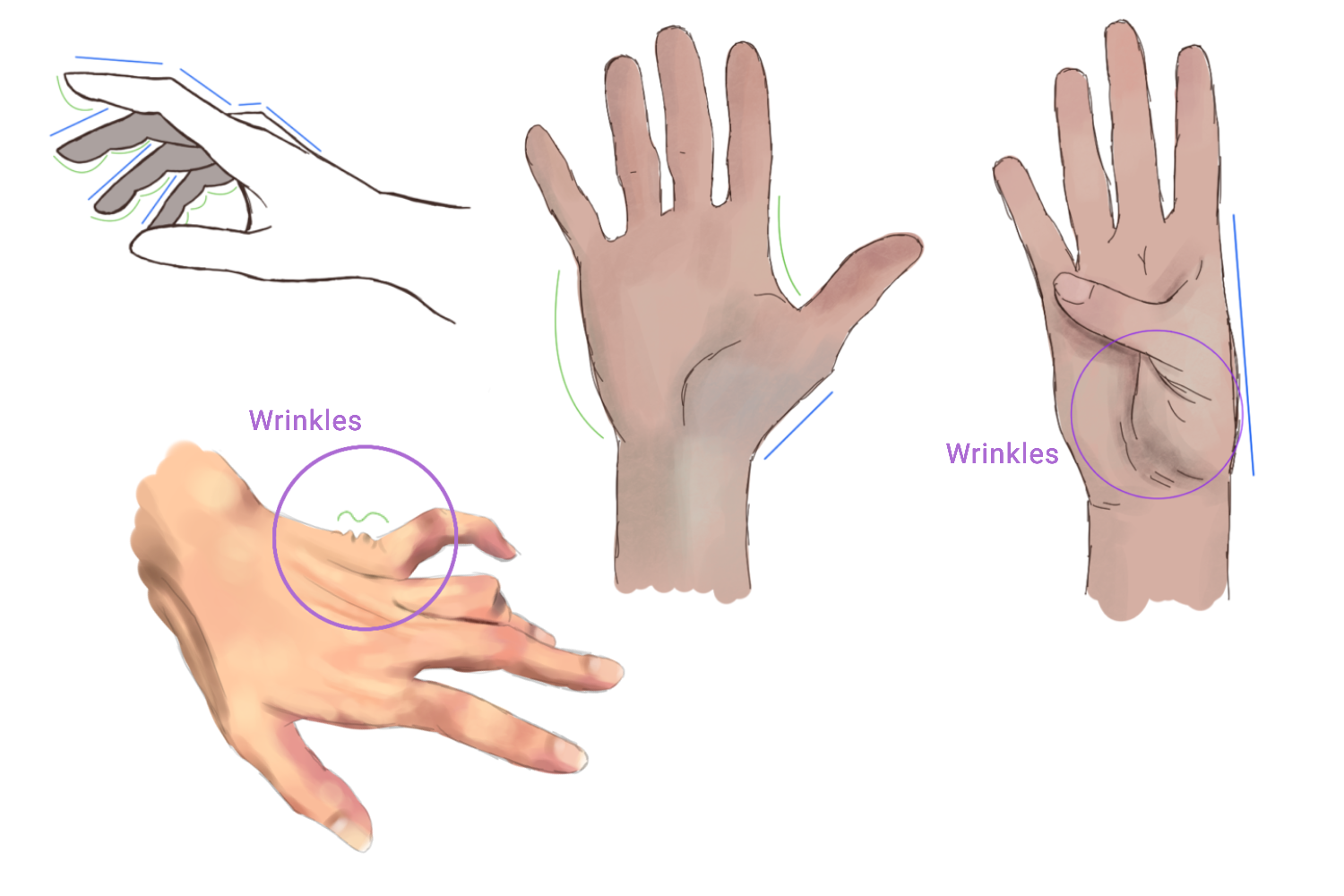
\- To allow movement, the skin on the hands is designed to be able to fold and stretch. Such movement creates folds in the skin, both in young and old individuals.

[![Hand6.png](https://www.anatomyarchive.org/uploads/images/gallery/2025-09/scaled-1680-/sans-titre-70-20250911132849-1.png)](https://www.anatomyarchive.org/uploads/images/gallery/2025-09/scaled-1680-/sans-titre-70-20250911132849-1.png)
</details>#### **Reference Pictures (for study only)**

<details id="bkmrk-name-the-source-%28web"><summary>From Wikimedia, Reference.Pictures</summary>

[![Reference-Pictures_Hands_M-055 copy.webp](https://www.anatomyarchive.org/uploads/images/gallery/2025-09/scaled-1680-/reference-pictures-hands-m-055-copy.webp)](https://www.anatomyarchive.org/uploads/images/gallery/2025-09/reference-pictures-hands-m-055-copy.webp)

**credit to:** [**Reference.Pictures**](https://reference.pictures/)

[![Reference-Pictures_Hands-4197 copy.webp](https://www.anatomyarchive.org/uploads/images/gallery/2025-09/scaled-1680-/reference-pictures-hands-4197-copy.webp)](https://www.anatomyarchive.org/uploads/images/gallery/2025-09/scaled-1680-/reference-pictures-hands-4197-copy.webp)
**credit to:** [**Reference.Pictures**](https://reference.pictures/)

[![Reference-Pictures_Hands-4174 copy.webp](https://www.anatomyarchive.org/uploads/images/gallery/2025-09/scaled-1680-/reference-pictures-hands-4174-copy.webp)](https://www.anatomyarchive.org/uploads/images/gallery/2025-09/scaled-1680-/reference-pictures-hands-4174-copy.webp)
**credit to:** [**Reference.Pictures**](https://reference.pictures/)

[![Hand_washing.jpg](https://www.anatomyarchive.org/uploads/images/gallery/2025-09/scaled-1680-/hand-washing.jpg)](https://www.anatomyarchive.org/uploads/images/gallery/2025-09/scaled-1680-/the-magician-unsplash.jpg)
[![Reference-Pictures_Hands_N-047 copy.webp](https://www.anatomyarchive.org/uploads/images/gallery/2025-09/scaled-1680-/reference-pictures-hands-n-047-copy.webp)](https://www.anatomyarchive.org/uploads/images/gallery/2025-09/reference-pictures-hands-n-047-copy.webp)
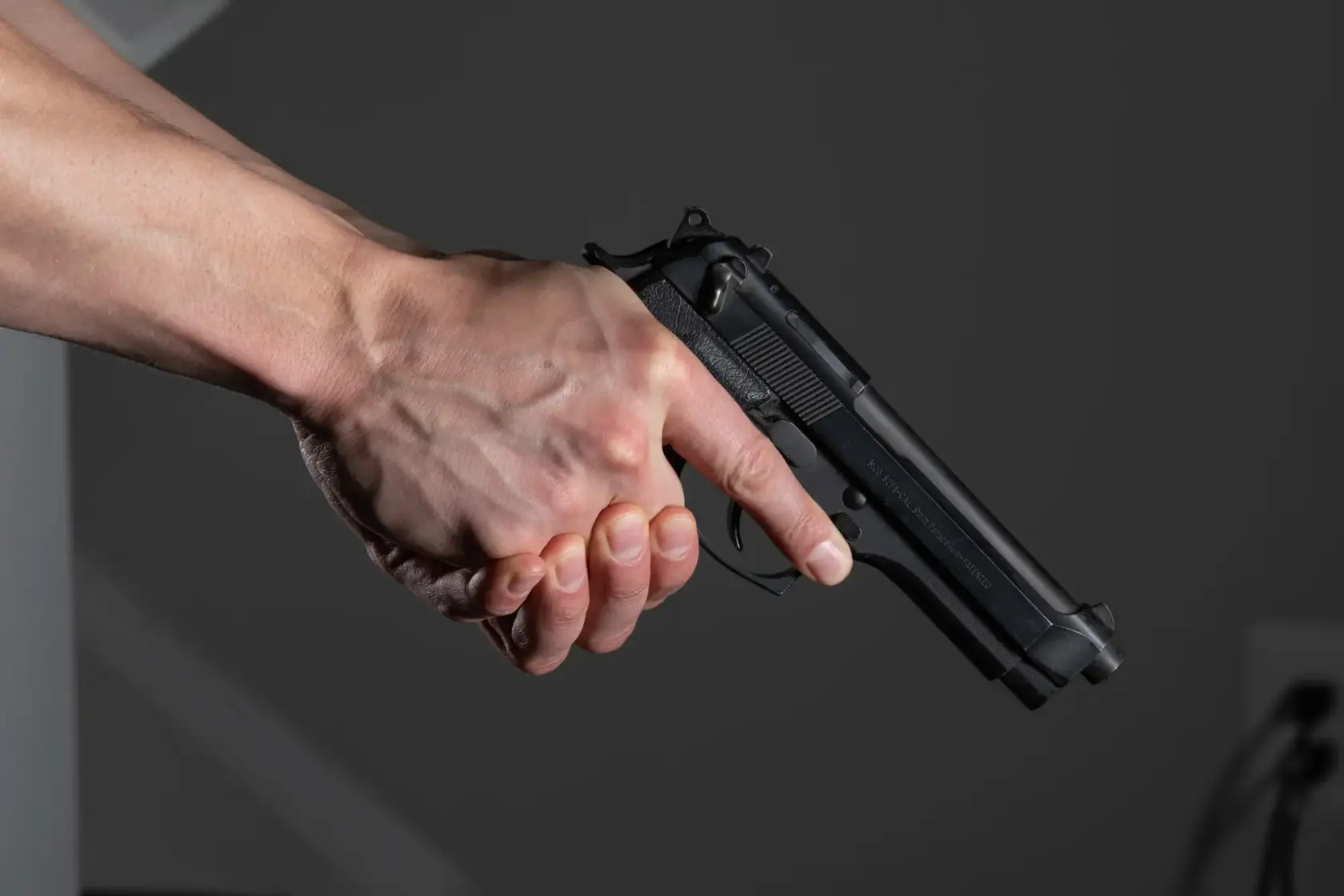
**credit to:** [**Reference.Pictures**](https://reference.pictures/)

[![Reference-Pictures_Hands-4168 copy.webp](https://www.anatomyarchive.org/uploads/images/gallery/2025-09/scaled-1680-/reference-pictures-hands-4168-copy.webp)](https://www.anatomyarchive.org/uploads/images/gallery/2025-09/scaled-1680-/reference-pictures-hands-4168-copy.webp)
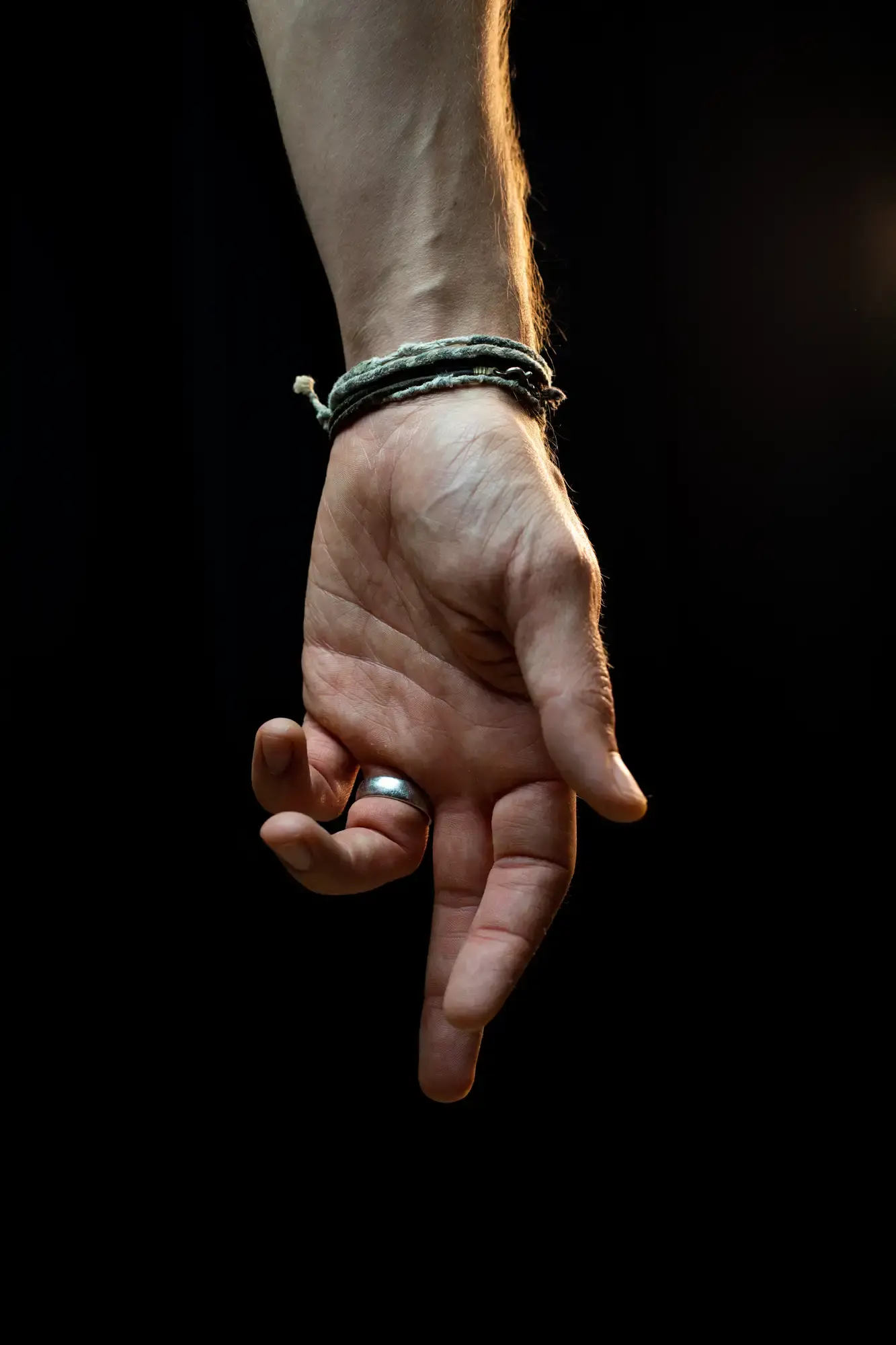
**credit to:** [**Reference.Pictures**](https://reference.pictures/)

[![Reference-Pictures_Hands_F-021 copy.webp](https://www.anatomyarchive.org/uploads/images/gallery/2025-09/scaled-1680-/reference-pictures-hands-f-021-copy.webp)](https://www.anatomyarchive.org/uploads/images/gallery/2025-09/scaled-1680-/reference-pictures-hands-f-021-copy.webp)
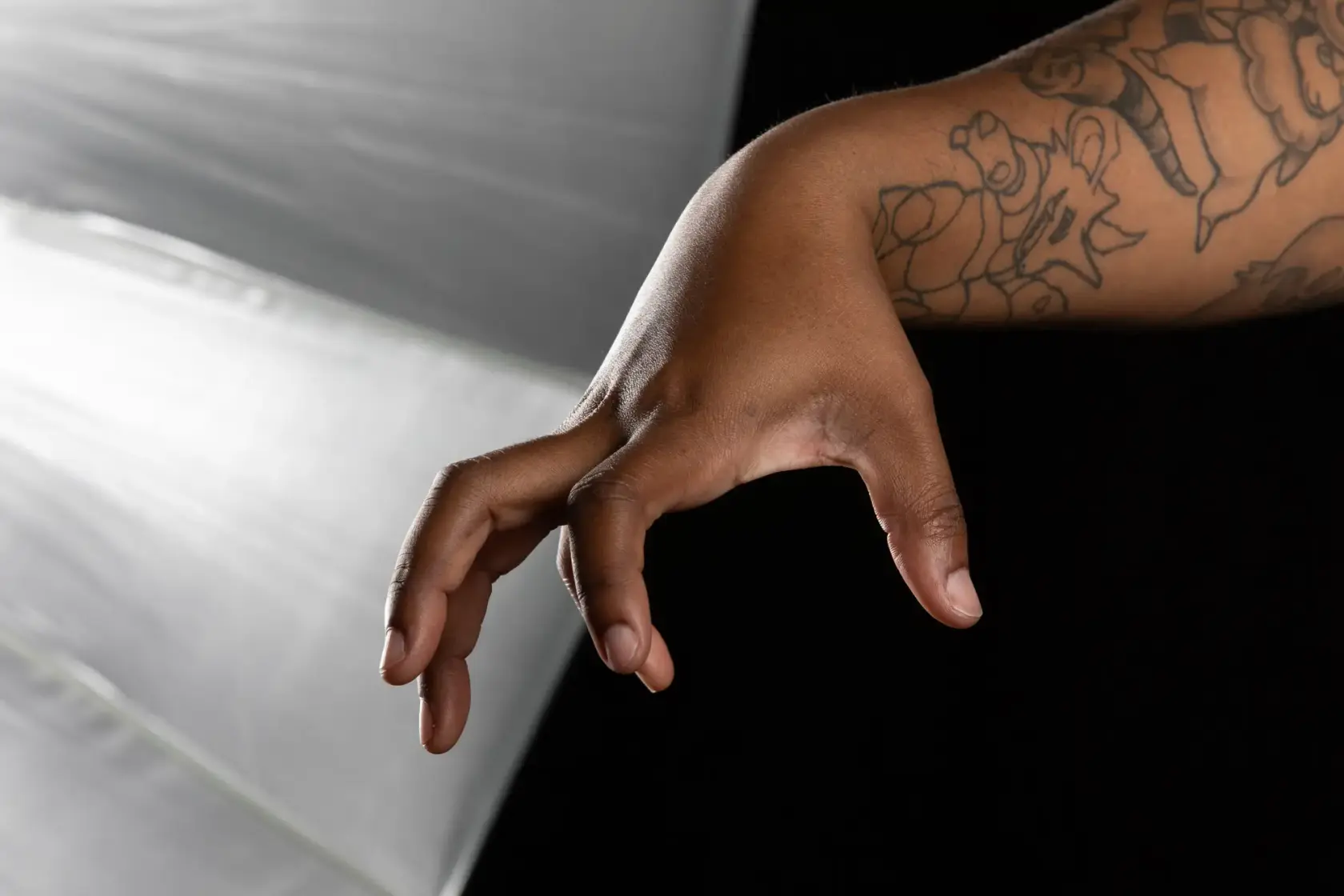
**credit to:** [**Reference.Pictures**](https://reference.pictures/)

[![Reference-Pictures_Hands-4106 copy.webp](https://www.anatomyarchive.org/uploads/images/gallery/2025-09/scaled-1680-/reference-pictures-hands-4106-copy.webp)](https://www.anatomyarchive.org/uploads/images/gallery/2025-09/scaled-1680-/reference-pictures-hands-4106-copy.webp)
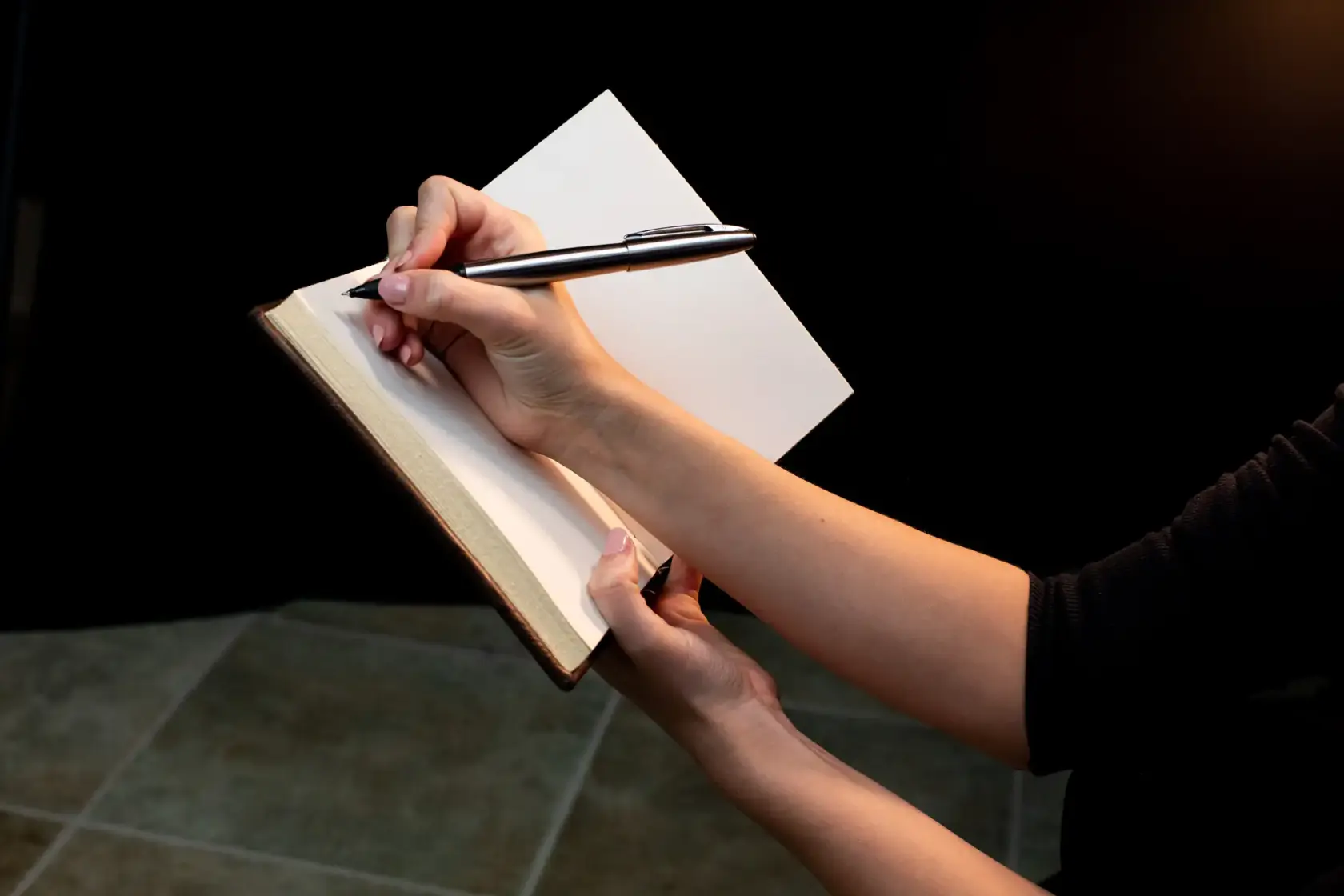
**credit to:** [**Reference.Pictures**](https://reference.pictures/)

[![Reference-Pictures_Hands-3841 copy.webp](https://www.anatomyarchive.org/uploads/images/gallery/2025-09/scaled-1680-/reference-pictures-hands-3841-copy.webp)](https://www.anatomyarchive.org/uploads/images/gallery/2025-09/scaled-1680-/reference-pictures-hands-3841-copy.webp)
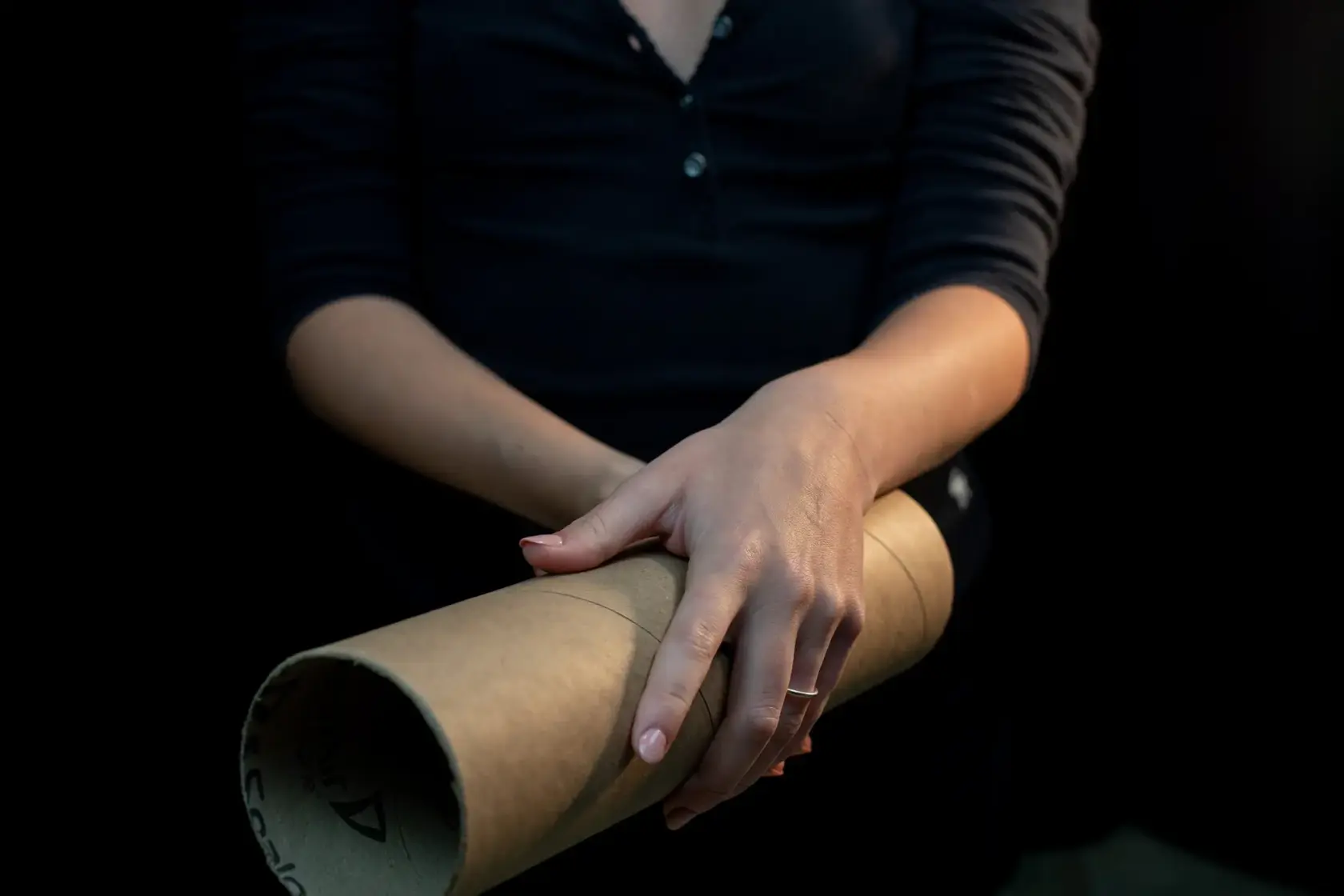
**credit to:** [**Reference.Pictures**](https://reference.pictures/)

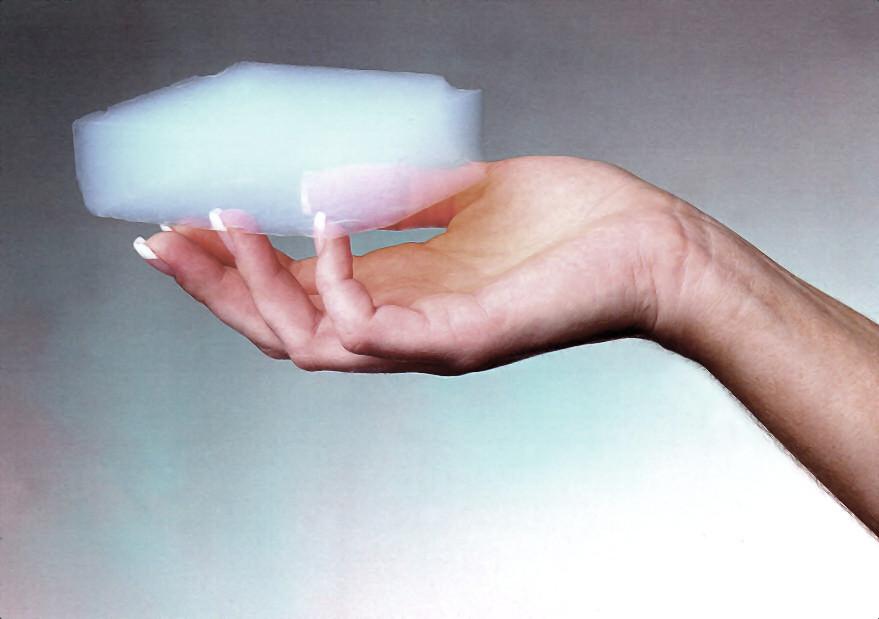
[![Aerogel_hand.jpg](https://www.anatomyarchive.org/uploads/images/gallery/2025-09/scaled-1680-/aerogel-hand.jpg)](https://www.anatomyarchive.org/uploads/images/gallery/2025-09/scaled-1680-/aerogel-hand.jpg)
[![Reference-Pictures_Hands_C-092 copy.webp](https://www.anatomyarchive.org/uploads/images/gallery/2025-09/scaled-1680-/reference-pictures-hands-c-092-copy.webp)](https://www.anatomyarchive.org/uploads/images/gallery/2025-09/scaled-1680-/reference-pictures-hands-c-092-copy.webp)
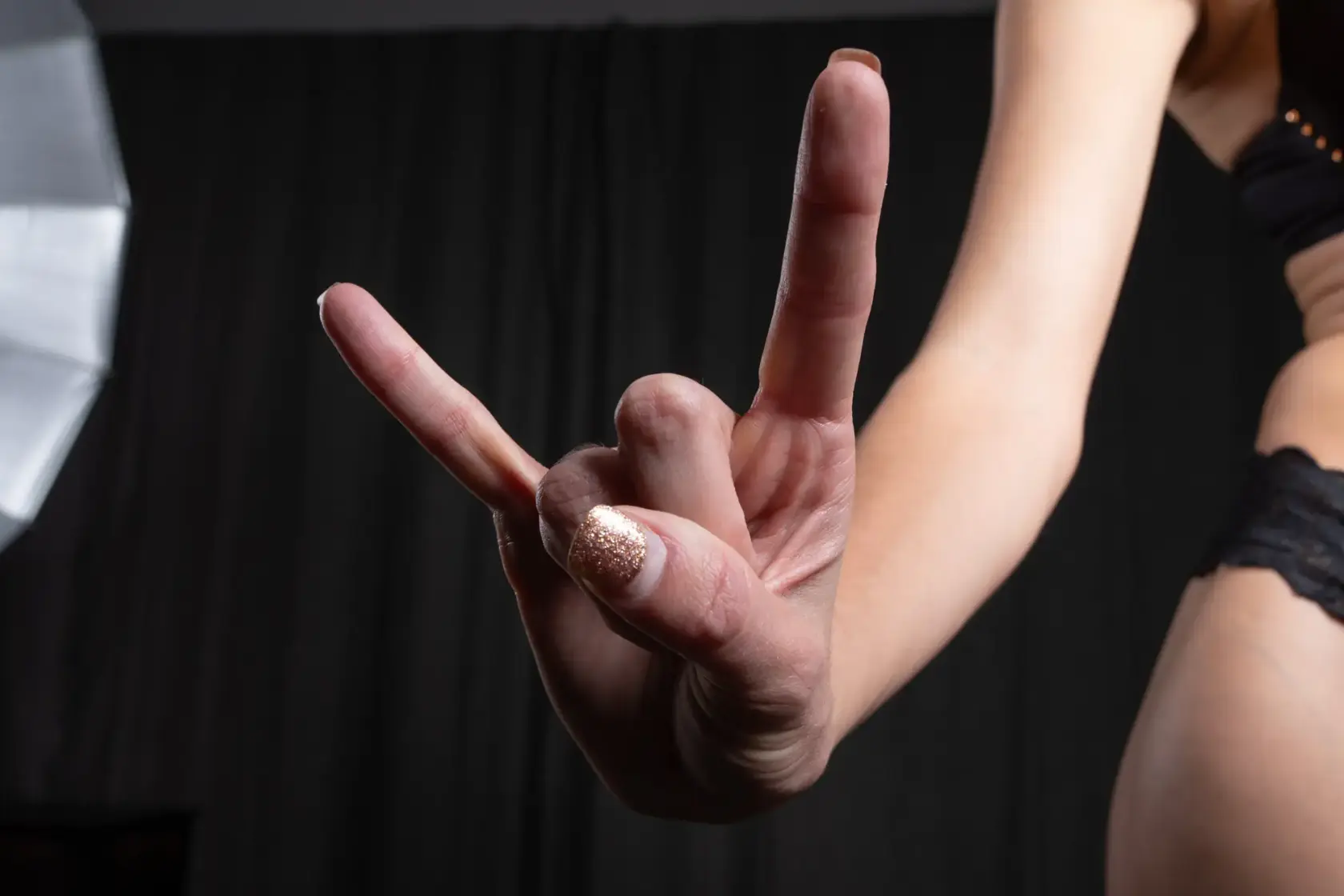
**credit to:** [**Reference.Pictures**](https://reference.pictures/)

[![Reference-Pictures_Hands_D-051 copy.webp](https://www.anatomyarchive.org/uploads/images/gallery/2025-09/scaled-1680-/reference-pictures-hands-d-051-copy.webp)](https://www.anatomyarchive.org/uploads/images/gallery/2025-09/reference-pictures-hands-d-051-copy.webp)
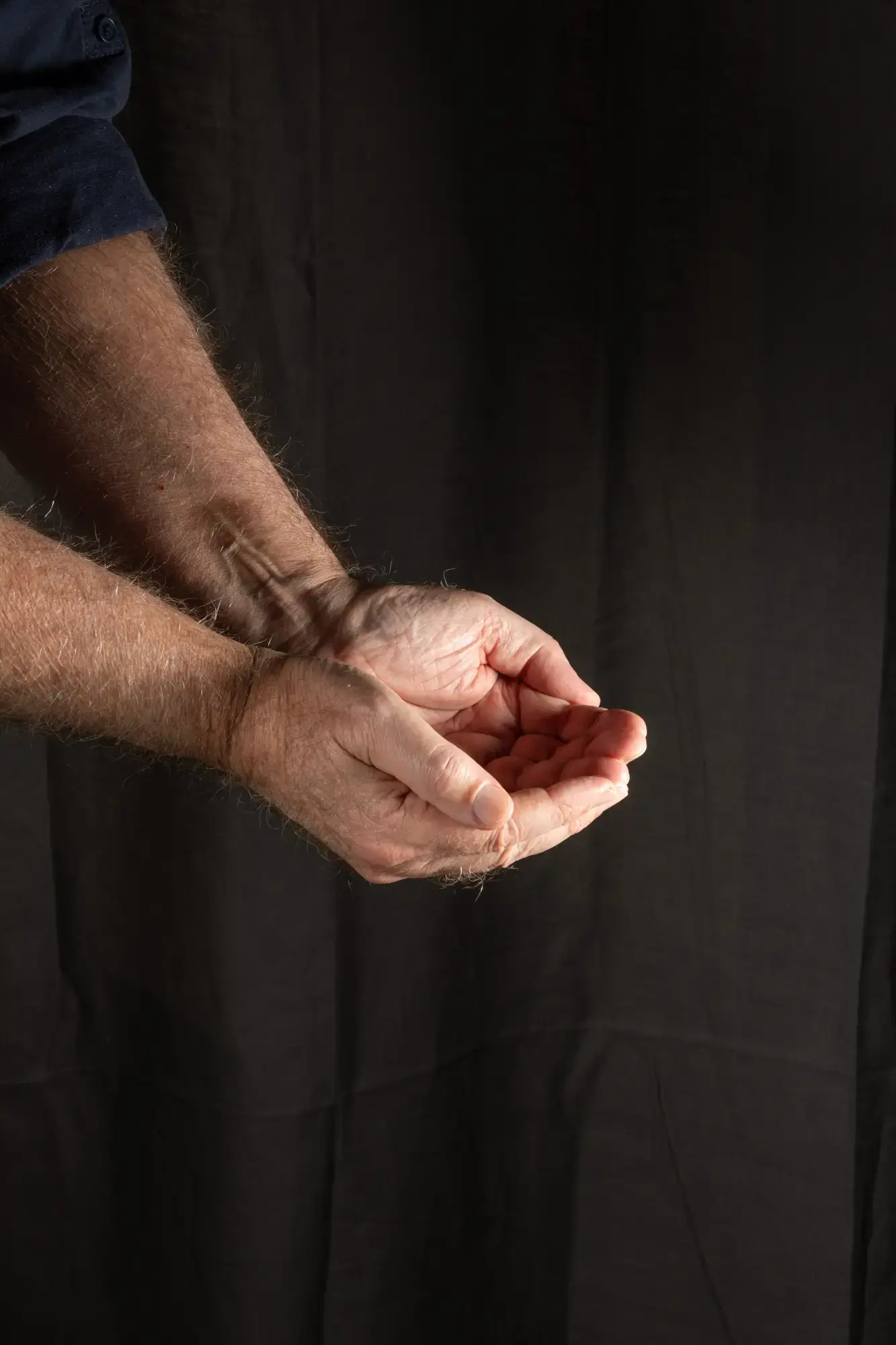
**credit to:** [**Reference.Pictures**](https://reference.pictures/)

[![Reference-Pictures_Hands_J-033 copy.webp](https://www.anatomyarchive.org/uploads/images/gallery/2025-09/scaled-1680-/reference-pictures-hands-j-033-copy.webp)](https://www.anatomyarchive.org/uploads/images/gallery/2025-09/reference-pictures-hands-j-033-copy.webp)
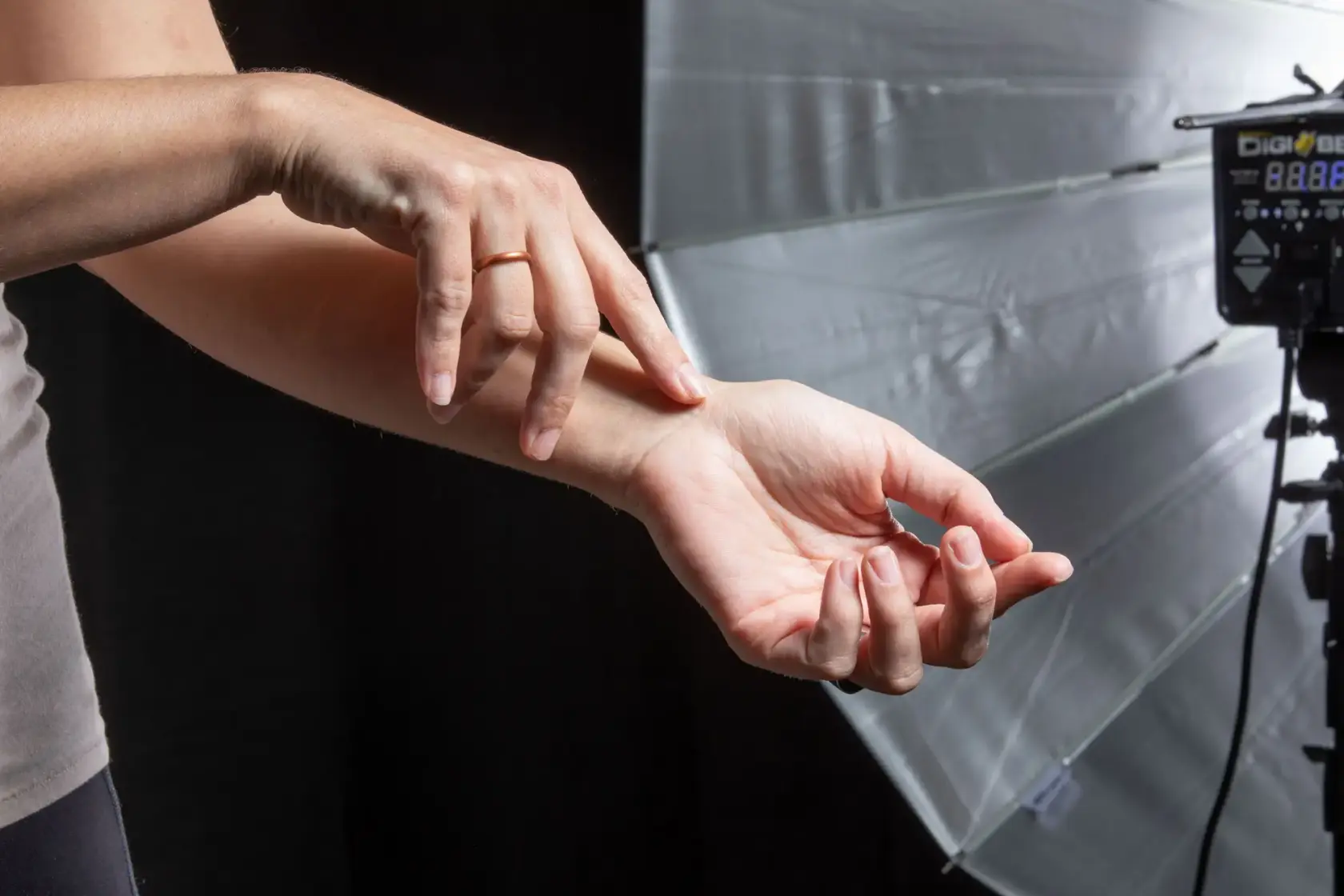
**credit to:** [**Reference.Pictures**](https://reference.pictures/)

[![Reference-Pictures_Hands_K-010 copy.webp](https://www.anatomyarchive.org/uploads/images/gallery/2025-09/scaled-1680-/reference-pictures-hands-k-010-copy.webp)](https://www.anatomyarchive.org/uploads/images/gallery/2025-09/reference-pictures-hands-k-010-copy.webp)
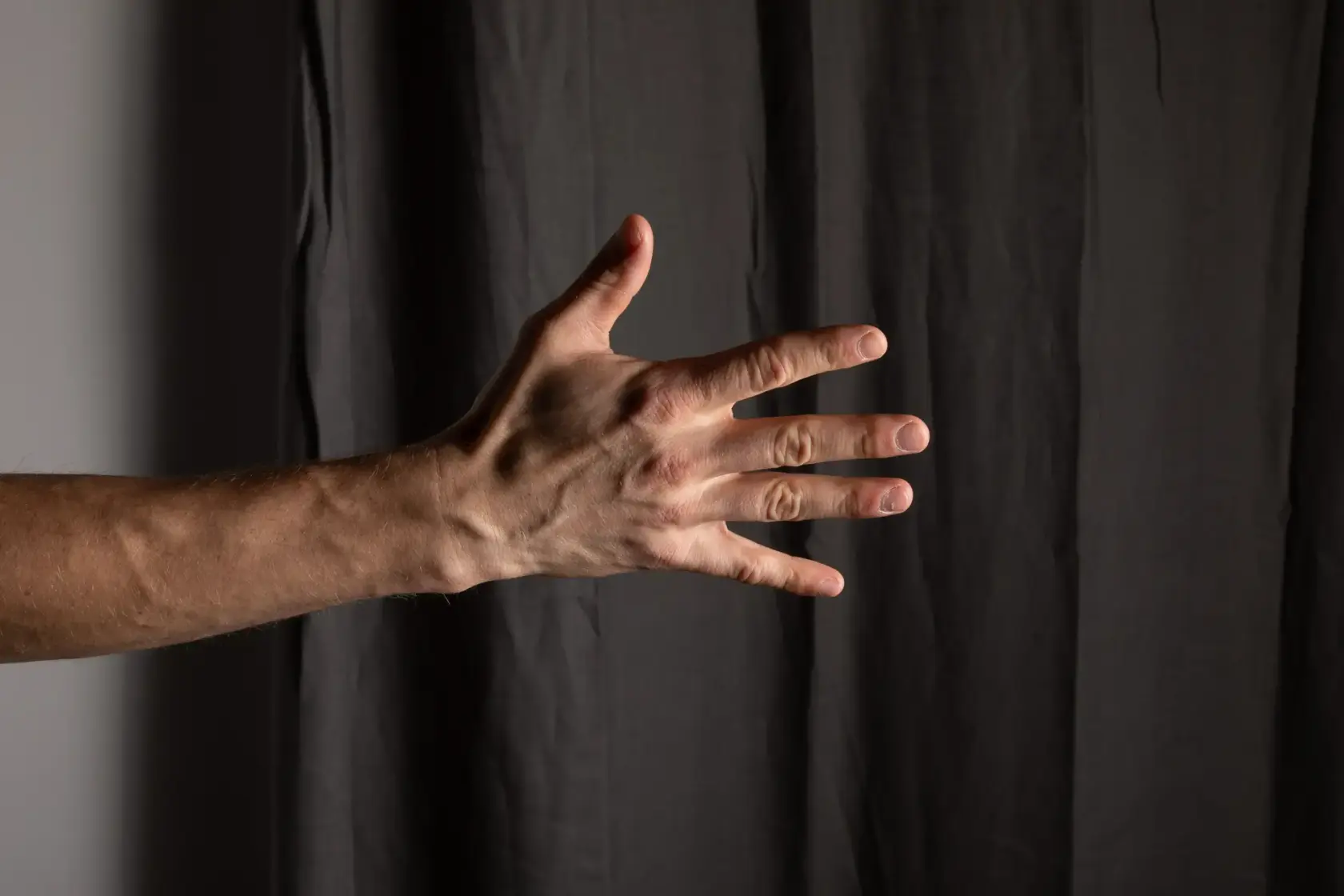
**credit to:** [**Reference.Pictures**](https://reference.pictures/)

[![Reference-Pictures_Hands_L-009 copy.webp](https://www.anatomyarchive.org/uploads/images/gallery/2025-09/scaled-1680-/reference-pictures-hands-l-009-copy.webp)](https://www.anatomyarchive.org/uploads/images/gallery/2025-09/scaled-1680-/reference-pictures-hands-l-009-copy.webp)
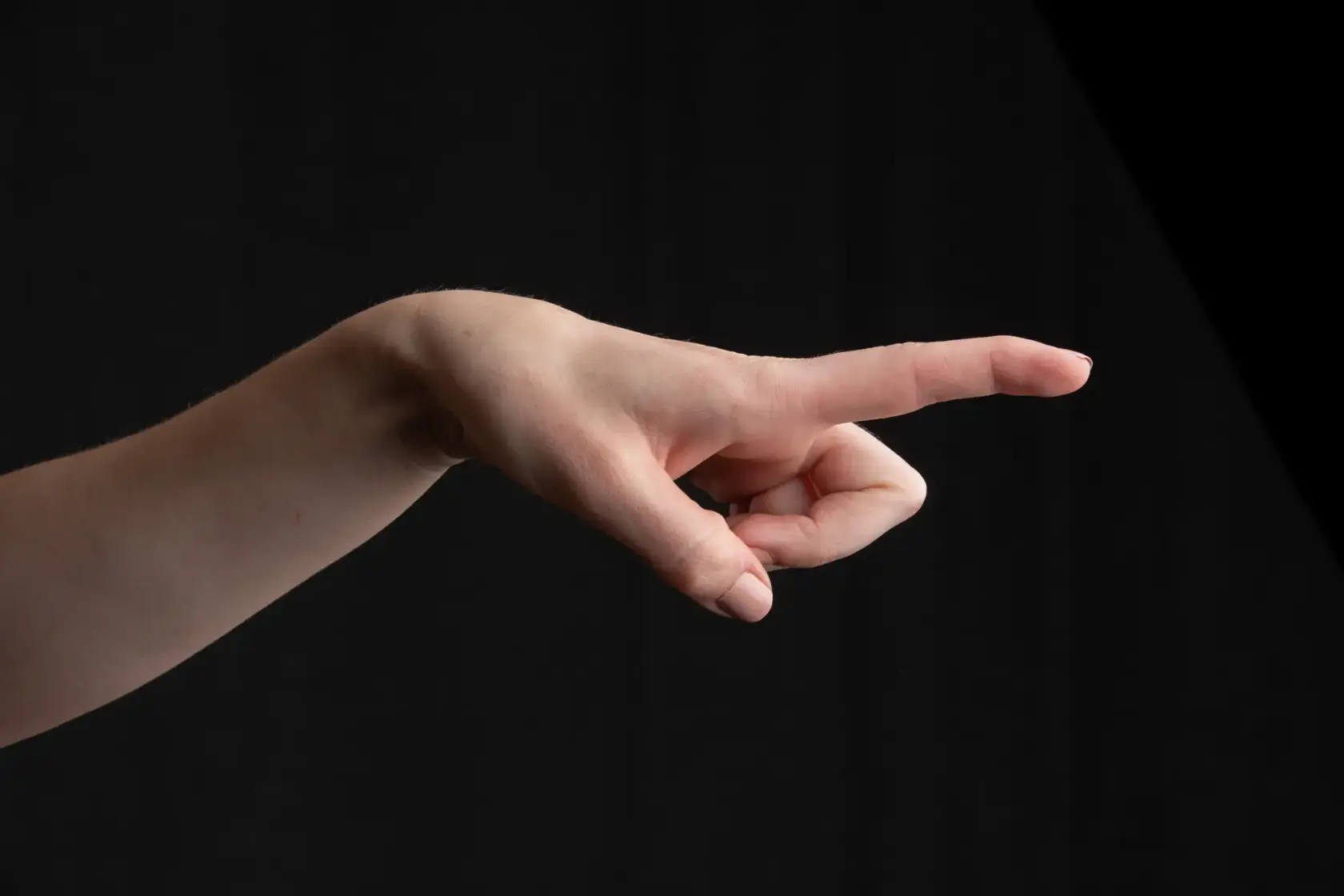
**credit to:** [**Reference.Pictures**](https://reference.pictures/)

[![Reference-Pictures_Hands-3735 copy.webp](https://www.anatomyarchive.org/uploads/images/gallery/2025-09/scaled-1680-/reference-pictures-hands-3735-copy.webp)](https://www.anatomyarchive.org/uploads/images/gallery/2025-09/scaled-1680-/reference-pictures-hands-3735-copy.webp)
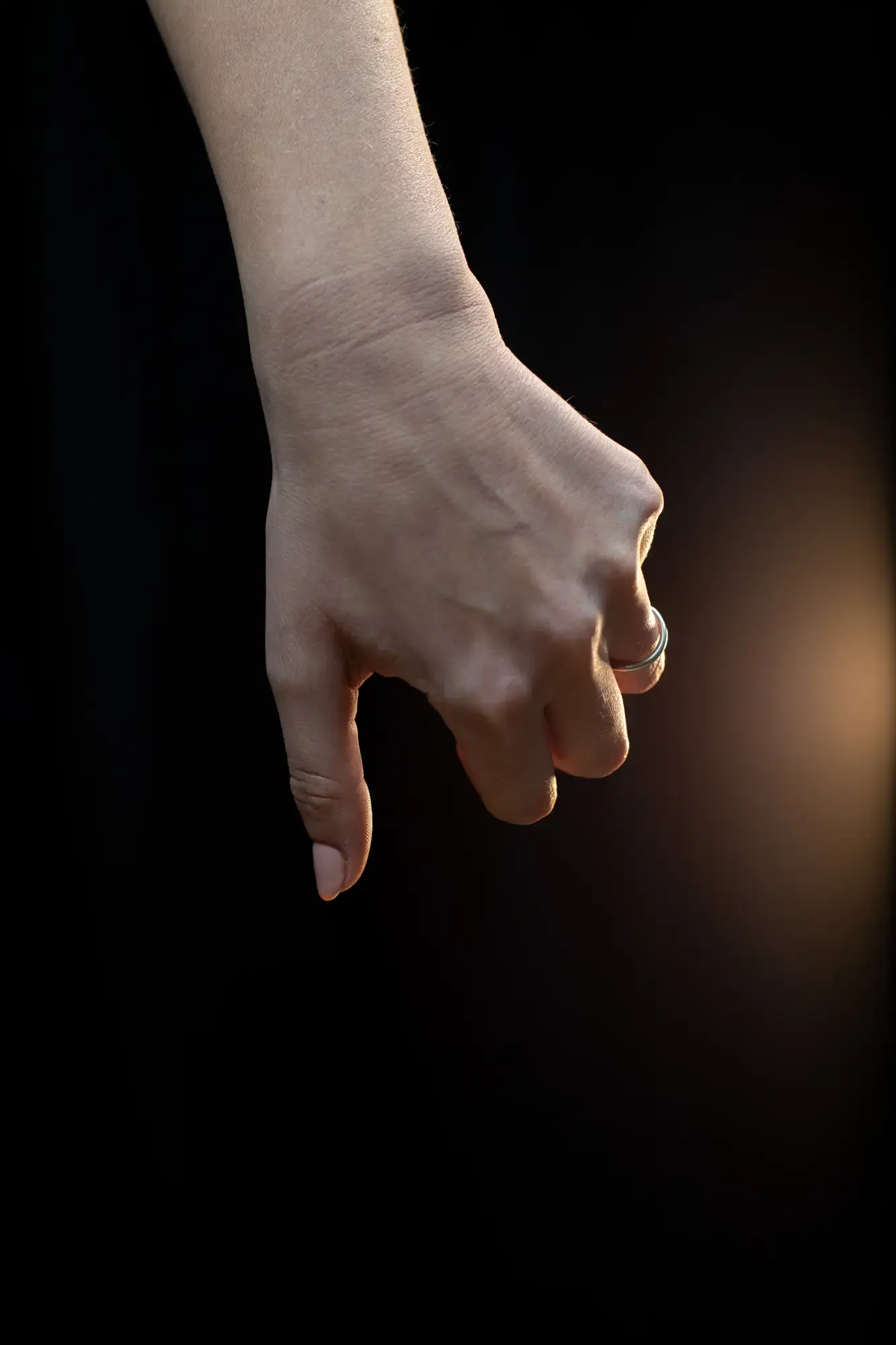
**credit to:** [**Reference.Pictures**](https://reference.pictures/)

[![Reference-Pictures_Hands_J-033 copy.webp](https://www.anatomyarchive.org/uploads/images/gallery/2025-09/scaled-1680-/jCbreference-pictures-hands-j-033-copy.webp)](https://www.anatomyarchive.org/uploads/images/gallery/2025-09/jCbreference-pictures-hands-j-033-copy.webp)
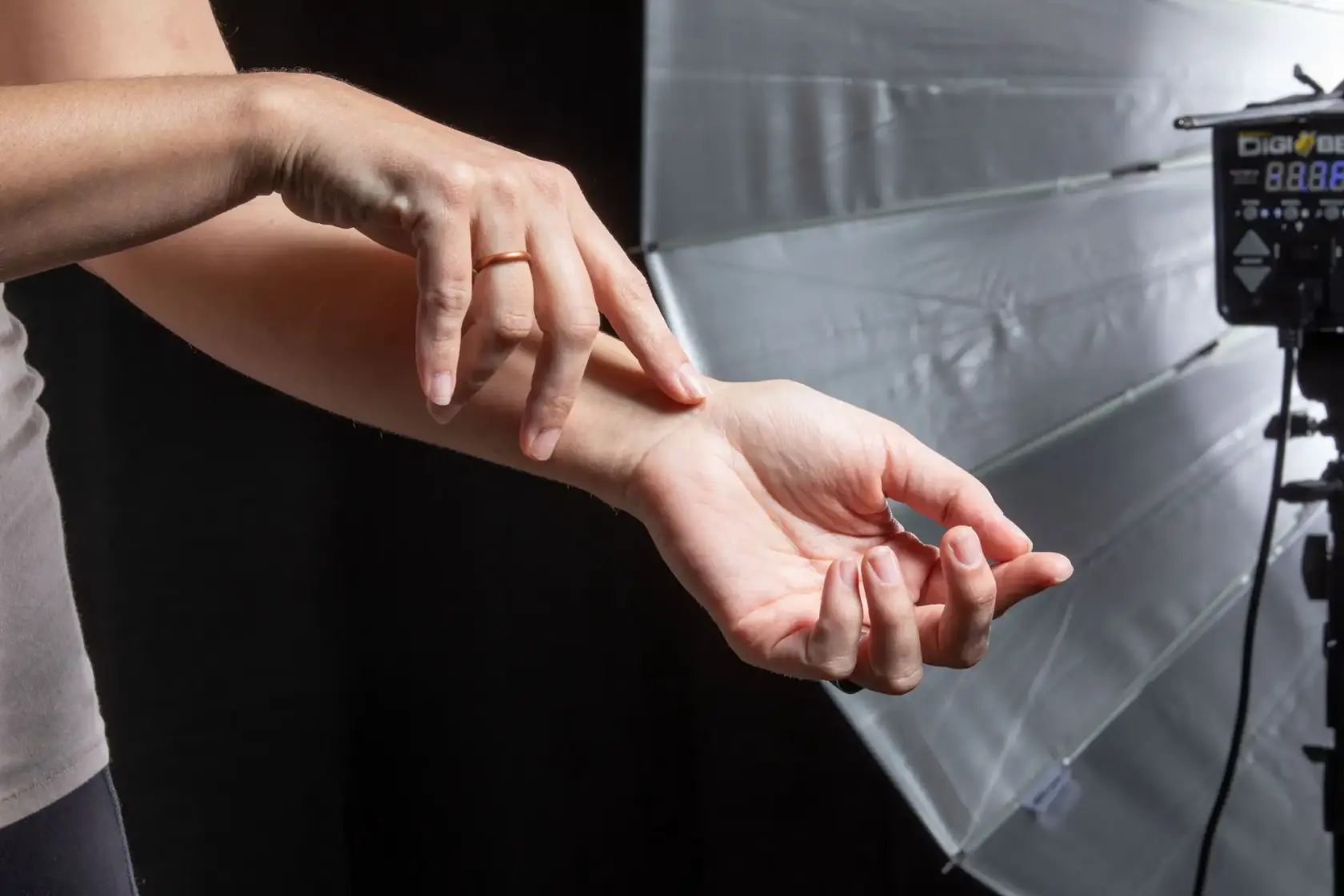
**credit to:** [**Reference.Pictures**](https://reference.pictures/)

[![Reference-Pictures_Hands_V-034 copy.webp](https://www.anatomyarchive.org/uploads/images/gallery/2025-09/scaled-1680-/reference-pictures-hands-v-034-copy.webp)](https://www.anatomyarchive.org/uploads/images/gallery/2025-09/scaled-1680-/reference-pictures-hands-v-034-copy.webp)
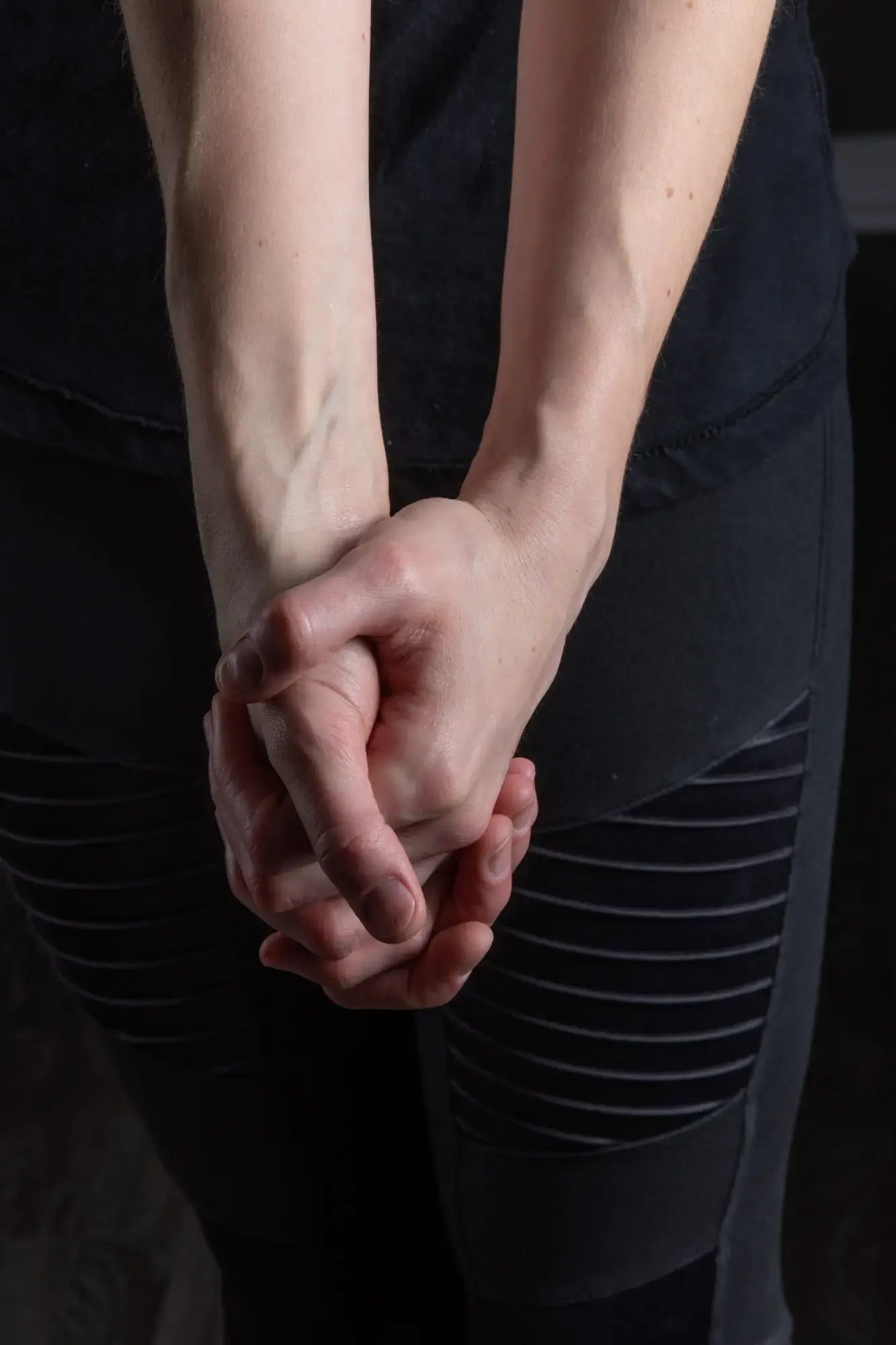
**credit to:** [**Reference.Pictures**](https://reference.pictures/)

[![Reference-Pictures_Hands-3712 copy.webp](https://www.anatomyarchive.org/uploads/images/gallery/2025-09/scaled-1680-/reference-pictures-hands-3712-copy.webp)](https://www.anatomyarchive.org/uploads/images/gallery/2025-09/scaled-1680-/reference-pictures-hands-3712-copy.webp)
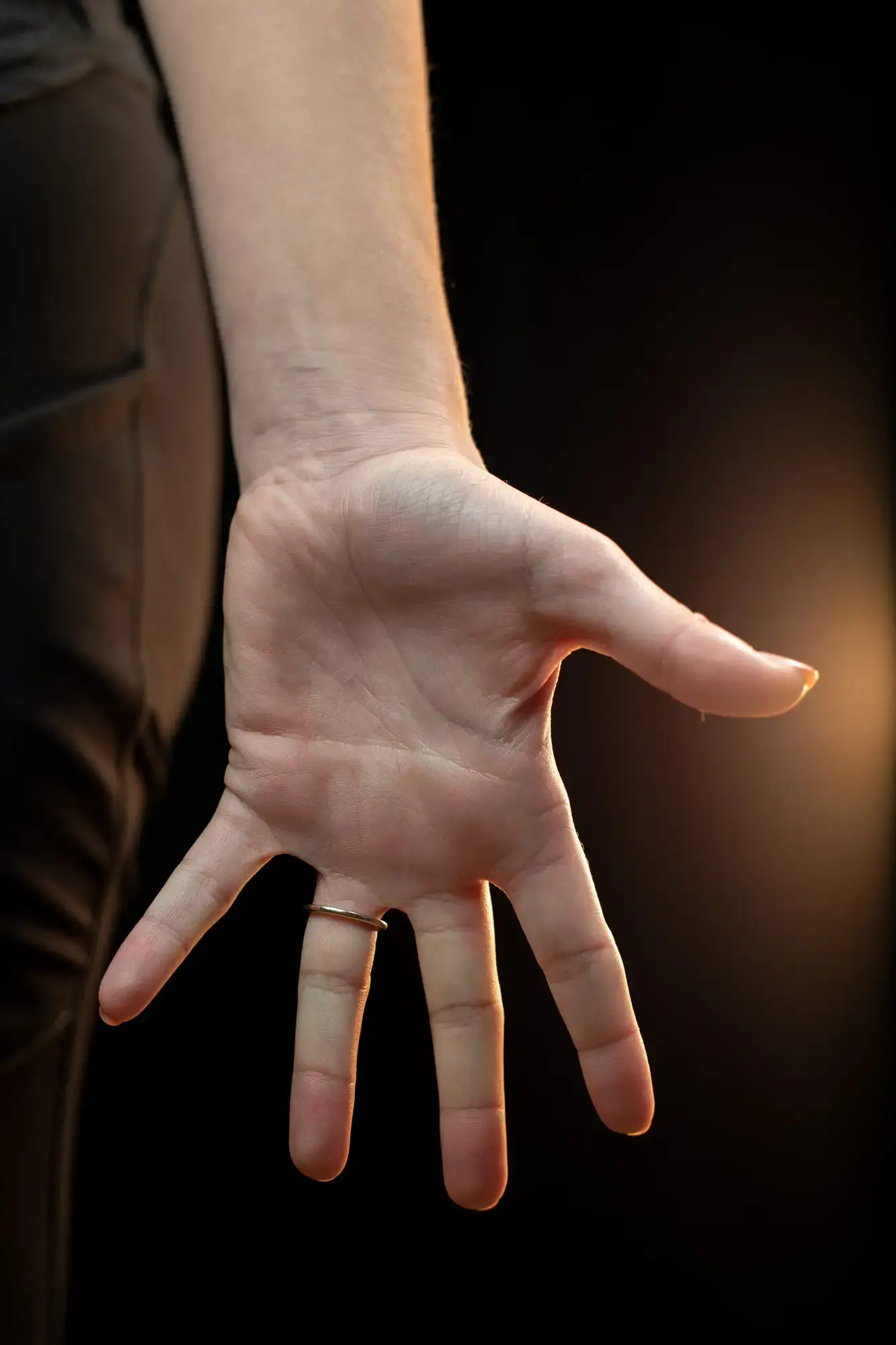
**credit to:** [**Reference.Pictures**](https://reference.pictures/)

</details>

# Arm (Permafrost)

<details id="bkmrk-this-line-will-be-vi"><summary>Preview:</summary>

Everything you need to know about the arm. This page will teach you how to draw it with ease; from the shoulder to the wrist + some additional information about important muscles and joints.

</details>**Synonyms: Brachium; Humerus; Ulna; Upper limb; Antebrachium; Bicep; Forearm; Wrist; Radius; Shoulder; Upper arm; Lower arm; Tricep; Arm anatomy**

---

### **Summary**

The Arms (Brachium) are two upper body limbs that consist of three bones, three joints, and three main muscle groups each.

#### **Basics**

The arm is made up of the humerus (upper arm), radius, and ulna bones (both bones in the forearm). Major joints include the shoulder, elbow, and wrist. These joints allow the arm to stretch and contract.

[![1000009552.png](https://www.anatomyarchive.org/uploads/images/gallery/2025-09/scaled-1680-/1000009552.png)](https://www.anatomyarchive.org/uploads/images/gallery/2025-09/scaled-1680-/1000009552.png)

#### **Functions**

The human arm allows you to grab, throw, lift, push, and pull. The bicep contracts to lift the arm towards the shoulder, while the tricep is contracted to straighten the arm.

[![17590025647434046433972731646349.jpg](https://www.anatomyarchive.org/uploads/images/gallery/2025-09/scaled-1680-/17590025647434046433972731646349.jpg)](https://www.anatomyarchive.org/uploads/images/gallery/2025-09/17590025647434046433972731646349.jpg)

**source:** [**lybrate.com**](https://www.lybrate.com/)

### **Basic Shapes**

**To build an arm there are two important and simple shapes you should use.**

- Circle (shoulders)
- Cylinders (upper and lower arm)

The circle (shoulder) serves as a sort of hinge where the upper arm can connect to the torso.

The cylinders (upper and lower arm) ensure that the arms don't look floppy since they can also serve as place holders for where the bones should be. For the lower arm, one cylinder is also enough to give the arm proper structure.

<span style="color: rgb(0, 0, 0); background-color: rgb(241, 196, 15);">Reminder:</span><span style="white-space: pre-wrap;"> These shapes can vary is size depending on the body type being drawn.</span>

[![1000009578.png](https://www.anatomyarchive.org/uploads/images/gallery/2025-09/scaled-1680-/1000009578.png)](https://www.anatomyarchive.org/uploads/images/gallery/2025-09/scaled-1680-/1000009578.png)

### **Advanced**

<details id="bkmrk-everything-beyond-th"><summary>Everything beyond the basics</summary>

#### **Joints**

<span style="white-space: pre-wrap;">Shoulder (Ball and Socket): The shoulder can move in any direction including: forward, backwards (if you're flexible enough), up, and down. This makes it the most flexible joint in the human body! It is made up of 3 different bones: The clavicle (collar bone), the scapula (shoulder blade), and the humerus (upper arm). Together, these three bones form the </span>**shoulder girdle.**

Elbow (Hinge and Pivot): The elbow is the hinge point between the upper arm and the lower arm. The elbow should also stick out of the arm for extra definition

[![1000009684.png](https://www.anatomyarchive.org/uploads/images/gallery/2025-10/scaled-1680-/1000009684.png)](https://www.anatomyarchive.org/uploads/images/gallery/2025-10/scaled-1680-/1000009684.png)
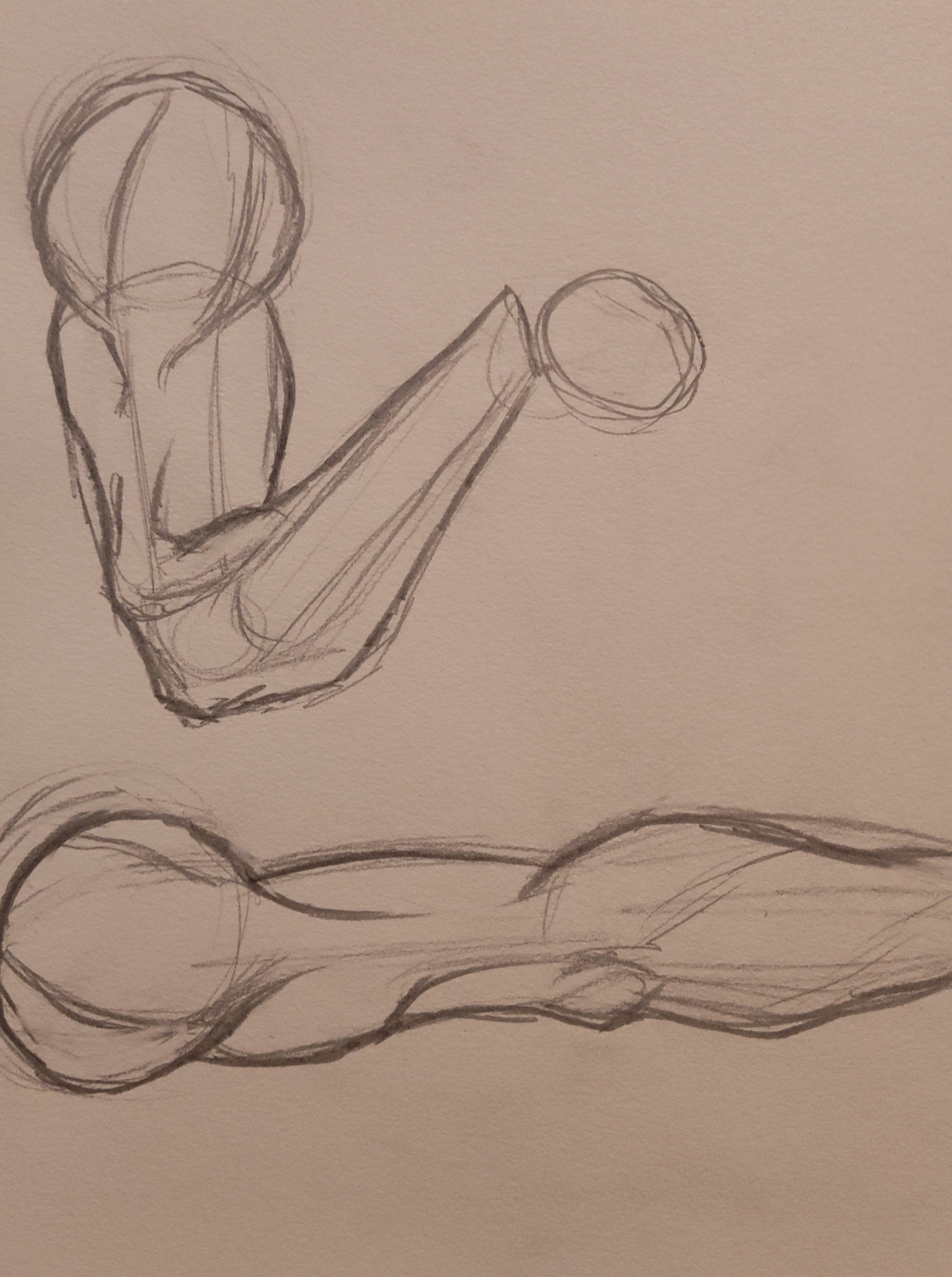
Wrist: The wrist (Carpus) is the joint between the hand and the lower arm (forearm). It allows complex motion and flexibility. The wrist is rarely in a straight position even in a resting pose. Be sure to give it atleast a slight tilt/curve when drawing it. The wrist should align with the radius bone and not with the center of the arm.

<span style="color: rgb(0, 0, 0); background-color: rgb(241, 196, 15);">Note:</span><span style="white-space: pre-wrap;"> The actual wrist does </span><u>NOT</u><span style="white-space: pre-wrap;"> twist. This motion comes from the </span><u>radius'</u><span style="white-space: pre-wrap;"> rotation under the </span><u>ulna</u><span style="white-space: pre-wrap;"> in the forearm. With that being said, most of the bending done in the wrist is moving the hand forward or backwards.</span>

</details>#### **Reference Pictures (for study only)**

  
<details id="bkmrk-refrence-pictures-%28f"><summary>Arm Reference Pictures</summary>

#### [![1000009687.jpg](https://www.anatomyarchive.org/uploads/images/gallery/2025-10/scaled-1680-/1000009687.jpg)](https://www.anatomyarchive.org/uploads/images/gallery/2025-10/scaled-1680-/1000009687.jpg)

[![1000009756.jpg](https://www.anatomyarchive.org/uploads/images/gallery/2025-10/scaled-1680-/1000009756.jpg)](https://www.anatomyarchive.org/uploads/images/gallery/2025-10/scaled-1680-/1000009756.jpg)
[![1000009759.jpg](https://www.anatomyarchive.org/uploads/images/gallery/2025-10/scaled-1680-/1000009759.jpg)](https://www.anatomyarchive.org/uploads/images/gallery/2025-10/scaled-1680-/1000009759.jpg)
[![1000009757.jpg](https://www.anatomyarchive.org/uploads/images/gallery/2025-10/scaled-1680-/1000009757.jpg)](https://www.anatomyarchive.org/uploads/images/gallery/2025-10/scaled-1680-/1000009757.jpg)
[![1000009686.jpg](https://www.anatomyarchive.org/uploads/images/gallery/2025-10/scaled-1680-/1000009686.jpg)](https://www.anatomyarchive.org/uploads/images/gallery/2025-10/scaled-1680-/1000009686.jpg)
</details>